






What's Happening?
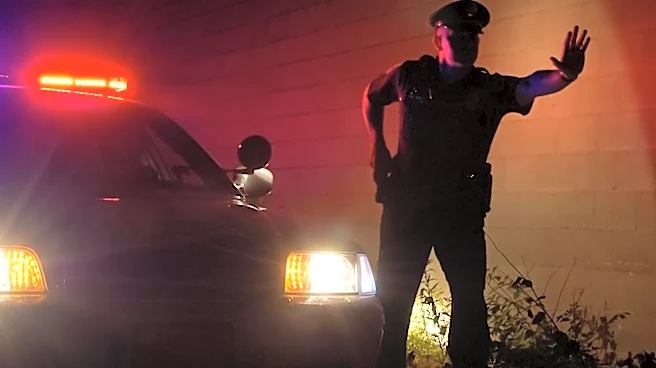
An independent investigation is underway in St. Petersburg, Florida, following the death of 48-year-old Brian Michael Pepal after a confrontation with St. Petersburg Police officers during a mental health welfare check. According to the Pinellas County
Sheriff's Office (PCSO), officers were flagged down by a woman requesting help for her stepson, who was experiencing a mental health crisis. Upon arrival at the residence, Pepal reportedly attacked the officers. During the struggle, officers used physical restraint to take Pepal to the ground. After he was in custody, officers discovered he was not breathing and initiated CPR. Pepal was transported to a hospital where he was pronounced dead. One officer sustained non-life-threatening injuries during the altercation. The PCSO emphasized that no intentional deadly force, such as tasers or batons, was used, with officers relying solely on physical restraint. The Pinellas County Use of Deadly Force Investigative Task Force is conducting the investigation, and Pepal's official cause of death is pending an autopsy by the medical examiner, as he had pre-existing medical conditions.
Why It's Important?
This incident highlights the ongoing national debate and challenges surrounding law enforcement's response to mental health crises. The death of an individual during a welfare check, despite officers reportedly using only physical restraint, raises critical questions about de-escalation techniques and the inherent risks when police are the primary responders to such calls. The involvement of the Pinellas County Use of Deadly Force Investigative Task Force underscores the need for independent oversight in cases involving police use of force, aiming to ensure thoroughness and objectivity. The situation also brings to light alternative response models, such as St. Petersburg's Community Assistance and Life Liaison (CALL) program, which dispatches social workers to non-violent, non-criminal calls, including mental health crises. The effectiveness and availability of such programs during critical incidents are crucial for potentially reducing police involvement and providing more compassionate, specialized care, thereby impacting public trust and safety.
What's Next?
The investigation by the Pinellas County Use of Deadly Force Investigative Task Force is ongoing, with autopsy results pending to determine the official cause of Brian Michael Pepal's death. The names of the officers involved are expected to be released after 72 hours, in accordance with Florida's Marsy's Law. The outcome of this investigation could influence future training protocols for St. Petersburg Police and potentially lead to further scrutiny or expansion of alternative response programs like the CALL program. Ed Obayashi, a use of force expert, noted that California law enforcement agencies have ceased responding to mental health calls, referring them instead to mental health authorities, suggesting a potential shift in how such incidents are handled nationally. The community will likely await the full findings of the investigation and any subsequent policy changes or recommendations regarding law enforcement's engagement with individuals experiencing mental health crises.
Beyond the Headlines
This incident delves into the complex intersection of mental health, law enforcement, and public safety, revealing deeper societal challenges. The expert opinion that 'current de-escalation techniques do not work' in certain mental health crisis scenarios suggests a fundamental gap in how these situations are approached. The reliance on physical restraint, while not classified as intentional deadly force, can still have fatal consequences, prompting ethical considerations about the limits of force and the need for specialized intervention. The California model of referring mental health calls to dedicated authorities, rather than police, points to a growing recognition that traditional policing may not be the most appropriate or effective response for individuals in crisis. This shift could lead to a re-evaluation of emergency response systems nationwide, emphasizing a more integrated approach that prioritizes mental health expertise and de-escalation, ultimately aiming to reduce tragic outcomes and foster greater community trust.