






What's Happening?
A recent peer-reviewed study challenges existing hypertension guidelines by advocating for a combined approach to sodium reduction and increased potassium intake. The study suggests that this dual strategy is more effective in lowering blood pressure
than focusing solely on sodium reduction. The authors call for a holistic framework in dietary recommendations and reformulations to incorporate both nutrients. This approach is based on evidence showing that potassium can partially substitute for sodium, offering a more comprehensive method for managing hypertension, which affects over 1.28 billion adults globally.
Why It's Important?
This shift in dietary guidelines could have significant implications for public health policy and the food industry. By promoting a balanced intake of sodium and potassium, the new guidelines aim to address one of the leading risk factors for cardiovascular diseases more effectively. This could lead to changes in food labeling, product reformulation, and consumer education. For the food industry, it presents an opportunity to innovate with new products that align with these guidelines, potentially leading to a competitive advantage in the health-conscious market segment.
What's Next?
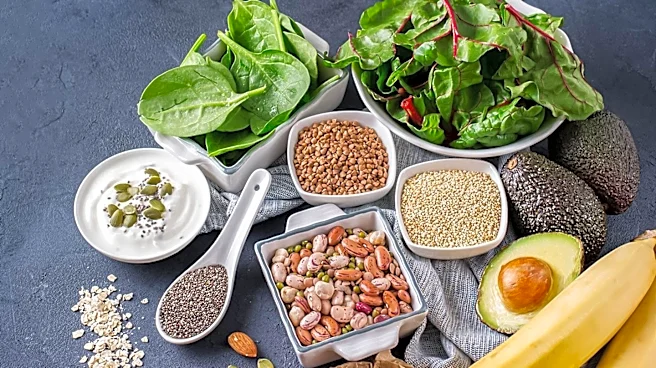
The implementation of these guidelines will require collaboration between health authorities, the food industry, and consumer advocacy groups. Public health campaigns may need to focus on educating consumers about the benefits of potassium-rich foods, such as fruits, vegetables, and legumes. The food industry might explore reformulating products to reduce sodium and increase potassium content, balancing taste and health benefits. Monitoring and research will be essential to assess the impact of these changes on public health outcomes and to refine guidelines as new evidence emerges.