





What's Happening?
Iran has presented a new 14-point proposal to the United States aimed at ending the ongoing conflict, which has significantly impacted global economic stability. The proposal, delivered through Pakistan, seeks to establish a permanent peace agreement,
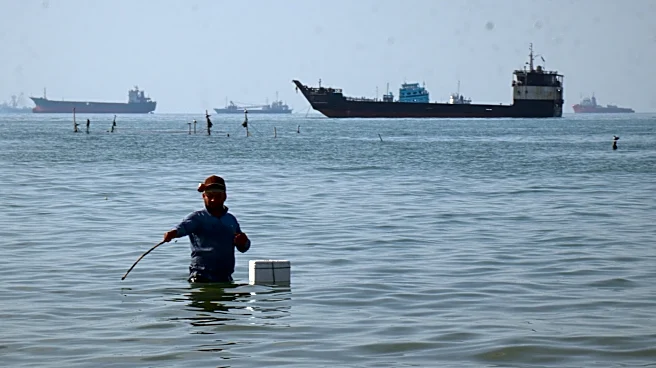
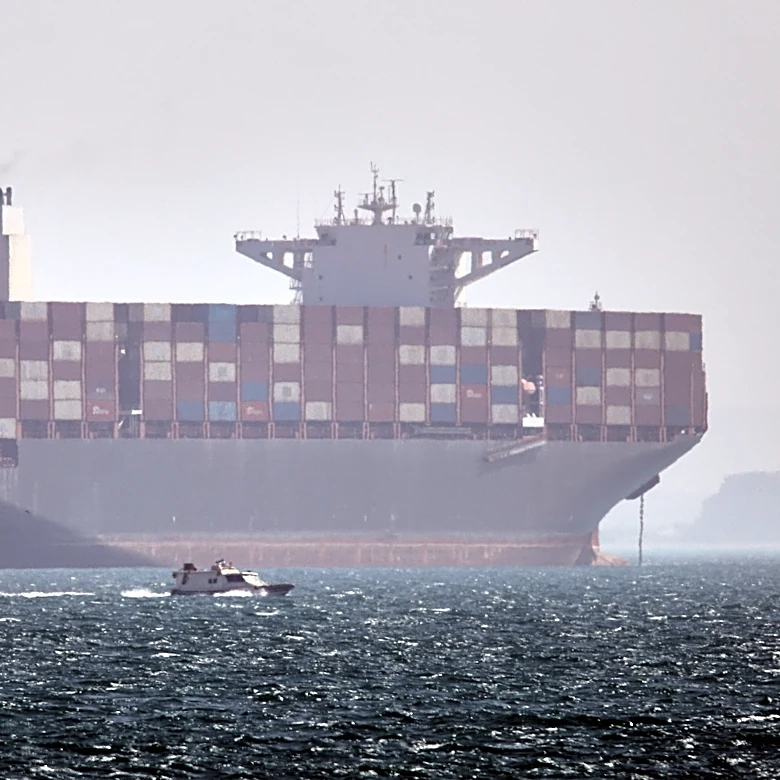
addressing issues such as the lifting of sanctions, war reparations, and guarantees against future attacks. The plan also calls for the withdrawal of U.S. forces from around Iran and the release of frozen Iranian assets. President Trump is currently reviewing the proposal but has expressed skepticism about reaching a deal, citing Iran's nuclear capabilities as a major sticking point. The ongoing naval tensions in the Strait of Hormuz, a critical passage for global oil exports, remain a significant challenge in the negotiations.
Why It's Important?
The proposal is crucial as it represents a potential turning point in U.S.-Iran relations, which have been strained by military confrontations and economic sanctions. A successful agreement could stabilize the region, reduce global oil prices, and alleviate economic pressures on both nations. However, the mistrust between the U.S. and Iran, particularly regarding nuclear capabilities and military presence, poses a significant barrier to peace. The outcome of these negotiations could influence U.S. foreign policy and its approach to international conflicts, as well as impact global economic conditions, especially in the energy sector.
What's Next?
The next steps involve President Trump's decision on whether to accept Iran's proposal or continue with a confrontational approach. The U.S. administration may consider diplomatic strategies to address the nuclear issue and the blockade of the Strait of Hormuz. Potential reactions from international stakeholders, including allies and economic partners, will be critical in shaping the future of these negotiations. The situation remains fluid, with both sides needing to make concessions to achieve a lasting resolution.
Beyond the Headlines
The broader implications of this proposal extend to the geopolitical landscape, where U.S. influence and military strategy are being tested. The conflict has highlighted the limitations of military dominance and the need for diplomatic solutions in resolving international disputes. The resolution of this conflict could set a precedent for future negotiations involving nuclear capabilities and economic sanctions, influencing global diplomatic norms and security policies.