








What's Happening?
The Federal Trade Commission (FTC) has reached a settlement with Progress Residential and its owner, Pretium Partners, requiring them to pay $49.75 million. This settlement addresses allegations of deceptive rental pricing practices and other unlawful
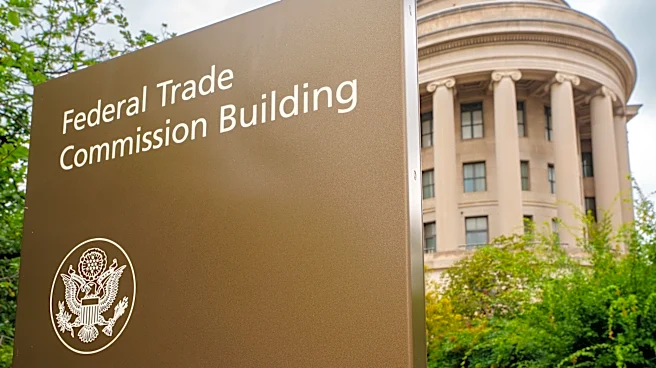
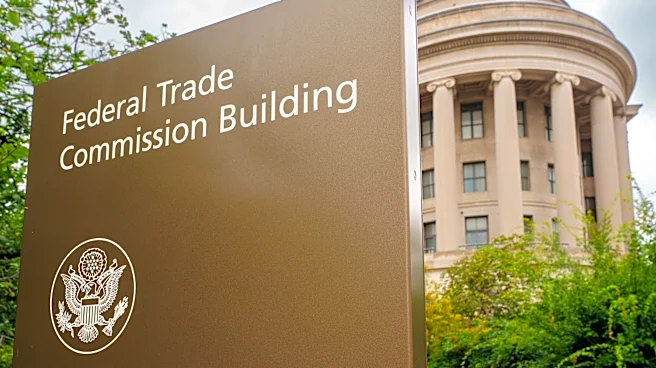
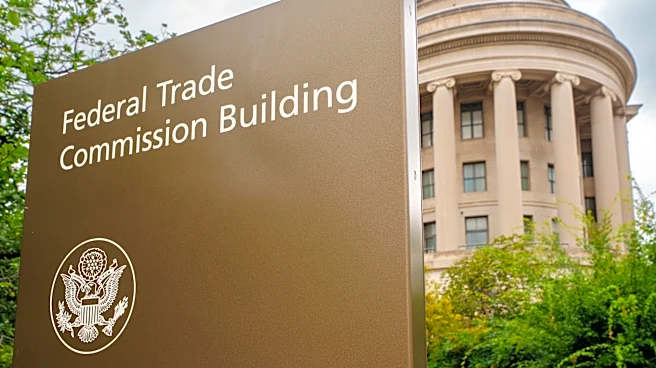
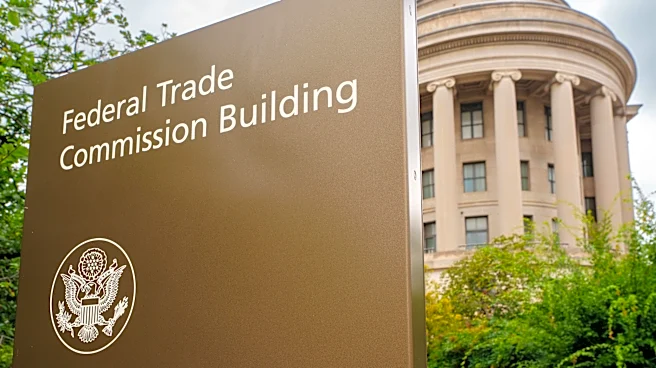
conduct. The FTC, a government agency established in 1914 and headquartered in Washington, DC, is dedicated to protecting American consumers. The agency has been actively monitoring the rental housing market to ensure transparency and fair competition. This action is part of the FTC's ongoing efforts to combat misleading business practices that harm consumers, particularly in essential sectors like housing. The settlement aims to provide restitution to affected renters and deter similar conduct in the future.
Why It's Important?
This settlement is significant for the U.S. rental housing market and consumer protection. It underscores the FTC's commitment to holding large corporate landlords accountable for their business practices. Deceptive rental pricing can lead to substantial financial burdens for tenants, often impacting their ability to secure stable housing and manage their finances. The $49.75 million payment will provide relief to consumers who were allegedly subjected to these unlawful practices, potentially helping them recover from unexpected costs or fees. Furthermore, this action sends a clear message to other companies in the rental industry that the FTC will actively intervene to prevent and penalize practices that mislead or exploit renters, thereby promoting a more equitable and transparent housing market across the nation.
What's Next?
Following this settlement, the FTC is expected to continue its vigilance over the rental housing market. The agency's ongoing monitoring efforts suggest that similar investigations and enforcement actions could be pursued against other companies found to be engaging in deceptive practices. For Progress Residential and Pretium Partners, the immediate next step involves fulfilling the terms of the settlement, including the payment of the $49.75 million. This case may also prompt other rental companies to review their pricing and disclosure practices to ensure compliance with consumer protection laws, potentially leading to broader industry changes aimed at increasing transparency and fairness for renters nationwide. The FTC's continued focus on this sector indicates a sustained effort to safeguard consumer interests in housing.
Beyond the Headlines
This FTC settlement highlights a broader issue within the U.S. housing market concerning the increasing corporatization of rental properties and the potential for large-scale deceptive practices. As institutional investors acquire more single-family homes, the power dynamic between landlords and tenants can shift, making it more challenging for individual renters to address grievances. The FTC's intervention in this case suggests a recognition of these systemic issues and an attempt to rebalance that dynamic through regulatory enforcement. This action could encourage greater scrutiny of other industries where large corporations interact directly with individual consumers, potentially leading to a re-evaluation of consumer protection frameworks in an evolving economic landscape. It also underscores the ethical responsibility of businesses to ensure transparent and honest dealings with their customers.