






What's Happening?
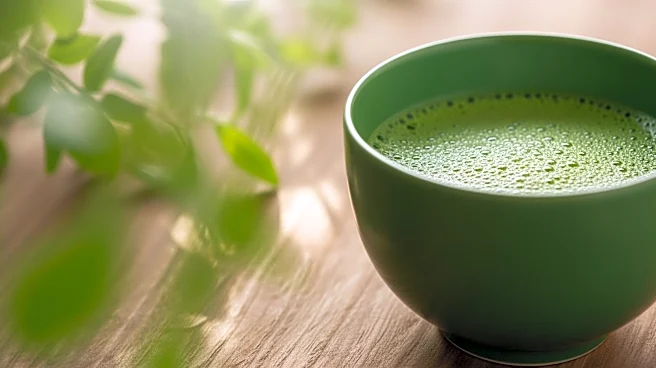
A recent study conducted by researchers in Japan has found that matcha, a traditional Japanese green tea, may help reduce sneezing associated with seasonal allergies. The study involved mice engineered to exhibit human-like allergy symptoms, and it was
observed that high doses of matcha extract suppressed sneezing. Unlike typical allergy medications that target the immune system, matcha appears to affect the nervous system, particularly the brainstem area responsible for the sneezing reflex. The bioactive compounds in matcha, such as catechins and L-theanine, are believed to contribute to its anti-inflammatory properties. While the findings are promising, researchers caution that more extensive studies are needed to understand matcha's effects on human sneezing mechanisms.
Why It's Important?
The potential of matcha to alleviate sneezing could offer a natural alternative to traditional allergy medications, which often come with side effects. If further research confirms these findings in humans, matcha could become a popular choice for those seeking to manage allergy symptoms without pharmaceutical interventions. This development is particularly relevant as the demand for natural and holistic health solutions continues to grow. Additionally, the study highlights the importance of exploring non-immune pathways in allergy treatment, which could lead to new therapeutic approaches.
What's Next?
Further research is necessary to determine the efficacy of matcha in humans and to explore the exact mechanisms by which it affects the nervous system. Researchers may conduct clinical trials to assess the appropriate dosage and long-term effects of matcha consumption on allergy symptoms. If successful, matcha could be integrated into dietary recommendations for allergy sufferers, potentially influencing the beverage industry and consumer habits.
Beyond the Headlines
The study opens up discussions on the broader implications of using traditional foods and beverages in modern medicine. Matcha's potential role in allergy management could lead to increased interest in other adaptogenic drinks and their health benefits. This trend may also encourage more interdisciplinary research between nutrition science and neurology, fostering innovation in non-pharmaceutical treatments.