






What's Happening?
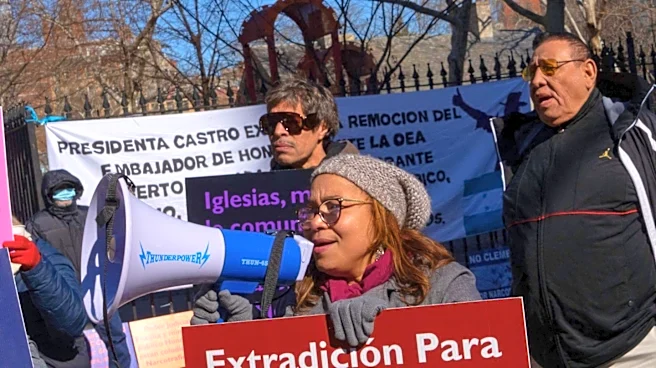
U.S. Representative Becca Balint, along with Vermont Senators Bernie Sanders and Peter Welch, is backing the LIFT the BAR Act, a legislative proposal aimed at expanding access to federal benefits for noncitizens. The bill, formally known as the Lifting
Immigrant Families Through Benefits Access Restoration Act, seeks to remove the five-year waiting period and other restrictions on programs like Medicaid, CHIP, SNAP, TANF, and Supplemental Security Income for several categories of noncitizens, including legal permanent residents and DACA recipients. The initiative is led by Democratic Representatives Pramila Jayapal and Rob Menendez. Despite the support, the bill's financial implications remain uncalculated, raising questions about its potential cost and funding sources.
Why It's Important?
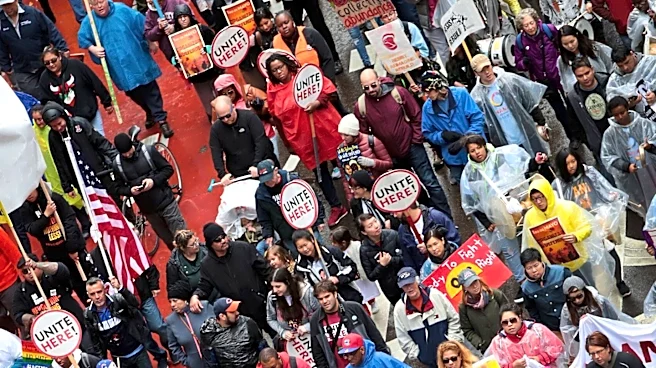
The LIFT the BAR Act represents a significant policy shift in how federal benefits are allocated to noncitizens, potentially impacting millions of individuals. By removing existing barriers, the bill could provide essential support to noncitizens who contribute to the tax system but are currently excluded from certain benefits. However, the lack of a cost analysis raises concerns about the financial burden on federal and state budgets. The proposal could lead to increased taxes, borrowing, or reallocation of funds from other programs, affecting economic stakeholders and public policy. The debate highlights the ongoing tension between immigration policy and social welfare in the U.S.
What's Next?
As the bill progresses, it will likely face scrutiny regarding its financial viability and political feasibility. Stakeholders, including lawmakers, advocacy groups, and the public, will need to engage in discussions about the bill's implications and funding strategies. The Congressional Budget Office may eventually provide a cost estimate, which could influence legislative support. The outcome of this proposal could set a precedent for future immigration and social welfare policies, shaping the national discourse on these critical issues.