







What's Happening?
A D.C. Council Committee recently held a seven-hour hearing to discuss proposed legislation aimed at reforming the District's for-hire vehicle laws. Introduced by Councilmember Brianne K. Nadeau, D-Ward 1, the bill seeks to establish a more equitable
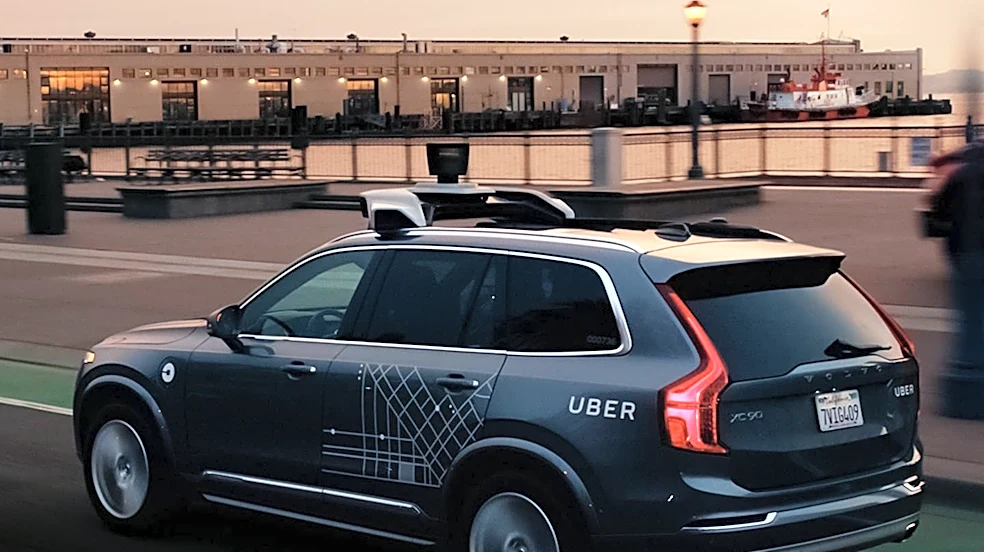
regulatory framework for taxis and ride-hailing services like Uber and Lyft. The proposed legislation aims to simplify definitions of service types, ensure autonomous vehicles are covered by existing laws, and increase transparency regarding driver pay. It also includes provisions to combat geographic discrimination and establish service standards for wheelchair-accessible vehicles, supported by subsidies. Councilmember Nadeau emphasized that the bill modernizes an outdated legal framework that has struggled to keep pace with rapid technological advancements in the for-hire vehicle industry. Public testimony during the hearing highlighted calls for improved accessibility for wheelchair users, enhanced consumer protection, greater price transparency, and better support for drivers.
Why It's Important?
This legislative effort is significant for the District of Columbia's transportation sector, as it seeks to address long-standing issues of regulatory imbalance and consumer protection in the ride-hailing industry. By equalizing regulations between traditional taxis and ride-hailing services, the bill could foster a more level playing field, potentially impacting the operational models and profitability of major companies like Uber and Lyft, as well as smaller services. The focus on transparency in driver pay and the prohibition of 'surveillance pricing' could lead to more predictable earnings for drivers and fairer pricing for consumers. Furthermore, the establishment of service standards and subsidies for wheelchair-accessible vehicles represents a crucial step towards improving transportation equity for individuals with disabilities, potentially setting a precedent for other urban areas grappling with similar challenges. The bill's intent to hold companies accountable for vehicle safety and to strengthen enforcement against unlicensed operators could enhance public safety and consumer confidence in the for-hire vehicle market.
What's Next?
Following the extensive committee hearing, the proposed legislation, B26-0818, known as the For-Hire Passenger Service Reform Act of 2026, will likely undergo further review and potential amendments within the D.C. Council. Stakeholders, including ride-hailing companies, taxi associations, disability advocates, and driver groups, are expected to continue engaging with council members to influence the bill's final form. The Council will need to consider the economic impacts on various industry players, the feasibility of implementing new technological requirements, and the overall benefit to District residents and visitors. If passed, the bill would necessitate significant operational adjustments for ride-hailing platforms and could lead to new compliance requirements for all for-hire vehicle operators in D.C. The implementation of new enforcement tools and the creation of the 'Accessible Passenger Service Fund' would also require administrative action from District agencies.
Beyond the Headlines
The D.C. Council's initiative reflects a broader national trend of municipalities attempting to regulate the rapidly evolving ride-hailing industry, which has often outpaced existing legal frameworks. This bill highlights the ongoing tension between innovation in the gig economy and the need for consumer protection, worker rights, and equitable access to services. The concept of 'surveillance pricing' and its potential ban raises important ethical questions about data privacy and algorithmic fairness in pricing models. Moreover, the emphasis on ensuring autonomous vehicles are covered by for-hire laws anticipates future challenges as self-driving technology becomes more prevalent, setting a regulatory groundwork for emerging transportation paradigms. The legislation's comprehensive approach, drawing from best practices in other jurisdictions, could serve as a model for other cities looking to modernize their transportation regulations in an increasingly complex and technologically driven landscape.