







What's Happening?
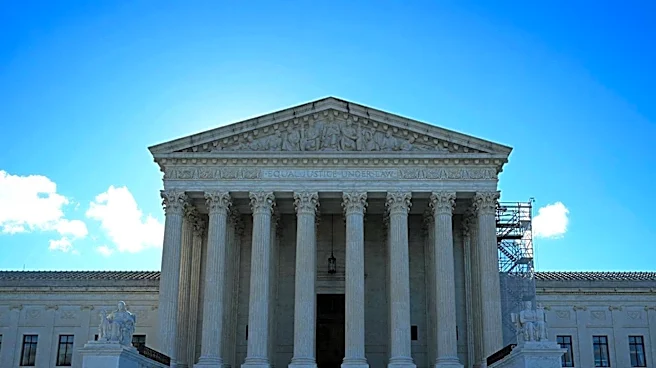
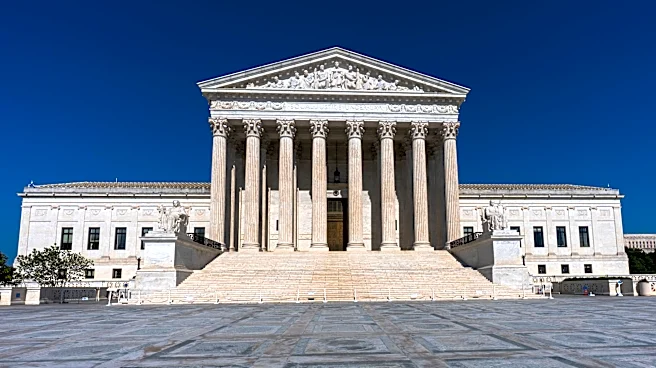
The Supreme Court has ruled that the use of geofence warrants, which allow law enforcement to request location data from tech companies to identify individuals near a crime scene, violates the Fourth Amendment's protection against unreasonable searches.
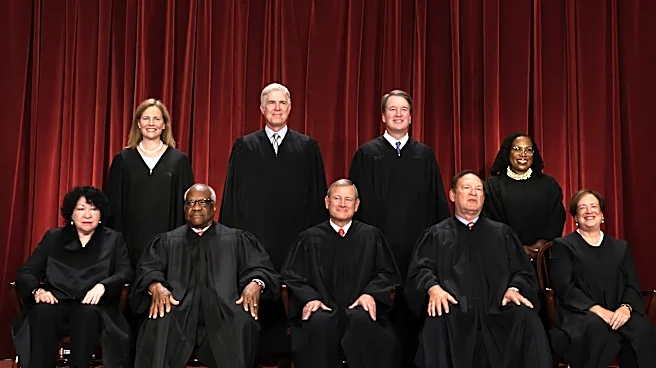
The decision, written by Justice Elena Kagan, emphasizes that individuals have a reasonable expectation of privacy in their phone location records, which police intrude upon when demanding this information from third-party tech companies. The ruling stems from a case involving a bank robbery in Virginia where geofence warrants led to the arrest and conviction of Okello Chatrie. The decision requires law enforcement to obtain a warrant before accessing such location data, although Justices Samuel Alito, Amy Coney Barrett, and Clarence Thomas dissented.
Why It's Important?
This ruling is significant as it sets a precedent for how digital privacy is protected under the Fourth Amendment. It impacts law enforcement agencies across the U.S., requiring them to obtain warrants before accessing location data from tech companies, thus potentially limiting their ability to quickly gather evidence in criminal investigations. The decision underscores the balance between privacy rights and law enforcement needs, affecting millions of Americans who use smartphones and other devices that track location data. It also places tech companies like Google in a position where they must navigate between compliance with law enforcement requests and protecting user privacy.
What's Next?
The ruling will likely lead to changes in how law enforcement agencies approach digital evidence collection, requiring them to adapt to stricter warrant requirements. It may also prompt further legal challenges and discussions about the scope of digital privacy rights. Tech companies might see an increase in legal requests for data, necessitating clearer policies and procedures for handling such requests. Additionally, the decision could influence future legislation aimed at defining the boundaries of digital privacy and law enforcement access.