





What's Happening?
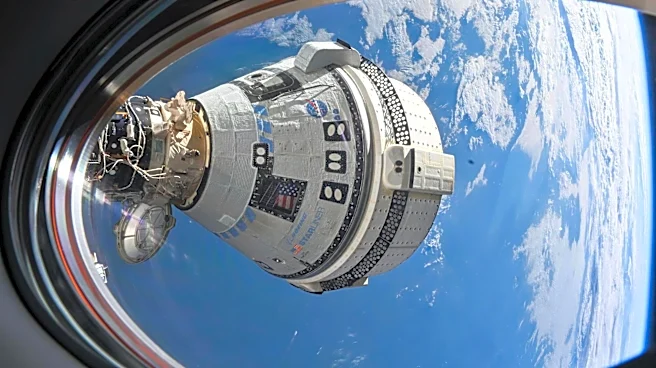
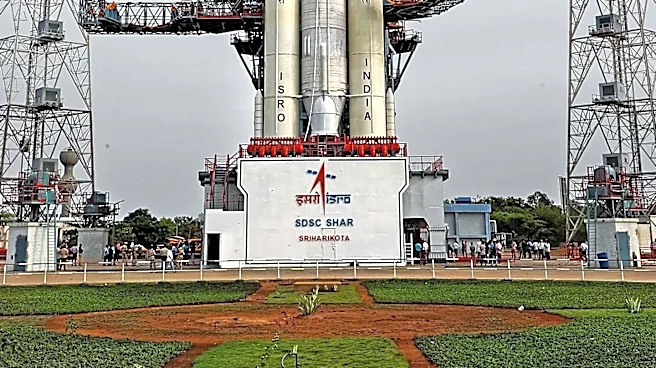
India's space program is making significant strides with the Gaganyaan mission, which plans to send Indian astronauts into space by 2027. This initiative, spearheaded by the Indian Space Research Organisation (ISRO) and supported by the Indian government,
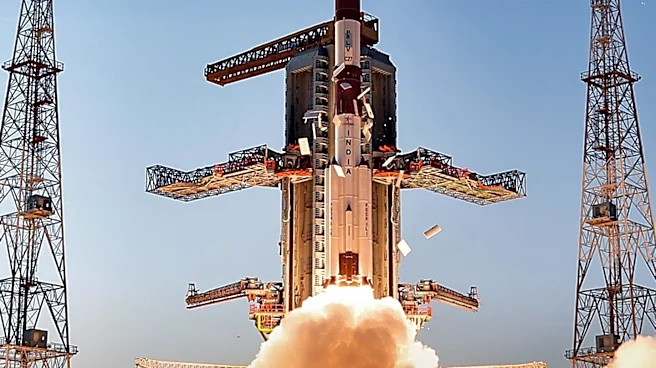
aims to establish India as a leading space power. The Gaganyaan mission is seen as a crucial step towards India's long-term goal of establishing the Bharatiya Antariksh Station by 2035. Beyond government-led efforts, India's private space sector is also experiencing rapid growth, with over 400 startups. One notable private company, Skyroot Aerospace, successfully launched its Vikram-1 rocket into low Earth orbit. Additionally, ISRO is developing a reusable re-entry vehicle, targeted for launch in 2027, building on the success of its Pushpak mission in 2024. These developments highlight India's ambition to expand its capabilities in human spaceflight and space exploration, fostering both national pride and international collaboration.
Why It's Important?
The Gaganyaan mission and the broader expansion of India's space program hold significant implications for global space exploration and international relations. By indigenously sending astronauts into space, India will join a select group of nations capable of human spaceflight, enhancing its geopolitical standing and technological prestige. This mission also serves as a foundation for future collaborations, such as the potential partnership with NASA for a permanent lunar base, as envisioned by the Artemis Accords which India signed in June 2023. The growth of India's private space sector, exemplified by companies like Skyroot Aerospace, is creating a dynamic ecosystem that could drive innovation, reduce costs, and increase the pace of space activities. This privatization aligns with global trends and could position India as a key player in the commercial space market. Furthermore, the emphasis on reusable launch vehicles and advanced research underscores India's commitment to sustainable and cutting-edge space technology, which could have ripple effects on global space standards and practices.
What's Next?
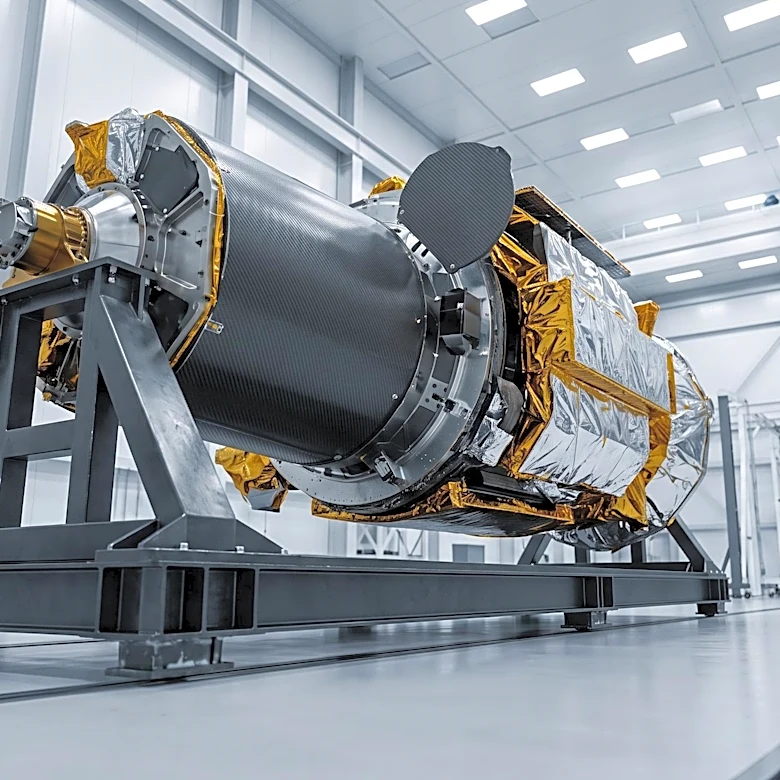
Looking ahead, the Gaganyaan mission is set to launch Indian astronauts into space by 2027, marking a historic achievement for the nation. Following this, India plans to establish its own space station, the Bharatiya Antariksh Station, by 2035, further solidifying its presence in Earth's orbit. The development of reusable re-entry vehicles, with a target launch in 2027, will continue to advance India's capabilities in cost-effective space access. In the private sector, companies like GalaxEye are expected to continue their efforts in developing advanced satellite technologies, with plans for sharper imaging satellites following the setback of Mission Drishti. India's engagement in space diplomacy, including its participation in the Artemis Accords and training of Gaganyaan crew members in Russia and the United States, indicates a continued focus on international partnerships while maintaining strategic autonomy. The government's ongoing investment in science and technology, despite some budgetary concerns, will be crucial for sustaining this ambitious trajectory.
Beyond the Headlines
The advancements in India's space program extend beyond technological achievements, touching upon deeper societal and strategic implications. The Gaganyaan mission, described as the dream of 1.4 billion Indians, fosters national unity and inspires a new generation towards scientific inquiry. The emphasis on space diplomacy, balancing partnerships with both Cold War-era rivals like Russia and the United States, reflects India's evolving role in a multipolar world order. This strategic approach allows India to leverage diverse expertise while safeguarding its national interests. The militarization of outer space and the race for resource nationalism highlight the critical importance of India's investment in space exploration for national security. Protecting its civilian and strategic assets in space, as demonstrated by the anti-satellite test Mission Shakti, is vital for ensuring seamless communication and intelligence sharing. Addressing challenges such as space debris and ensuring adequate funding for ISRO's projects will be crucial for India to maintain its momentum and emerge as a global power in the final frontier.