






What's Happening?
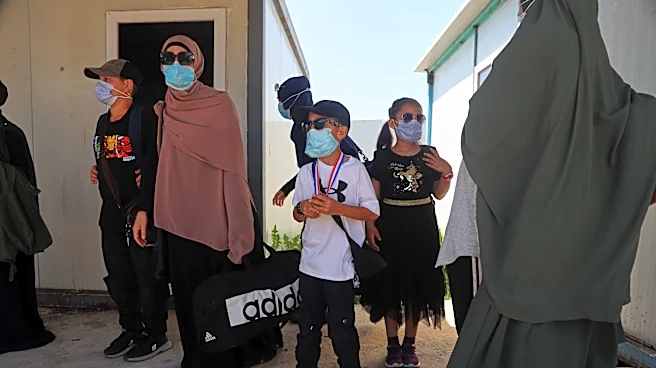
Airliners carrying Australian women and children with alleged ties to the Islamic State group have landed in Australia. The Australian government facilitated the return of 13 individuals who had been living in a Syrian desert camp for years. The group includes
three women and eight children who arrived in Melbourne, and another woman and her son who landed in Sydney. The government had previously condemned these women for supporting Islamic State militants by traveling to Syria and had refused to assist in their repatriation. Australian authorities are now investigating potential criminal charges against the women for their alleged involvement in the Islamic State's activities, including terrorism offenses and crimes against humanity.
Why It's Important?
The repatriation of these individuals marks a significant shift in the Australian government's approach to citizens who have been involved with extremist groups abroad. This decision could have implications for national security, as authorities must now assess the risk these individuals may pose upon their return. Additionally, the focus on the welfare of the children highlights the humanitarian aspect of the situation, as these young individuals have spent formative years in conflict zones. The government's actions may set a precedent for how other countries handle similar cases, balancing security concerns with humanitarian obligations.
What's Next?
Australian authorities are expected to continue their investigations into the activities of the repatriated women during their time in Syria. Legal proceedings may follow if sufficient evidence is found to charge them with terrorism-related offenses. Meanwhile, child welfare agencies will likely prioritize the integration and rehabilitation of the children into Australian society, ensuring they receive the necessary support to resume normal lives. The government may also face scrutiny and debate over its decision to repatriate these individuals, potentially influencing future policies on dealing with citizens involved in foreign conflicts.
Beyond the Headlines
The repatriation raises ethical questions about the responsibility of governments to their citizens who have engaged in extremist activities abroad. It also highlights the challenges of balancing national security with humanitarian concerns, particularly when children are involved. The situation underscores the complexities of dealing with individuals who have been part of extremist groups, including the need for comprehensive deradicalization programs and support systems to prevent future radicalization.