







What's Happening?
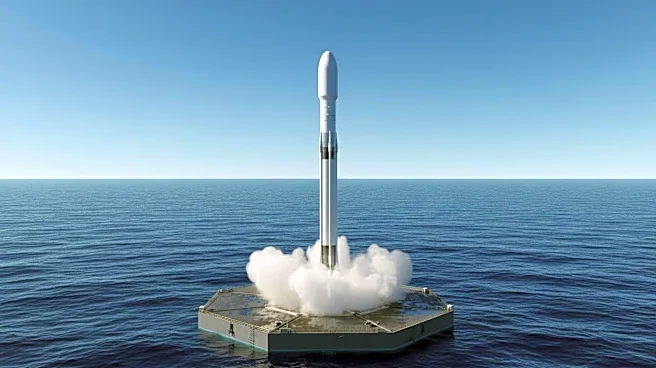
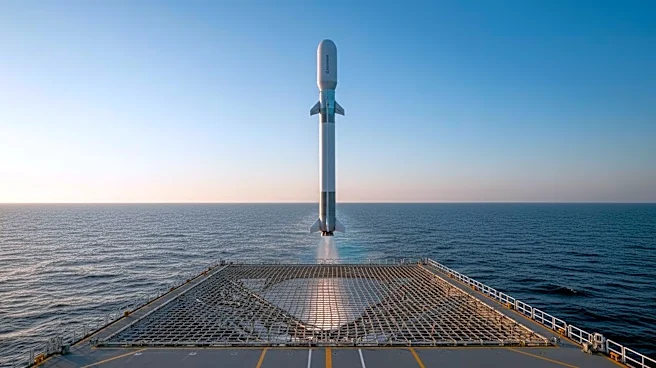
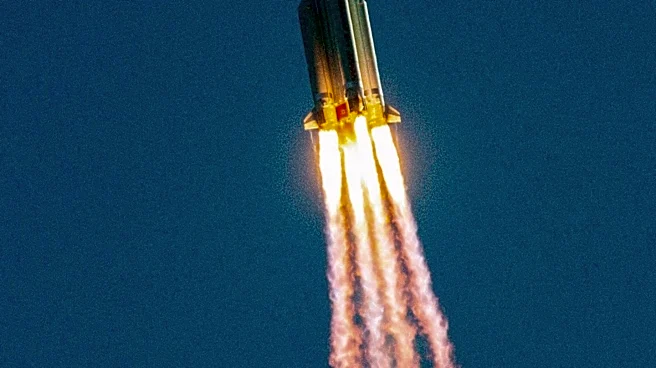
China has successfully recaptured the first stage of a Long March-10B rocket after a launch, marking a significant milestone in its space program. The rocket's first stage separated from the second stage after liftoff and returned to a platform in the sea.
This achievement mirrors the practices of American companies like SpaceX, which have been recovering rocket stages to reduce launch costs. SpaceX has been a leader in this area, with over 600 landings of its Falcon boosters. China's move into rocket recycling is part of a broader trend, with Japan also planning a similar attempt soon.
Why It's Important?
The successful recovery of a rocket stage by China represents a major advancement in its space capabilities, potentially reducing costs and increasing the frequency of launches. This development could enhance China's competitiveness in the global space industry, challenging established players like SpaceX. The ability to reuse rocket stages is crucial for sustainable space exploration and could lead to more frequent and cost-effective missions. This move also reflects China's growing ambitions in space, which could have geopolitical implications as space becomes an increasingly strategic domain.
What's Next?
Following this successful recovery, China is likely to continue refining its rocket recycling technology, potentially leading to more frequent and cost-effective launches. This could accelerate China's space exploration efforts and increase its presence in the global space industry. Other countries, such as Japan, are also pursuing similar technologies, indicating a broader trend towards reusable rockets. The competition in this field is expected to intensify, with implications for international collaboration and competition in space exploration.