








What's Happening?
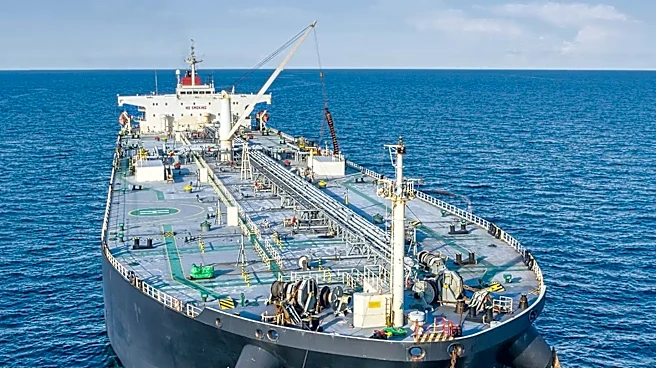
The U.S., Canada, and European countries are facing environmental challenges, including wildfires and potential oil spills from shadow fleet tankers. These tankers, operated by Russia and Iran, are uninsured and poorly maintained, posing a risk of catastrophic
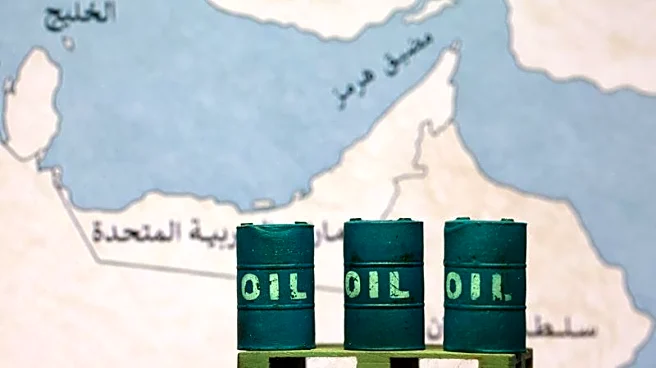
oil spills. The Caroline Bezengi, a Suezmax oil tanker, is an example of such a vessel, currently leaking oil near Oman. The sanctions imposed by Western countries have led to these vessels being unable to be sold for scrap or repaired, increasing the likelihood of environmental disasters.
Why It's Important?
The potential for oil spills from shadow fleet tankers represents a significant environmental and economic threat. Countries affected by spills may bear the cleanup costs due to the lack of insurance and the complex ownership structures of these vessels. This situation highlights a paradox where sanctions intended to pressure adversaries inadvertently create environmental risks. The U.S. has experienced the devastating effects of oil spills, such as the 2010 BP Deepwater Horizon disaster, underscoring the importance of addressing this issue.
What's Next?
Efforts are underway to address the risks posed by shadow fleet tankers. The U.S. and EU are considering a licensing system to allow sanctioned vessels to be decommissioned. However, challenges remain, as vessel owners may not sell their assets without compensation. Coordinated international efforts are needed to align sanctions and create pathways for safely removing these vessels from operation, reducing the risk of future environmental disasters.