







What's Happening?
Restaurants and foodservice businesses are actively addressing customer concerns amid a Cyclospora outbreak linked to shredded iceberg lettuce. An Ohio restaurant chain, for example, has communicated with its customers about the safety of its lettuce by
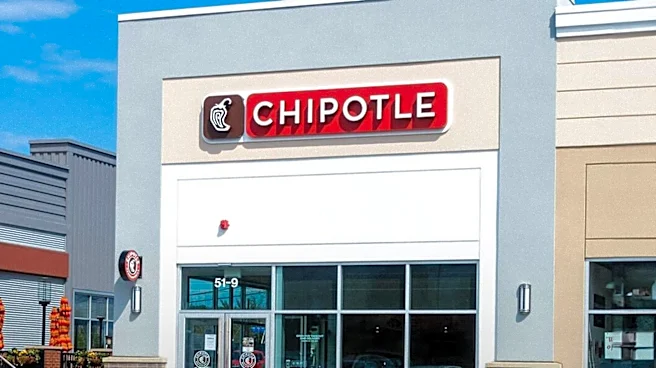
detailing the greenhouse operations that supply its salads. This approach is part of a broader trend where businesses are emphasizing the origins and safety of their produce. National chains like Chipotle and Sweetgreen have clarified that they do not use the implicated lettuce, opting instead for romaine sourced from different supply chains. Some organizations have taken precautionary measures by removing the implicated lettuce from their offerings, while others have highlighted their local and controlled-environment sourcing to reassure customers.
Why It's Important?
The Cyclospora outbreak has significant implications for the foodservice industry, particularly in how businesses communicate food safety to consumers. The outbreak has prompted a shift towards transparency and detailed communication about food sourcing, which could influence consumer trust and purchasing decisions. For growers and suppliers, this situation underscores the importance of traceability and the potential benefits of controlled-environment agriculture. The outbreak may lead to increased demand for greenhouse-grown produce, as these operations can offer more controlled and transparent growing conditions. This shift in consumer behavior could have lasting effects on the produce market and food safety practices.
What's Next?
As the outbreak continues, businesses may further refine their communication strategies to maintain consumer confidence. The foodservice industry might see a more permanent shift towards transparency in sourcing and production practices. Additionally, the demand for greenhouse and hydroponic produce could rise, potentially leading to changes in supply chain dynamics. Regulatory bodies may also increase scrutiny on food safety practices, prompting businesses to adopt more rigorous standards. The long-term impact on consumer behavior and industry practices will depend on the duration and severity of the outbreak and the effectiveness of communication strategies employed by businesses.