






What's Happening?
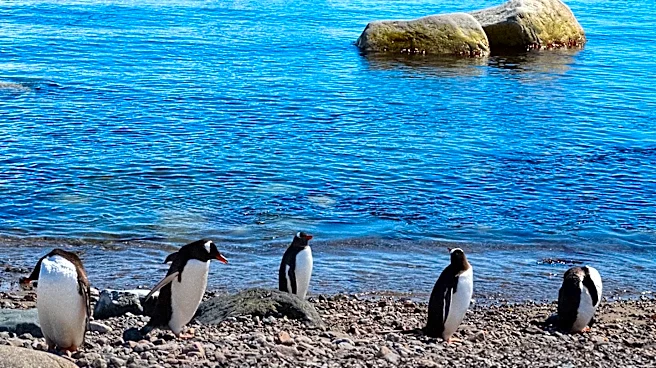
A new study has found that juvenile emperor penguins spend significant portions of their first year at sea in areas heavily utilized by industrial krill fishing boats. Researchers tracked 48 young penguins from three colonies in Antarctica's Weddell Sea.
The findings, published on November 17, 2026, in Biological Conservation, indicate that penguins from two of the colonies spent large amounts of time in active fishing zones, with some spending over 60% of their time in recently fished areas. The study, co-led by France's CNRS, the Centre Scientifique de Monaco, and the Woods Hole Oceanographic Institution (WHOI), highlights a consistent migration pattern among the young penguins, who travel over 1,500 kilometers annually. While the study identifies an overlap, it does not directly prove harm to the penguins from fishing activities. However, it pinpoints critical areas where marine protection could be most effective for these vulnerable birds.
Why It's Important?
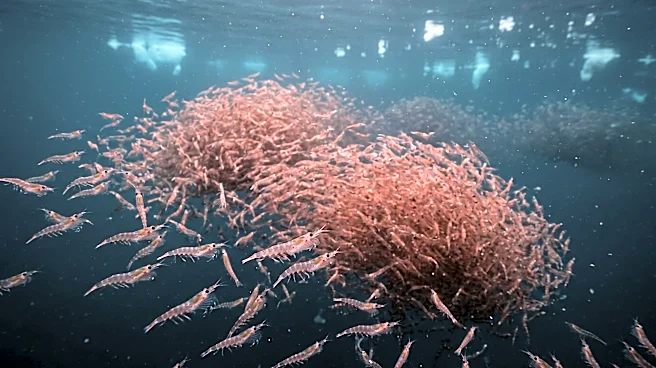
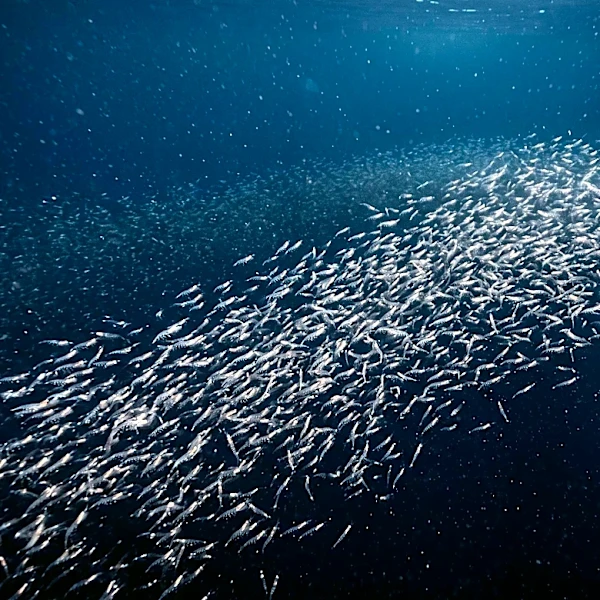
This research is crucial because it identifies predictable and consistent overlap zones between a vulnerable species and a commercial fishery. Emperor penguins are considered an indicator species, meaning their well-being reflects the health of the broader Southern Ocean ecosystem. Krill, a primary food source for penguins, also forms the base of the food web for numerous other species, including seals, whales, and other seabirds. The commercial krill fishery supplies aquaculture feed and dietary supplements, creating a direct competition for resources. The study strengthens the argument for establishing new marine protected areas (MPAs) in the Antarctic Peninsula and Weddell Sea, particularly in areas frequented by juvenile penguins. Protecting these habitats would not only benefit emperor penguins but also safeguard the entire food web and the unique biodiversity of the Southern Ocean.
What's Next?
The findings are expected to intensify calls for the Commission for the Conservation of Antarctic Marine Living Resources (CCAMLR) to establish new marine protected areas. Efforts to create a large MPA in the Weddell Sea, covering approximately 2.2 million square kilometers, have been ongoing for over a decade but have faced repeated failures to reach consensus among CCAMLR members. Conservation organizations, such as WWF-Australia, which helped fund the research, are urging CCAMLR to act to protect critical habitats. Future research may focus on determining whether krill fishing in these identified overlap areas directly impacts the food availability and survival rates of young penguins. The study's predictability of penguin movements suggests that targeted protection in these specific zones could offer long-term benefits for the species.
Beyond the Headlines
The study underscores a broader ecological challenge: balancing commercial resource extraction with biodiversity conservation in sensitive marine environments. The consistent migratory patterns of juvenile emperor penguins highlight the importance of understanding species' life cycles beyond their immediate breeding grounds when designing conservation strategies. Current MPA proposals often focus on adult foraging grounds, potentially overlooking the critical open-sea areas where juveniles spend their most vulnerable early years. The ongoing debate within CCAMLR reflects the complex geopolitical and economic interests involved in managing shared international resources. The decline of emperor penguin populations, already listed as endangered due to climate change impacts on sea ice, adds urgency to addressing all potential threats, including competition for food resources.