




What's Happening?
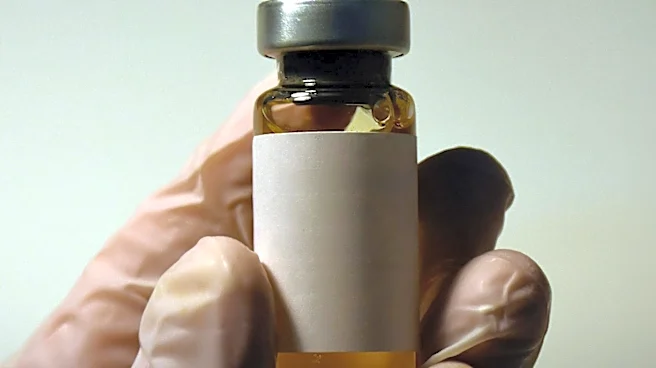
In 1955, Jonas Salk made a groundbreaking decision not to patent his polio vaccine, famously stating, 'Could you patent the sun?' This choice, which cost him an estimated seven billion dollars, allowed the vaccine to be distributed widely and affordably,
leading to the immunization of hundreds of millions of children worldwide. At the time, polio was a feared disease, paralyzing thousands annually in the U.S. Salk's decision was driven by a commitment to public health over personal profit, setting a precedent for open access to life-saving medical innovations.
Why It's Important?
Salk's decision not to patent the polio vaccine had profound implications for global public health, enabling rapid and widespread distribution that significantly reduced polio cases worldwide. This act of altruism is often cited in debates about pharmaceutical patents and access to medicines, particularly during health crises like the AIDS epidemic and the COVID-19 pandemic. Salk's approach highlights the potential benefits of prioritizing public health over profit, encouraging a model where life-saving treatments are accessible to all, regardless of economic status. His legacy continues to influence discussions on the ethics of medical patents and the role of philanthropy in scientific research.