






What's Happening?
The U.S. Centers for Disease Control and Prevention (CDC) has reported a significant increase in Cyclospora infections, marking one of the largest foodborne illness events of 2026. As of mid-July, there are 1,645 laboratory-confirmed cases across 34 states,
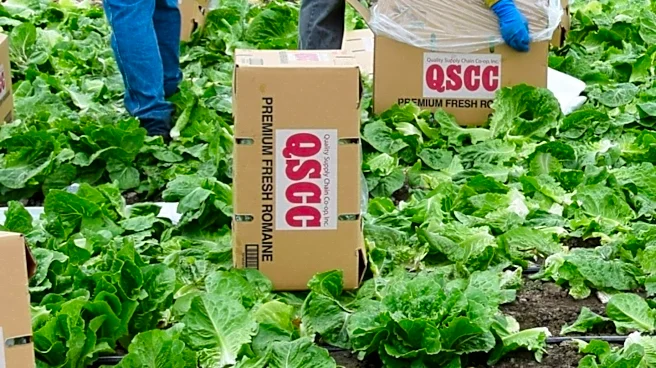
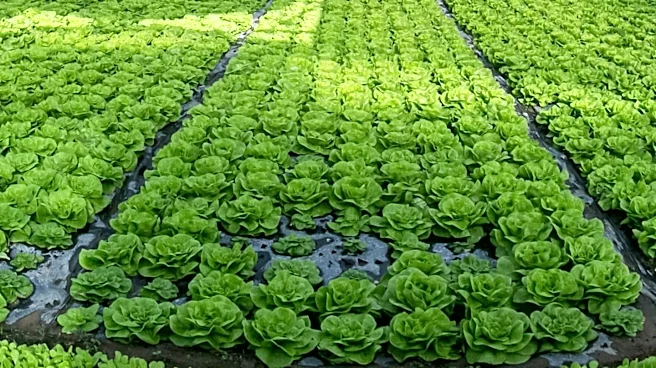
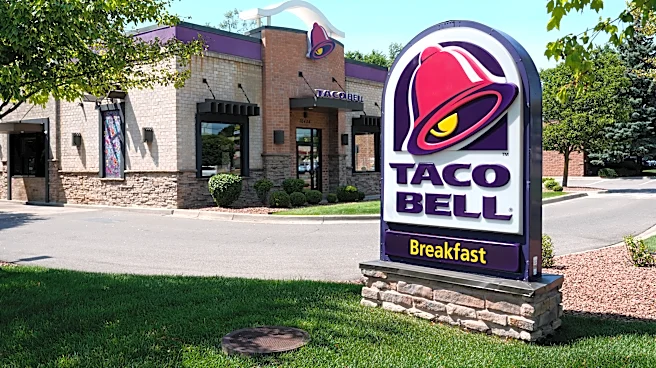
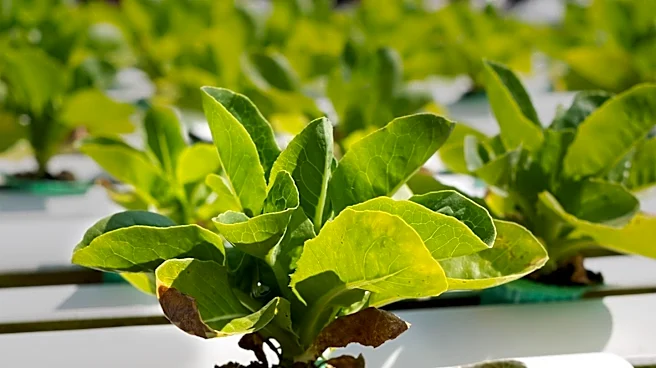
with over 5,100 additional cases under review. The outbreak has led to multiple federal investigations and heightened scrutiny of fresh produce supply chains during the summer growing season. A notable cluster of cases has been linked to shredded iceberg lettuce from Taylor Farms de Mexico, served at Taco Bell locations in five states. In response, Taco Bell has removed the affected lettuce from its supply chain, and Taylor Farms has withdrawn all iceberg lettuce sourced from central Mexico from the U.S. market. The CDC, FDA, and state health departments continue to investigate other Cyclospora clusters to identify additional contamination sources.
Why It's Important?
The surge in Cyclospora cases underscores the ongoing challenges in ensuring food safety and the vulnerability of supply chains to contamination. This outbreak highlights the need for stringent food safety protocols and the importance of rapid response mechanisms to prevent widespread public health crises. The economic impact is significant, affecting the agricultural sector, food service providers, and consumers. The outbreak also raises concerns about the effectiveness of current food safety regulations and the ability of federal agencies to manage such large-scale public health threats. The situation calls for improved transparency and accountability in the food supply chain to protect public health and maintain consumer confidence.
What's Next?
Public health officials anticipate that the number of Cyclospora cases will continue to rise in the coming weeks due to reporting delays and the parasite's incubation period. The CDC and FDA are urging consumers, retailers, and food service providers to adhere to strict food safety and handling measures. Ongoing investigations aim to identify and mitigate additional contamination sources. The situation may prompt legislative and regulatory reviews to enhance food safety standards and prevent future outbreaks. Stakeholders, including agricultural producers and food service companies, may face increased scrutiny and pressure to implement more robust safety measures.