



What's Happening?
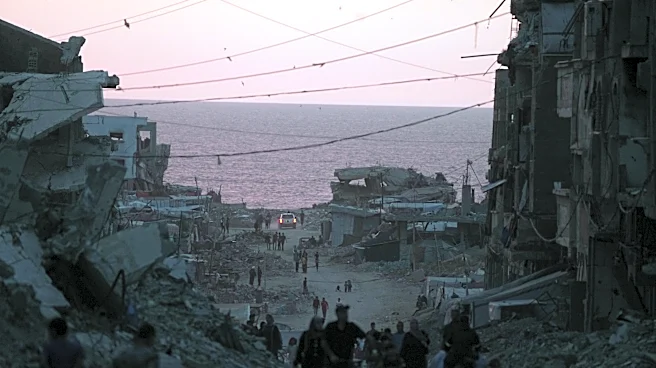
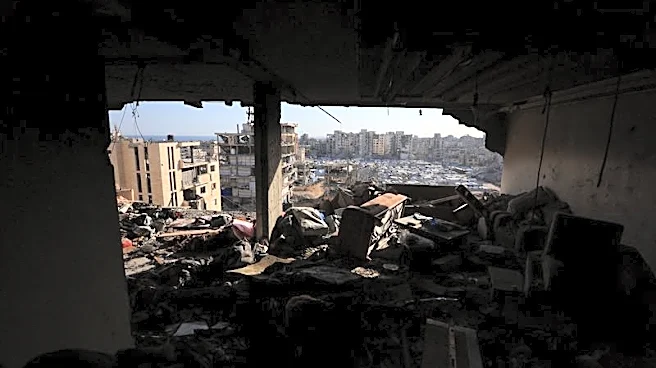
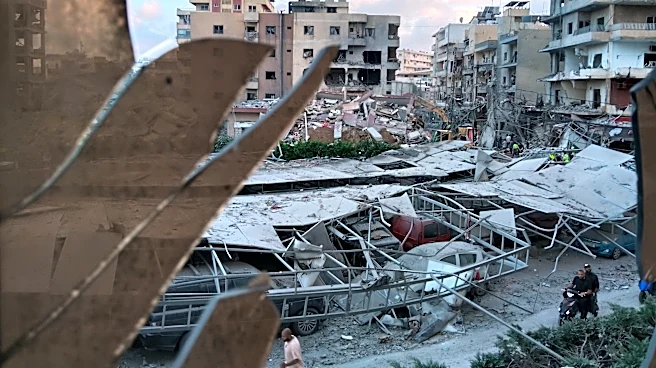
The humanitarian situation in Gaza has deteriorated significantly due to severe shortages of essential supplies such as gas, engine oil, and spare parts. These shortages have crippled transportation and affected critical services, including bakeries,
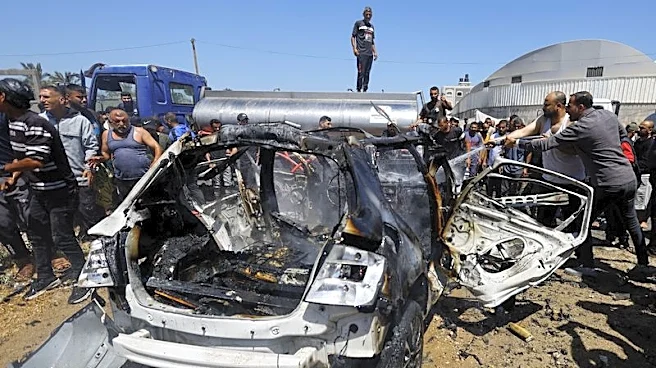
water supplies, and emergency services. The main hospital in central Gaza has warned of an imminent health disaster as its electrical generators have failed, impacting surgical operations. The scarcity of engine oil has led to a halt in vehicle operations, forcing residents to abandon cars and rely on alternative means of transportation. The crisis is compounded by Israeli restrictions on fuel imports, which have forced families to use firewood and other materials for cooking. The ongoing conflict and blockade have exacerbated the situation, leading to increased suffering and limited access to basic necessities.
Why It's Important?
The escalating crisis in Gaza has significant implications for the region's stability and humanitarian conditions. The shortages of essential supplies are not only affecting daily life but also threatening public health and safety. The inability to maintain critical infrastructure, such as hospitals and emergency services, poses a severe risk to the population's well-being. The situation highlights the broader impact of geopolitical tensions on civilian populations, as well as the challenges of providing humanitarian aid in conflict zones. The international community may face increased pressure to address the humanitarian needs in Gaza and find solutions to alleviate the suffering of its residents.
What's Next?
The ongoing shortages and humanitarian crisis in Gaza are likely to prompt calls for international intervention and aid. Humanitarian organizations may seek to increase their efforts to provide essential supplies and support to the affected population. The situation may also lead to diplomatic efforts to ease restrictions on fuel and other critical imports to alleviate the crisis. However, the resolution of the conflict and blockade remains a complex issue that requires cooperation from multiple stakeholders, including regional powers and international bodies.
Beyond the Headlines
The crisis in Gaza underscores the long-term challenges of living under blockade and conflict. The reliance on makeshift solutions, such as using firewood for cooking, highlights the resilience of the population but also the unsustainable nature of the current situation. The shortages of basic supplies and the impact on public services may lead to long-term health and economic consequences for the region. Additionally, the crisis raises ethical questions about the responsibility of the international community to protect and support vulnerable populations in conflict zones.