



What's Happening?
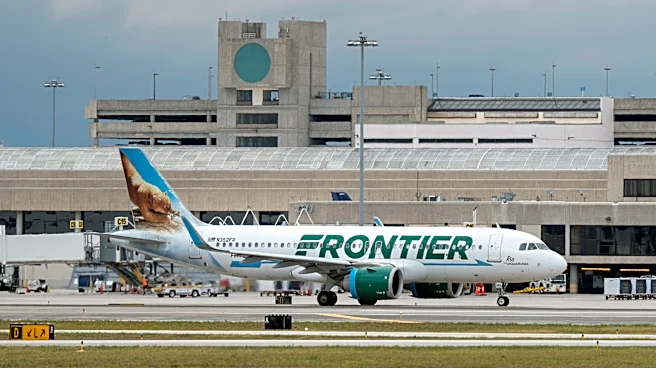
Cleveland Mayor Justin Bibb's initiative to close and redevelop Burke Lakefront Airport is encountering significant resistance from federal authorities and Republican lawmakers. The Federal Aviation Administration (FAA) has stated its policy is to strengthen,
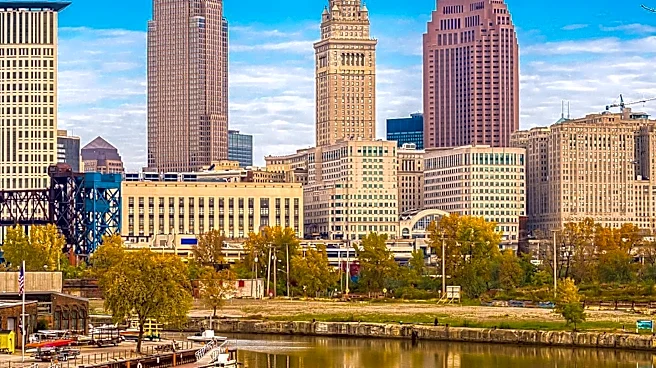
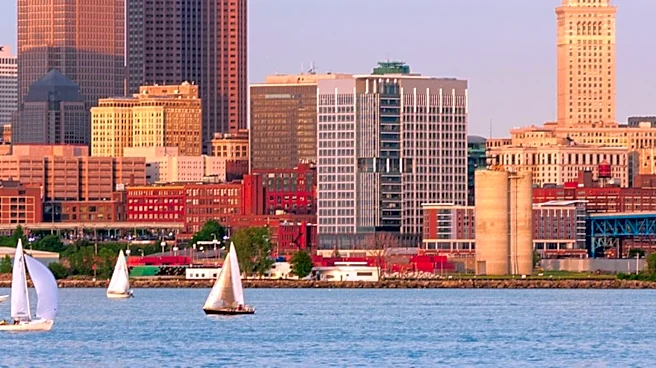
not close, airports, and has not received a formal request from Cleveland to shut down Burke. Republican U.S. Senator Bernie Moreno publicly opposed the closure, calling it 'patently absurd' to overrule the FAA's position. This opposition signals that Cleveland's lobbying efforts in Washington D.C. are currently unsuccessful. The city views the 450-acre lakefront property as an underutilized asset that could be redeveloped for the benefit of Clevelanders. Despite the setbacks, City Hall has not formally abandoned the plan, though its next steps remain unclear. Browns owner Jimmy Haslam had previously assisted Mayor Bibb in navigating discussions with the Trump administration and Ohio’s Republican senators regarding the airport's future.
Why It's Important?
The ongoing struggle over Burke Lakefront Airport highlights a significant clash between local urban development ambitions and federal aviation policy, with potential implications for economic development and infrastructure planning in U.S. cities. If Cleveland were successful in closing the airport, it could set a precedent for other cities looking to repurpose underutilized airport land for alternative development, potentially unlocking substantial economic opportunities. Conversely, the FAA's firm stance on strengthening the national airport system underscores a federal commitment to aviation infrastructure, which could limit local control over such assets. The involvement of prominent figures like Browns owner Jimmy Haslam and U.S. Senator Bernie Moreno also illustrates the intersection of business interests, sports, and politics in major urban development projects, where local and national stakeholders often have conflicting priorities regarding land use and economic growth.
What's Next?
Cleveland's next move regarding Burke Lakefront Airport is uncertain. The city has not formally requested FAA permission to close the airport, and the current federal and congressional opposition presents a significant hurdle. Mayor Bibb's administration may need to reconsider its strategy, potentially exploring alternative approaches such as a master plan that allows for partial redevelopment while maintaining airport operations, as suggested by the Aircraft Owners and Pilots Association. Another option for the Bibb administration could be to await the outcome of future elections, hoping for a change in congressional control or a more favorable federal administration that might be more receptive to the city's proposal. Stakeholders like the Greater Cleveland Partnership, while disappointed by the FAA's stance, remain eager to explore opportunities to make Burke a productive city asset and will continue to work with the Mayor on lakefront and riverfront improvements.
Beyond the Headlines
The debate over Burke Lakefront Airport extends beyond mere land use, touching upon deeper questions of urban identity, economic equity, and the balance of power between local and federal governance. The city's desire to repurpose the land reflects a broader trend in urban planning to reclaim waterfronts for public access and economic revitalization, moving away from industrial or transportation-centric uses. This initiative also raises ethical considerations about the 'highest and best use' of public land, weighing the benefits of aviation infrastructure against the potential for broader community development, housing, and green spaces. The involvement of a sports team owner like Jimmy Haslam underscores the increasing role of private sector leaders in shaping public policy and urban development, often leveraging their influence to navigate complex political landscapes. This situation could also influence future discussions on federal funding for urban projects, particularly those that challenge established federal infrastructure policies.