




What's Happening?
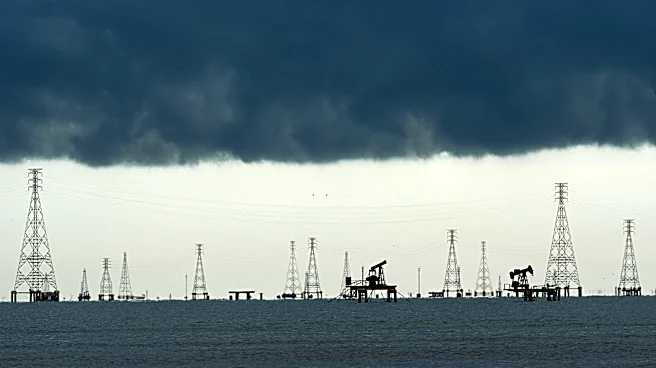
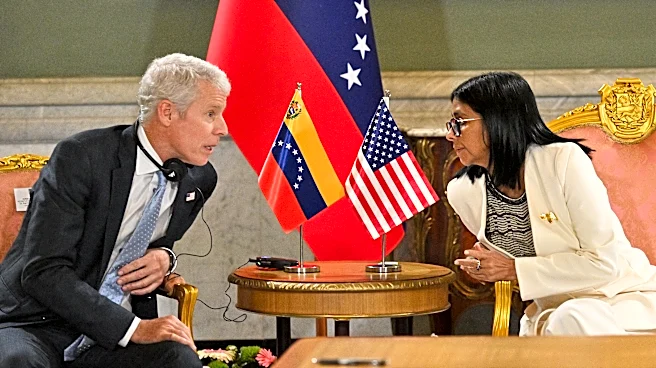
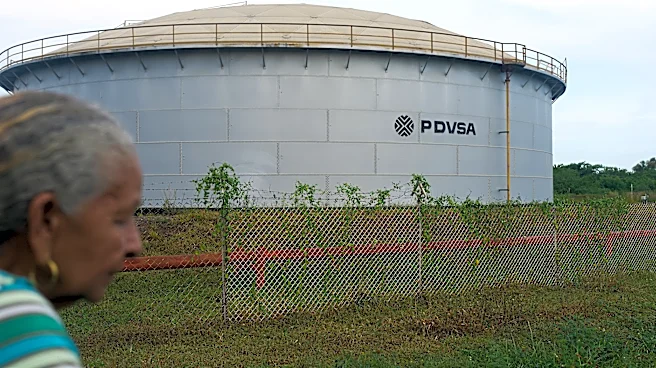
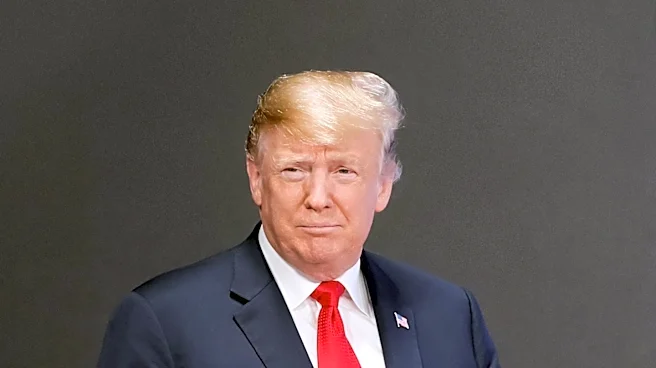
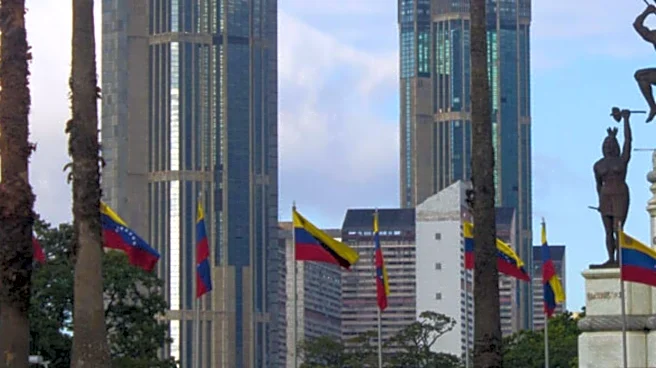
President Trump announced a new oil deal with Venezuela, which he described as 'THE BIGGEST OIL DEAL IN WORLD HISTORY.' This agreement involves the United States and Venezuela working through two intermediaries to facilitate oil flow. The Venezuelan partner,
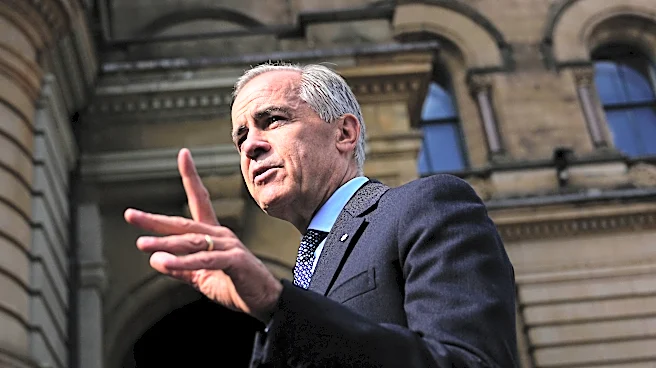
Alejandro Betancourt, head of North American Blue Energy Partners, has faced investigations for money laundering. The American partner is the Pentagon's Office of Strategic Capital (OSC), which will take a 35% stake in Betancourt's firm and secure the right to buy 20% of all production 'at cost.' The OSC, established in 2022 to develop vital industries through loans and loan guarantees, is now the primary backer of this deal. Critics, including Jonah Goldberg, editor-in-chief of The Dispatch, question the legality and morality of this arrangement, particularly given the U.S. administration's previous vows to restore Venezuelan democracy and the involvement with a regime described as corrupt and unelected. President Trump has a history of advocating for the U.S. to 'take the oil' from countries it engages with militarily, and he previously boasted that oil revenue from Venezuela had 'paid for the attack many times over.'
Why It's Important?
This oil deal is significant due to its potential constitutional and moral implications. The involvement of the Pentagon's Office of Strategic Capital in an oil deal with a foreign regime, especially one described as corrupt, raises questions about the appropriate use of military-affiliated entities and statutory authority. The deal also appears to contradict previous U.S. foreign policy objectives of promoting democracy in Venezuela, as it legitimizes and engages with the current regime. Furthermore, the claim that the U.S. should 'take the oil' from other nations, as President Trump has stated, challenges international norms and could set a precedent for future U.S. foreign policy. The deal's impact on U.S. oil producers is also a concern, as the U.S. government will be buying oil at below-market rates. While President Trump suggests the deal will lower gas prices, experts indicate that it would take years for Venezuelan oil fields to become productive and for American refineries to adapt to the oil, making any immediate impact on gas prices unlikely.
What's Next?
The legality of President Trump's oil deal with Venezuela is expected to be challenged in court. Critics anticipate that legal battles will arise over the statutory authority of the Pentagon's Office of Strategic Capital to engage in such a commercial venture and the broader constitutional implications of the executive branch's actions. The deal's long-term impact on U.S.-Venezuela relations and the prospects for Venezuelan democracy remain uncertain. The agreement could solidify the current Venezuelan regime's position, making the restoration of democracy more challenging. Additionally, the deal's influence on global oil markets and U.S. energy policy will be closely monitored, although immediate effects on gas prices are not expected. The political ramifications within the U.S. are also likely, with ongoing debate about the executive branch's power in foreign policy and economic agreements.
Beyond the Headlines
Beyond the immediate economic and political considerations, this oil deal touches upon deeper ethical and constitutional questions regarding U.S. foreign policy and the separation of powers. The notion of 'to the victor belong the spoils,' as invoked by President Trump, has historical roots in corrupt political systems rather than international law or constitutional principles. The deal raises concerns about the erosion of democratic norms and the potential for the executive branch to bypass congressional oversight in matters of war and resource acquisition. The engagement with a regime accused of human rights abuses and corruption also presents a moral dilemma, potentially undermining U.S. credibility as a proponent of human rights and democratic values globally. The long-term shift in U.S. foreign policy towards a more transactional and resource-driven approach, as exemplified by this deal, could have profound implications for international relations and the global order.