






What's Happening?
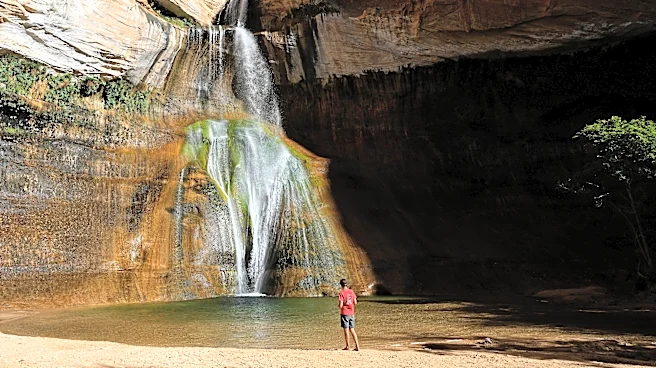
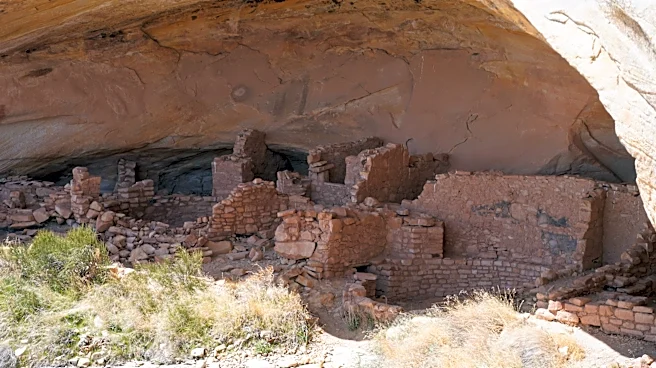
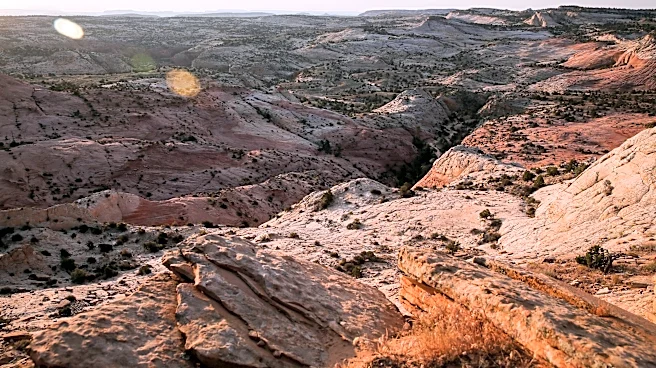
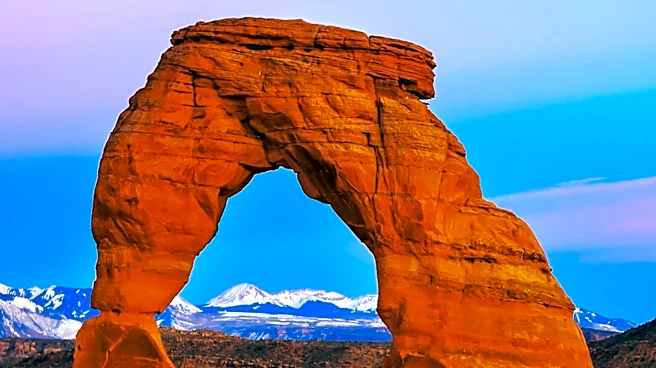
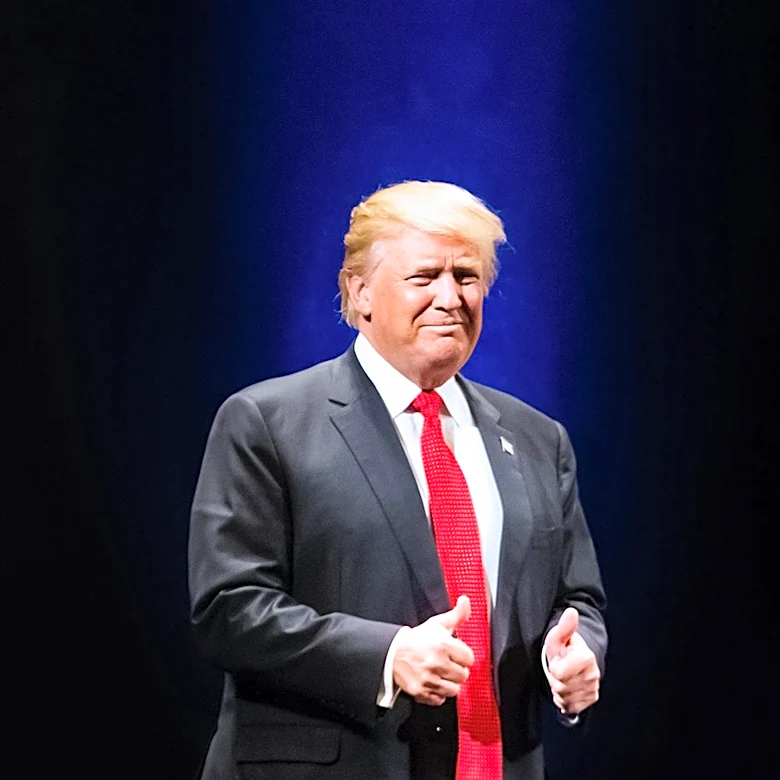
President Donald Trump has announced a reduction in the size of the Bears Ears and Grand Staircase-Escalante national monuments in Utah. This decision revisits actions from his first term, which were later reversed by President Joe Biden. The reduction decreases
the combined area of the monuments from over 3.2 million acres to less than 303,000 acres. The move has been framed as returning land to the people, with support from Utah officials who argue for state management of the lands. However, the decision has faced criticism from conservationists and Native American tribes, who warn it could lead to increased mining and disrespect tribal co-stewardship agreements.
Why It's Important?
The reduction of these national monuments highlights the ongoing debate over public land management and the balance between conservation and resource extraction. The decision underscores the political and cultural significance of national monuments, which have become a flashpoint in U.S. environmental policy. The move could have long-term implications for the preservation of cultural and natural resources, as well as the rights of Native American tribes involved in co-stewardship agreements. It also reflects broader tensions between federal and state control over land management.
What's Next?
The reduction of the monuments is likely to face legal challenges from environmental groups and tribal nations, who may argue that the Antiquities Act does not allow for the reduction of monument sizes. The decision could prompt further political and legal debates over the scope of presidential authority under the Antiquities Act. Additionally, the move may influence future policy decisions regarding public lands and conservation efforts, as stakeholders continue to advocate for their interests.