



What's Happening?
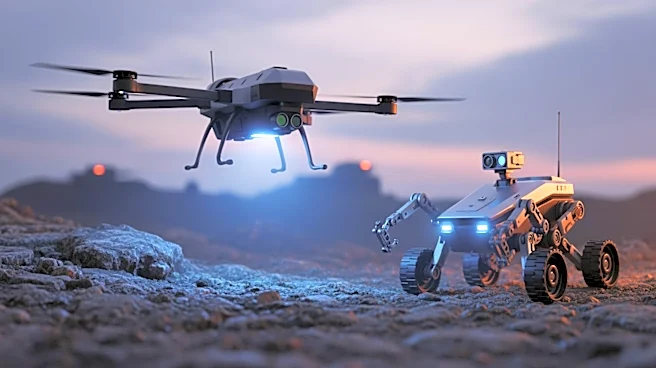
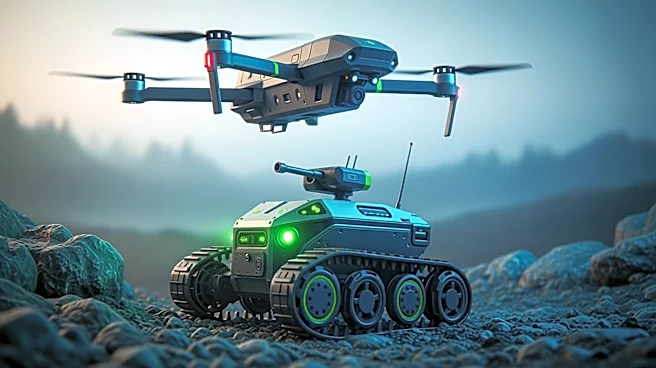
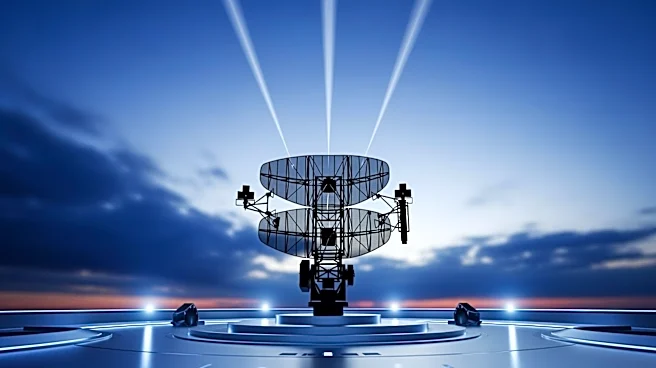
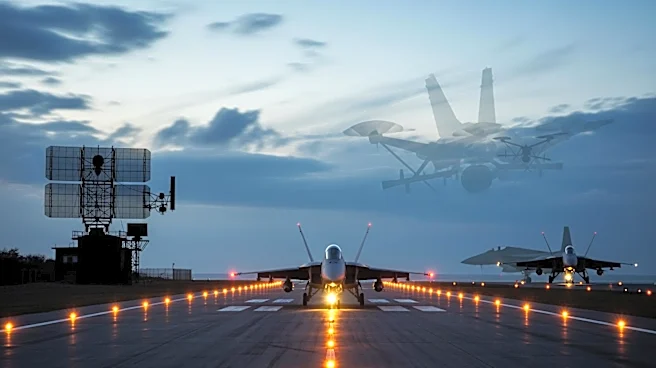
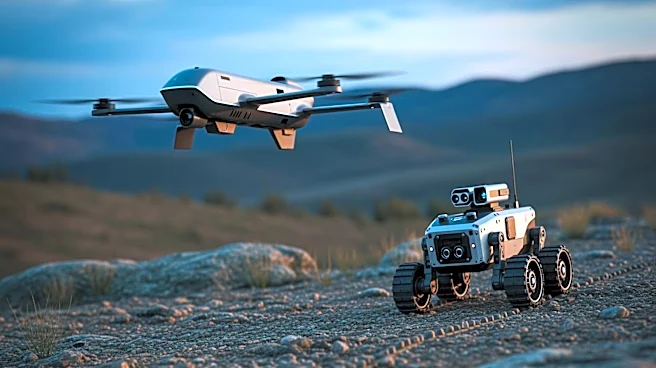
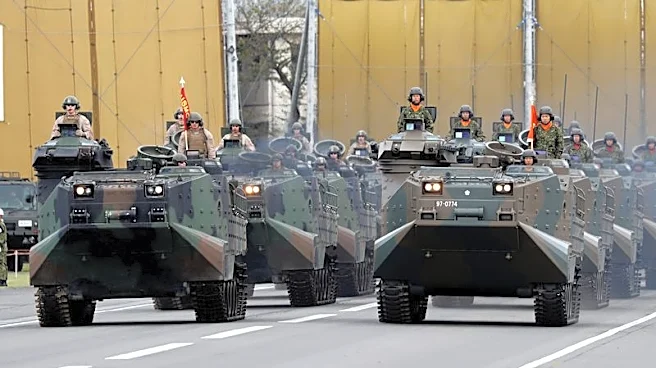
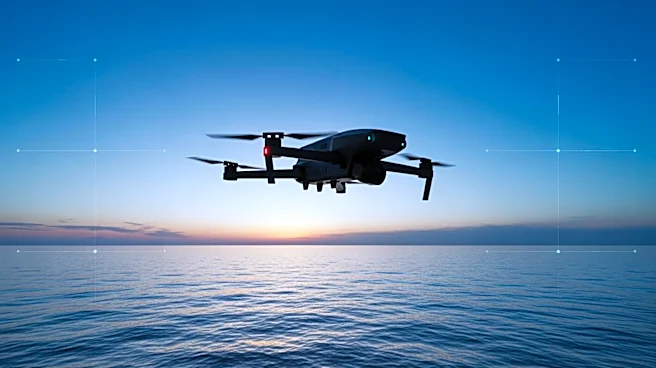
Estonia has decided to halt its planned acquisition of new infantry fighting vehicles, redirecting funds towards drones, counter-drone measures, and air-defense systems. This decision, announced by Defense Minister Hanno Pevkur, is influenced by lessons
from Russia's invasion of Ukraine. The existing fleet of CV90 vehicles will have their service life extended by at least 10 years. Estonia's approach contrasts with Latvia and Lithuania, which are acquiring new vehicles. The modernization plan includes upgrading electronics and weapon systems. Estonia's defense spending exceeds NATO's target, reflecting a strategic shift in military priorities.
Why It's Important?
This strategic shift underscores Estonia's adaptation to evolving security threats, particularly in light of regional tensions. By prioritizing drones and air defenses, Estonia aims to enhance its military capabilities against potential aerial threats. The decision reflects a broader trend among NATO countries to modernize military assets in response to geopolitical challenges. Estonia's increased defense spending highlights its commitment to national security, potentially influencing defense policies in neighboring countries. The move may also attract international defense industry players, boosting Estonia's defense sector competitiveness.
What's Next?
Estonia plans to select a foreign supplier to ramp up domestic production of 155 mm artillery ammunition. The National Defence Committee will monitor the adapted approach to ensure national security. Efforts to attract international defense industry players will be accelerated, focusing on unmanned technologies. Estonia's defense industry development over the past years has been successful, and continued competitiveness in the region is a priority. The government will adapt its spending based on threat assessments and priorities, ensuring efficient resource use.