




What's Happening?
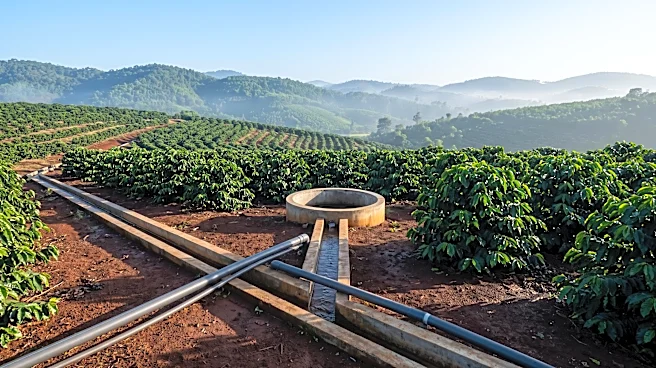
The International Water Management Institute (IWMI), in partnership with the Western Highlands Agriculture and Forestry Science Institute (WASI) and Dong A University (UDA), is implementing Managed Aquifer Recharge (MAR) interventions in Vietnam's Central
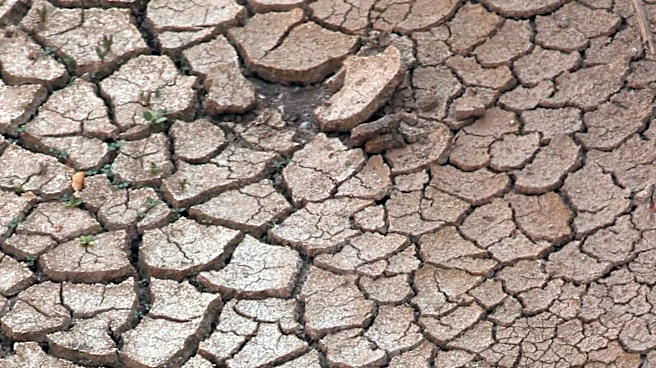
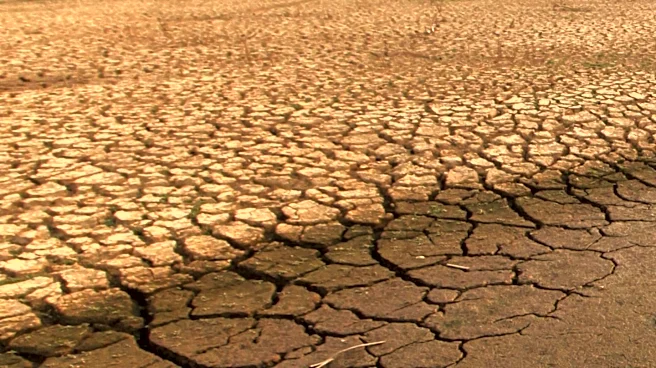
Highlands. This initiative addresses severe water shortages faced by coffee farmers, particularly ethnic minority households and women, who are disproportionately affected by intensifying drought and erratic rainfall. The Central Highlands, a region supporting over 1.4 million people and producing 90% of Vietnam's coffee, relies heavily on groundwater for irrigation. As shallow aquifers deplete, farmers are forced to drill deeper wells, a costly endeavor that many marginalized groups cannot afford. MAR is a nature-based solution that captures runoff from rooftops and fields, directing it into existing wells to replenish shallow aquifers for use during the dry season. The project is co-designing and implementing 16 new MAR interventions, including recharge systems for both domestic and agricultural wells, to alleviate the burden of water collection on women and improve crop yields.
Why It's Important?
This initiative is crucial for the sustainability of Vietnam's coffee industry, which is the world's second-largest coffee exporter and a significant contributor to the global robusta coffee market, supplying markets in Europe, the United States, and Japan. Water insecurity not only threatens the livelihoods of over 1.4 million people, including 44% women, but also exacerbates gender inequality by increasing women's unpaid labor for water collection. The depletion of water resources due to climate change and over-reliance on groundwater poses a direct threat to the region's $3 billion annual export earnings from coffee. By providing a low-cost, scalable solution like MAR, the project aims to ensure resilient coffee production, improve water security for vulnerable communities, and potentially link MAR adoption to sustainable coffee certification schemes for better farmer earnings. This approach could serve as a model for other water-stressed agricultural regions globally.
What's Next?
IWMI plans to explore linking MAR adoption to sustainable coffee certification schemes, which could provide better earnings for farmers and incentivize broader implementation. The project will also leverage public-private partnerships to co-finance the expansion of MAR interventions, aiming to establish it as a scalable, nature-based, and low-cost solution for resilient coffee production in Vietnam and beyond. Furthermore, researchers are exploring flexible financing options to make MAR accessible to socioeconomically disadvantaged households and integrating communal recharge infrastructure based on existing community practices of sharing wells. Training programs are being moved closer to communities through village-based, participatory approaches to increase women's participation and ensure the long-term success and adoption of MAR technology.
Beyond the Headlines
The project highlights the interconnectedness of climate change, water security, and social equity. The disproportionate impact of water shortages on women and ethnic minority households underscores the need for gender-sensitive and inclusive approaches in climate adaptation strategies. By focusing on both agricultural and domestic water needs, the MAR interventions address a broader spectrum of water insecurity, recognizing that household water collection often falls to women, limiting their time for income-generating activities and other productive work. The initiative also demonstrates the potential of nature-based solutions to address complex environmental challenges while promoting economic stability and social justice. The success of this project could influence policy and investment in water management strategies in other developing countries facing similar challenges, emphasizing the importance of local engagement and tailored solutions.