
What's Happening?
Rep. Pete Aguilar, alongside House Minority Leader Hakeem Jeffries and Democratic Whip Katherine Clark, has voiced concerns regarding the timing and process of an impeachment resolution against President
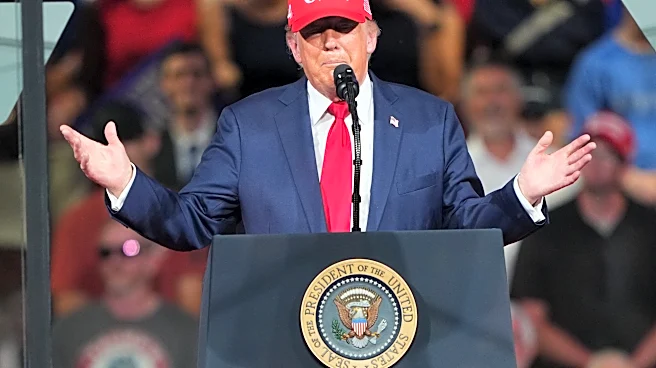
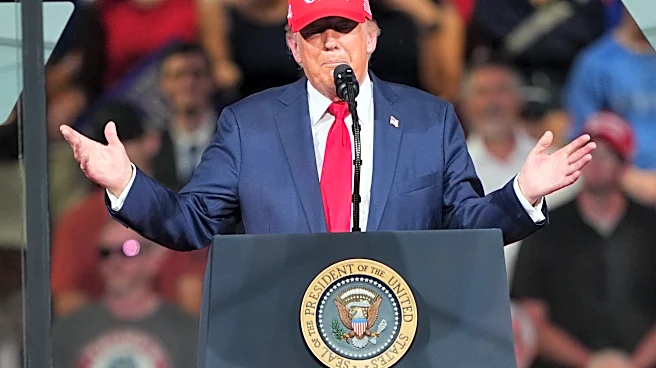
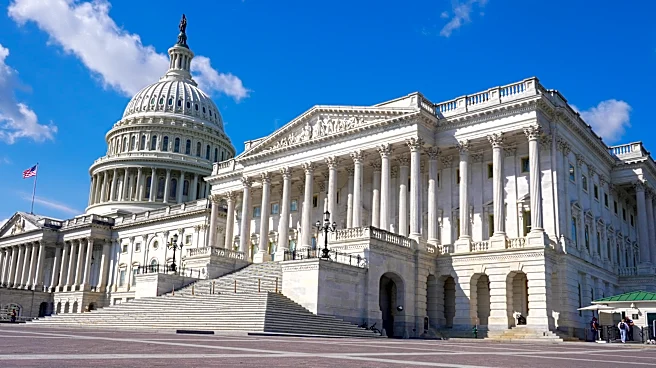
Trump. The resolution, introduced by Rep. Al Green, accused President Trump of abusing presidential power through immigration enforcement policies, citing deaths during encounters with federal agents and alleged constitutional rights violations. However, Aguilar and other Democratic leaders did not support Green's resolution, instead voting 'present.' They emphasized that impeachment is a 'sacred constitutional vehicle' that necessitates extensive investigations, hearings, and fact-finding before any action is taken. The House ultimately voted to table the impeachment resolution by a margin of 232-147, with 47 lawmakers voting present, effectively blocking the effort for the time being.
Why It's Important?
This development highlights a strategic division within the Democratic party regarding the approach to potential impeachment proceedings against President Trump. While some members, like Rep. Al Green, are pushing for immediate action based on current allegations, party leadership, including Rep. Aguilar, is advocating for a more deliberate and thorough investigative process. This cautious stance from leadership underscores a recognition of the gravity of impeachment and the need for a robust, evidence-based case to ensure its legitimacy and public support. The outcome of this vote also signals the challenges of initiating impeachment without unified party backing, especially as Democrats look ahead to upcoming midterm elections. The decision to table the resolution suggests a preference for a more strategic, long-term approach to accountability rather than an immediate, potentially divisive, impeachment attempt.
What's Next?
The immediate effort to impeach President Trump has been blocked, but the broader discussion around his accountability is likely to continue. Democratic leaders, while opposing Green's resolution, have indicated that they have not ruled out future impeachment proceedings, particularly if they regain control of the House in the upcoming November midterm elections. Rep. Jamie Raskin, a Democrat who could potentially lead the House Judiciary Committee, has stated that President Trump has 'undoubtedly' committed impeachable offenses and that impeachment remains a critical tool for constitutional self-defense. Therefore, the outcome of the midterms could significantly influence whether further impeachment efforts gain momentum, with a potential shift towards more extensive investigations and hearings if Democrats secure a majority.
Beyond the Headlines
The debate surrounding the impeachment process, as highlighted by Rep. Aguilar's stance, delves into the fundamental principles of constitutional governance and the separation of powers. The emphasis on 'extensive investigations, hearings, and fact-finding' before impeachment reflects a commitment to due process and the rule of law, aiming to prevent impeachment from being perceived as a purely political maneuver. This approach seeks to uphold the integrity of the impeachment mechanism, ensuring it is reserved for clear cases of high crimes and misdemeanors, rather than becoming a tool for partisan disputes. The differing views within the Democratic party also reveal the complex balance between political expediency and constitutional responsibility, particularly in a highly polarized political environment.