







What's Happening?
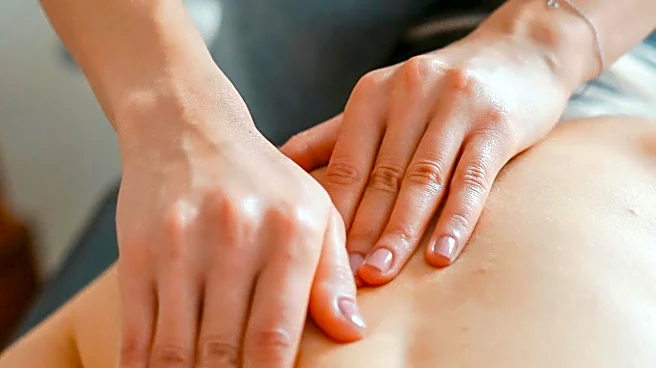
Lymphatic drainage massage is a specialized technique utilizing gentle, controlled movements to facilitate the flow of lymphatic fluid. This method, distinct from deep-tissue massage, avoids forceful pressure and intensive muscle manipulation. It is primarily
intended to assist in recovery, particularly after surgical procedures, by helping to manage swelling in the treated area. The specific technique and the area of treatment are customized based on the type of surgery performed and the patient’s individual condition. It serves as a supportive care measure and is not a substitute for comprehensive medical evaluation or follow-up care. The approach emphasizes light, rhythmic touch to encourage lymph movement and fluid regulation, making it suitable for individuals recovering from surgery, managing swelling, or seeking lower-pressure care. Medical clearance from a qualified healthcare professional is crucial before initiating this treatment.
Why It's Important?
The availability of lymphatic drainage massage as a supportive post-surgical treatment is important for patients seeking to manage swelling and discomfort. Postoperative inflammation and fluid accumulation are common, and this gentle technique offers a non-invasive option to potentially alleviate these symptoms. By aiding lymphatic fluid movement, it can contribute to a patient's overall comfort and potentially support their recovery routines when integrated into a surgeon-approved care plan. However, it is critical to understand that this massage is not a guaranteed solution for faster healing or a preventative measure against complications like fibrosis or seromas. Its role is strictly supportive, complementing prescribed medications, wound care, physical rehabilitation, and follow-up appointments, rather than replacing them. This distinction is vital for patients to have realistic expectations and prioritize their primary medical care.
What's Next?
Patients considering lymphatic drainage massage after surgery should first obtain explicit medical clearance from their surgeon. The timing and suitability of the treatment depend on various factors, including the type of surgery, the healing progress, and the absence of complications such as infection or blood clots. Once cleared, patients should communicate their postoperative instructions and any restrictions to their massage therapist. The treatment plan, including the number and frequency of sessions, should be flexible and adjusted according to the patient's recovery and the guidance of their healthcare team. It is crucial for patients to remain vigilant for any concerning postoperative symptoms, such as increased swelling, redness, warmth, or fever, and to seek immediate medical attention if these occur, rather than relying solely on massage.
Beyond the Headlines
The increasing interest in supportive therapies like lymphatic drainage massage highlights a broader trend in healthcare towards holistic recovery approaches that complement conventional medical treatments. While the technique offers potential benefits for managing post-surgical swelling, its effectiveness is highly dependent on proper medical guidance and patient-specific considerations. This underscores the ethical imperative for healthcare providers and massage therapists to ensure clear communication and adherence to medical protocols. The emphasis on gentle, non-aggressive techniques also reflects a growing understanding of the body's delicate healing processes and the potential risks associated with inappropriate interventions. This approach encourages patients to be active participants in their recovery, making informed decisions in consultation with their medical team.