






What's Happening?
A new report, "North Carolina Left Exposed: How EPA Rollbacks Are Increasing Pollution Risks and Shifting More of the Burden to North Carolina Families," released by the Environmental Protection Network (EPN), warns that North Carolinians are facing heightened
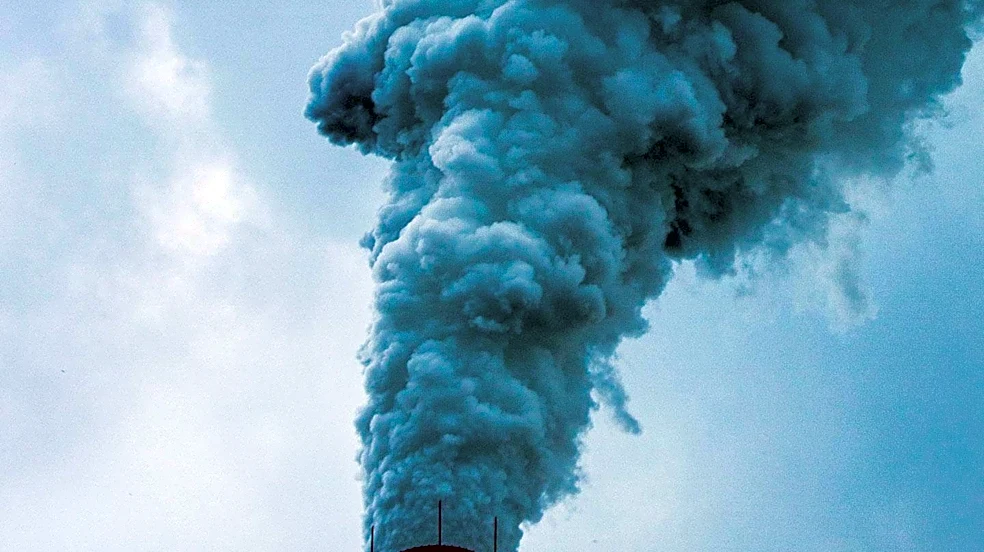
health risks. This is attributed to recent actions by the U.S. Environmental Protection Agency (EPA) that have weakened environmental protections. The report, informed by former EPA experts and North Carolina environmental organizations, details how federal rollbacks are increasing exposure to PFAS 'forever chemicals,' coal ash, pollution from animal agriculture waste, and pesticides. Specifically, the EPA is accused of delaying stronger power plant wastewater protections, proposing weaker coal ash safeguards, repealing stronger air-emission requirements, and stalling efforts to evaluate air emissions from Concentrated Animal Feeding Operations (CAFOs). These actions are said to leave more water bodies near CAFOs without federal protection under the Clean Water Act and eliminate tools used to identify highly polluted neighborhoods. The report also highlights EPA delays in restricting harmful pesticides and approving PFAS-containing pesticides on food crops.
Why It's Important?
This report is critically important as it directly links federal regulatory changes to tangible health risks for U.S. citizens, particularly in North Carolina. The weakening of EPA safeguards, as detailed in the report, could lead to increased exposure to hazardous substances like PFAS, heavy metals from coal ash, and pollutants from animal agriculture and pesticides. This has significant implications for public health, with potential increases in kidney disease, anemia, lower birth weights, cancer, respiratory illnesses, neurological harm, hormone disruption, and reproductive complications. The report also underscores an environmental justice issue, noting that many CAFOs are located near low-income communities and communities of color, disproportionately burdening these populations. Furthermore, the shift of responsibility from federal to state and local governments for environmental protection could strain state resources and leave communities more vulnerable, highlighting a critical gap in environmental governance and protection.
What's Next?
The Environmental Protection Network (EPN) and its North Carolina Action Network are launching a statewide petition. This petition urges North Carolina's congressional delegation to utilize its oversight and budget authority to ensure the EPA fulfills its mandate of protecting public health. The report calls for the EPA to restore and enforce pollution safeguards, and for Congress to provide the agency with the necessary staff and resources. Without effective federal safeguards, North Carolina families may face increased out-of-pocket expenses for bottled water, home filtration systems, private well testing, medical bills, and lost work or school days. The report's findings and the subsequent petition aim to mobilize public and political pressure to reverse the weakening of environmental protections and ensure that federal agencies prioritize public health over other considerations. The outcome of these efforts could influence future environmental policy and regulatory enforcement across the U.S.
Beyond the Headlines
The report's findings extend beyond immediate health concerns, touching upon the broader implications of regulatory rollbacks on environmental justice and the long-term health of ecosystems. By highlighting the disproportionate impact on low-income communities and communities of color, the report underscores systemic inequalities in environmental protection. The weakening of federal oversight could set a precedent for other states, potentially leading to a nationwide erosion of environmental standards and an increase in pollution-related health disparities. This situation also raises questions about the balance of power between federal and state environmental agencies and the effectiveness of current regulatory frameworks in safeguarding public health. The long-term shifts could include a greater reliance on local advocacy and legal challenges to address environmental harms, as well as increased public demand for transparent and robust environmental governance. The report implicitly calls for a re-evaluation of the economic costs of pollution versus the costs of prevention, suggesting that weakened regulations may lead to higher societal burdens in the long run.