





What's Happening?
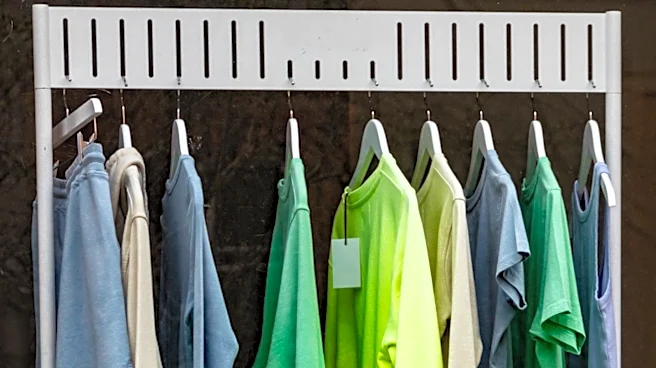
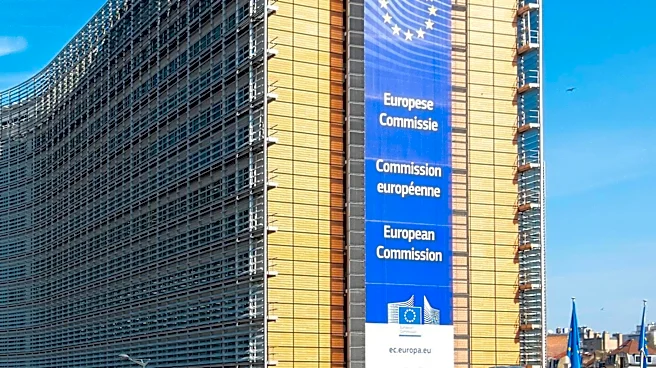
The European Union has enacted a new regulation prohibiting large companies from destroying unsold clothing, accessories, and footwear. This measure, part of the EU's Ecodesign for Sustainable Products Regulation, targets companies with over 250 employees
and annual turnovers exceeding €50 million. These firms must now explore alternative methods for handling unsold stock, such as offering discounts, entering alternative markets, or donating to charities. The regulation allows destruction only if items are unsafe, damaged, counterfeit, or rejected by charities. Companies are also required to publish annual reports on discarded goods and maintain records for five years. This initiative aims to address the significant waste generated by the fashion industry, particularly exacerbated by the rise of fast fashion and online shopping returns.
Why It's Important?
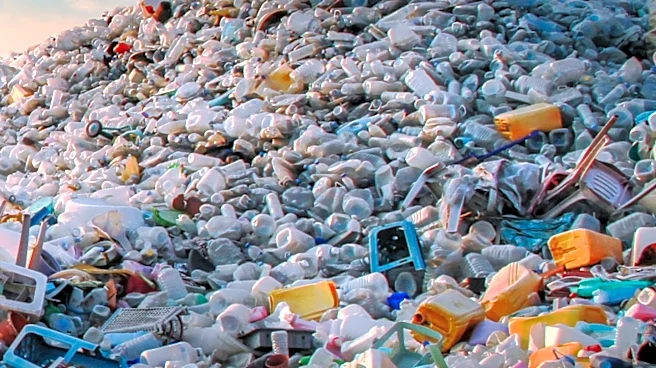
The ban on destroying unsold clothes is a significant step towards reducing environmental impact and promoting sustainability within the fashion industry. The fashion sector is a major contributor to waste, with millions of tons of clothing incinerated annually, contributing to greenhouse gas emissions. By enforcing this regulation, the EU aims to encourage a circular economy where products are reused, repaired, and recycled. This move could lead to a shift in industry practices, potentially influencing global standards. Consumers may benefit from increased availability of discounted apparel, while companies face challenges in adapting to these new requirements. The regulation reflects growing consumer and regulatory pressure for more sustainable business practices.
What's Next?
The regulation currently applies to large companies, but it is set to extend to medium-sized firms by 2030. This gradual implementation allows businesses time to adjust their operations and explore sustainable alternatives for managing unsold inventory. The fashion industry may need to innovate in logistics and product lifecycle management to comply with the new rules. Additionally, the EU's focus on sustainability could inspire similar regulations in other regions, potentially leading to a global shift in how the fashion industry handles waste. Stakeholders, including environmental groups and consumer advocates, will likely monitor the regulation's impact and push for further measures to enhance sustainability.