


What's Happening?
Iran is reportedly in negotiations to procure Chinese surface-to-ship cruise missiles, specifically the CM-302, amid heightened tensions with the United States. These discussions, as reported by Reuters, have raised alarms on Capitol Hill, although some
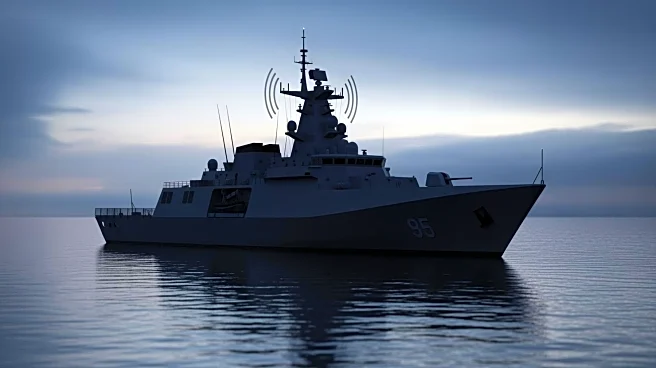
analysts suggest the deal may not significantly alter the current strategic balance. The CM-302, an export-approved version of China's YJ-12 missile, is known for its advanced capabilities, including a range of about 180 miles and the ability to evade shipboard defenses. The negotiations have been ongoing for at least two years, intensifying during recent conflicts involving Israel. Despite the potential deal, the Pentagon has declined to comment, and the Iranian and Chinese foreign ministries have not provided further details.
Why It's Important?
The potential acquisition of Chinese missiles by Iran could introduce new complexities into U.S. military planning, particularly in the Gulf region where significant U.S. naval forces are present. The deal underscores the close cooperation between China and Iran, both of which are seen as adversaries by the United States. This development could also impact U.S.-China relations, as it highlights China's role in supporting countries that challenge U.S. interests. The U.S. House select committee on the Chinese Communist Party has expressed concerns, suggesting that the deal could provide Iran with an asymmetric advantage against U.S. naval forces. The committee has called for revoking China's most-favored-nation trade status to counteract this potential threat.
What's Next?
If the missile transfer proceeds, it will require time for Iran to integrate these systems into its defense architecture, which may delay any immediate impact on the current diplomatic crisis. The ongoing indirect nuclear negotiations between Iran and the U.S. could also influence the outcome of this potential deal. Meanwhile, China has reiterated its support for resolving issues through diplomatic channels, opposing the use of force. The situation remains fluid, with potential implications for regional stability and international diplomatic relations.
Beyond the Headlines
The potential missile deal highlights the strategic use of ambiguity by China, which can serve as a form of strategic signaling to the United States. This situation also reflects broader geopolitical dynamics, where China and Iran are leveraging their relationship to challenge U.S. influence. The narrative of China as a destabilizing force is reinforced, which could affect global perceptions and diplomatic strategies. Additionally, the deal could symbolize Iran's efforts to project an image of military recovery and modernization following recent conflicts.