






What's Happening?
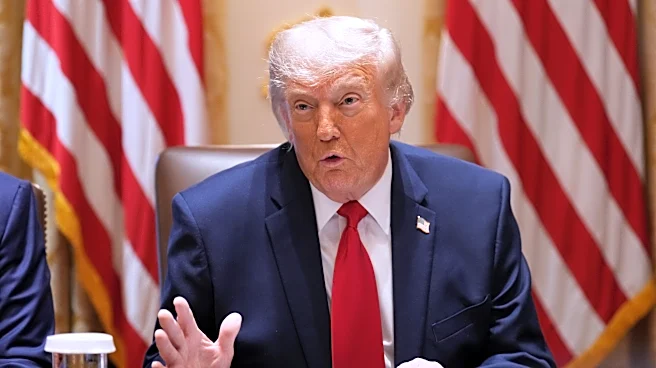
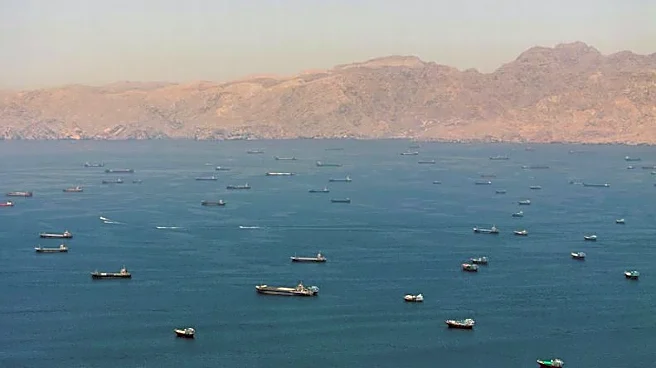
President Trump issued a waiver to the Jones Act, a century-old law mandating that only American-built, owned, and crewed vessels transport goods between U.S. ports. This waiver was intended to reduce domestic fuel prices by allowing foreign-flagged ships
to move oil and fuel between U.S. ports. Despite this, a Reuters analysis found that the waiver has had minimal impact on reducing high gasoline prices. The waiver, which represents the broadest suspension of the Jones Act in history, was aimed at facilitating fuel transport from Gulf Coast refiners to the East and West coasts. However, high international shipping rates and limited fuel volumes transported have hindered its effectiveness. National gasoline prices have risen significantly since the U.S.-Israeli conflict with Iran began, with the waiver being one of several measures taken by Trump to control fuel prices.
Why It's Important?
The waiver's limited impact on fuel prices highlights the complexities of U.S. domestic shipping regulations and their economic implications. The Jones Act, while supporting national security and the domestic maritime industry, also contributes to higher shipping costs. The waiver's failure to significantly lower prices underscores the challenges in balancing national security interests with economic efficiency. The situation affects U.S. consumers facing high fuel prices, which could influence political dynamics, especially with upcoming midterm elections. The waiver's use also signals a demand for more flexible shipping options, potentially prompting future policy discussions on the Jones Act's relevance in modern trade.
What's Next?
As international tanker rates decrease, the use of waivers may increase, potentially reshaping shipping patterns and affecting domestic tanker availability. The White House has indicated openness to extending the waiver if necessary, suggesting ongoing evaluations of its impact. Industry experts anticipate that the waiver could lead to more U.S. ships pursuing international routes, which may strain domestic shipping resources. The situation may prompt further debate on the Jones Act's role in contemporary U.S. trade policy and its economic implications.