







What's Happening?
Energy-efficient appliances, particularly Energy Star-certified dishwashers, are demonstrating substantial reductions in energy consumption and operational costs for U.S. households. Modern Energy Star dishwashers consume between 199 to 270 kWh annually,
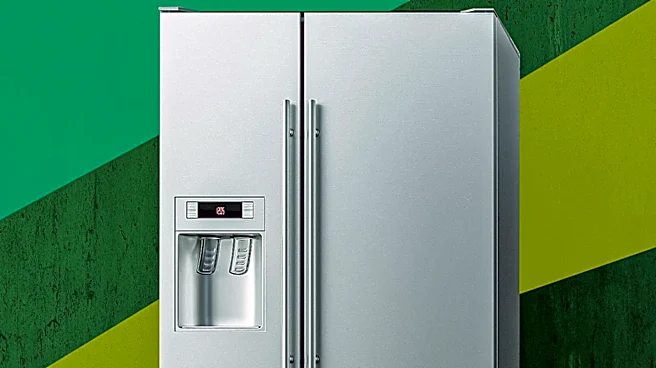
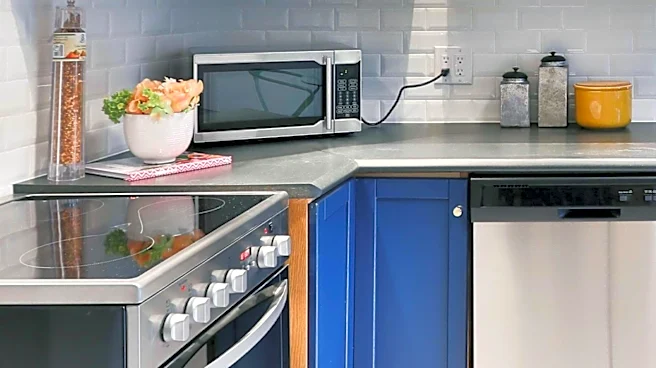
a stark contrast to older models that can use up to 800 kWh per year. This efficiency translates into tangible savings, with daily operation of an Energy Star dishwasher costing approximately $6.05 per month, making it one of the more economical daily habits in a household. The cost to run a standard Energy Star dishwasher is about $0.20 per load at the national average electricity rate of 18.34 cents per kWh. In comparison, a pre-2013 dishwasher can cost around $0.55 per load, more than double the cost. These savings are attributed to advancements in appliance technology, which optimize water heating and cycle efficiency. Furthermore, using energy-efficient appliances, alongside other smart home technologies like smart thermostats and energy-efficient lighting, contributes to broader energy savings for both residential and commercial sectors.
Why It's Important?
The widespread adoption of Energy Star-certified dishwashers and other energy-efficient appliances holds significant importance for U.S. consumers and the national energy landscape. For individual households, these appliances offer direct financial benefits through reduced electricity bills, freeing up disposable income. The cumulative effect of these savings across millions of households can contribute to a more stable and affordable cost of living. From an environmental perspective, lower energy consumption directly translates to a reduced carbon footprint, aligning with national goals for sustainability and climate change mitigation. The push for energy efficiency also stimulates innovation within the manufacturing sector, encouraging companies to develop and market more environmentally friendly products. This trend can lead to job creation in green industries and enhance the competitiveness of U.S. manufacturers in the global market. Moreover, the reduced strain on the national power grid due to lower energy demand can improve grid stability and decrease the need for new power generation infrastructure, offering long-term economic and environmental advantages.
What's Next?
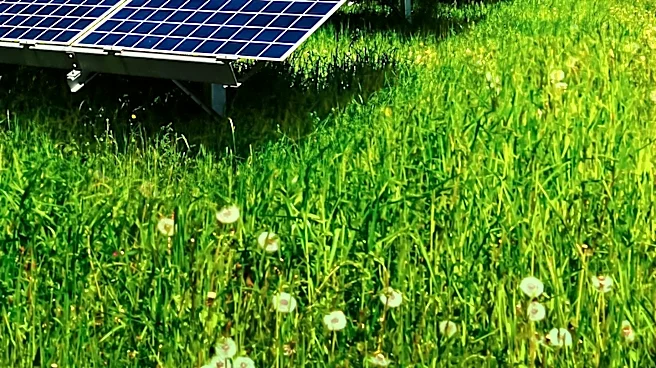
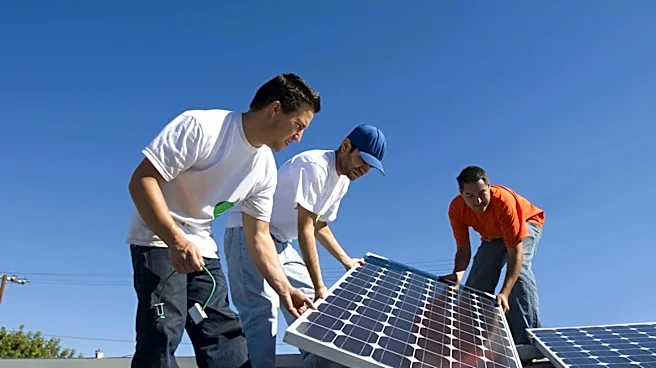
The trend towards energy-efficient appliances is expected to continue, driven by consumer demand for cost savings and environmental consciousness, as well as ongoing regulatory support for energy efficiency standards. Consumers can anticipate further technological advancements that will make appliances even more efficient and smarter, potentially integrating with home energy management systems. Utility companies may expand programs offering incentives or rebates for purchasing Energy Star products, further accelerating their adoption. There will likely be continued emphasis on educating the public about the long-term financial and environmental benefits of upgrading to energy-efficient models. Manufacturers will likely focus on developing appliances with even lower energy and water consumption, potentially incorporating features like advanced sensors and AI to optimize performance based on usage patterns. The integration of renewable energy sources, such as solar power, with home appliances could also become more prevalent, allowing households to further reduce their reliance on the grid and achieve greater energy independence.
Beyond the Headlines
Beyond the immediate financial and environmental benefits, the shift towards energy-efficient appliances like Energy Star dishwashers reflects a broader cultural and economic transformation in the U.S. It signifies a growing consumer awareness and preference for sustainable living, influencing purchasing decisions beyond initial cost. This trend also highlights the evolving role of government certifications, such as Energy Star, in guiding consumer choices and shaping market dynamics. The emphasis on energy efficiency can foster a 'green economy' where innovation, resource conservation, and environmental stewardship are central to economic growth. Furthermore, the increased adoption of these technologies can lead to a re-evaluation of infrastructure needs, potentially shifting investments from traditional energy production to smart grid technologies and renewable energy solutions. This long-term shift could redefine how energy is produced, distributed, and consumed in the U.S., promoting a more resilient and sustainable energy future.