


What's Happening?
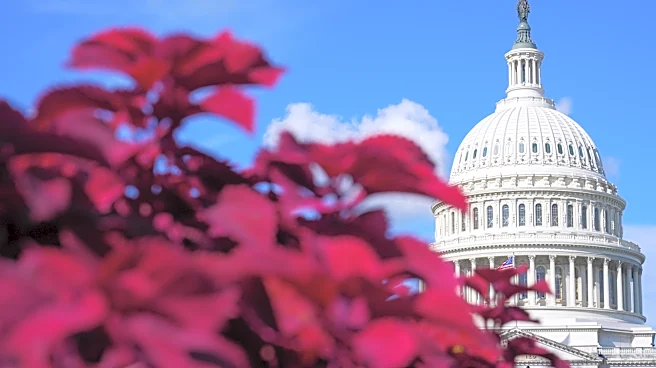
House Democrats are preparing a comprehensive oversight agenda targeting President Trump, his family, and his administration, should they gain control of the House in the upcoming November elections. This initiative spans multiple House committees, aiming
to investigate alleged corruption and abuses of power. Key areas of focus include the financial dealings of President Trump and his family, potential civil rights violations related to U.S. Immigration and Customs Enforcement operations, and the administration's handling of federal operations. Rep. Jared Huffman of California, the ranking Democrat on the Natural Resources Committee, is specifically looking into President Trump's 'vanity projects,' such as the proposed demolition of the White House's East Wing for a new ballroom and a presidential arch. Additionally, the committee plans to examine the Trump family's involvement in various minerals deals. Rep. Gregory Meeks of New York, the top Democrat on the House Foreign Affairs Committee, intends to investigate President Trump's international dealings, including Venezuela operations, military strikes on alleged drug boats, and a U.S. partnership with a private company to access Venezuela's oil.
Why It's Important?
This planned oversight is significant as it signals a potential shift in the balance of power and accountability within the U.S. government. If Democrats secure a majority in the House, they will gain increased budgets and staff, enabling them to conduct thorough investigations, issue subpoenas, and potentially challenge the administration's policies and actions. The focus on 'vanity projects' and financial dealings could raise questions about the appropriate use of public resources and potential conflicts of interest, impacting public trust in government. Investigations into Venezuela operations could influence U.S. foreign policy and international relations, particularly concerning energy resources and regional stability. The broader oversight agenda aims to address what Democrats perceive as systemic corruption, with potential legislative cures that could lead to new regulations or policy changes affecting various sectors, from immigration to corporate governance. The prospect of impeachment, though not explicitly ruled in or out for President Trump, remains a tool for accountability, potentially impacting the political landscape and future presidential administrations.
What's Next?
Should Democrats win control of the House in the November elections, they are poised to immediately launch these investigations. Ranking Democratic lawmakers, who are in line to chair committees, have already begun outlining their investigative priorities. Rep. Jared Huffman has stated his intention to call witnesses and place them under oath to follow the evidence. The White House is expected to resist these efforts, potentially ignoring subpoenas or refusing to provide requested documentation, which could lead to legal battles and further political polarization. Democrats are also looking beyond the administration to investigate potential wrongdoing by corporate and business entities. The outcome of these investigations could lead to legislative proposals, changes in administrative policies, or even impeachment proceedings against Cabinet members, as suggested by House Minority Leader Hakeem Jeffries. The political climate will likely intensify as these oversight efforts unfold, with potential implications for the 2026 presidential election and beyond.
Beyond the Headlines
The extensive oversight agenda planned by House Democrats delves into deeper implications beyond immediate political skirmishes. The focus on 'vanity projects' raises questions about the ethical boundaries of presidential power and the use of public funds for personal legacy-building. Investigations into the Trump family's financial dealings and minerals deals could highlight the intersection of private business interests and public office, potentially leading to calls for stricter ethics regulations and transparency laws. The scrutiny of Venezuela operations could expose the complexities of U.S. foreign policy, particularly regarding resource extraction and the involvement of private entities in international affairs, prompting debates on national sovereignty and corporate responsibility. Furthermore, the Democrats' commitment to 'act like the Congress' by using their oversight tools underscores a broader institutional struggle over the separation of powers and the role of legislative checks and balances in a democratic system. This could set precedents for how future administrations are held accountable, influencing the long-term relationship between the executive and legislative branches.