







What's Happening?
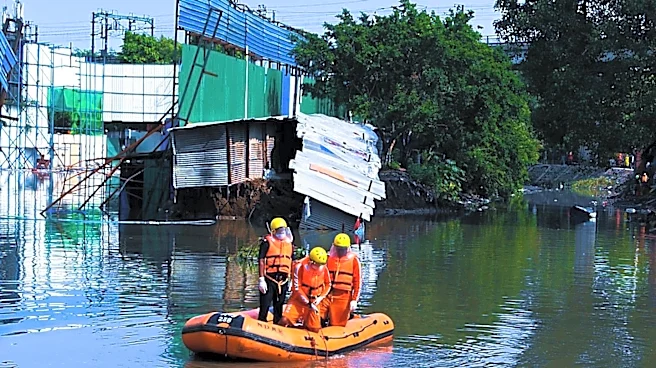
The National Disaster Management Agency (NADMA) has placed 101,901 officers and personnel from various rescue agencies on standby for the upcoming Northeast Monsoon, which is expected to run from October 27 to March 2027. More than 40,000 assets, including
2,024 four-wheel drive vehicles, 2,425 boats, and 28 aircraft, are ready for deployment. Major Wazirudin Mahfot@Mahbott, principal assistant director of NADMA's Operations Coordination Section, stated that these preparations involve extensive coordination among agencies to ensure efficient rescue operations, evacuations, and disaster management. Technical agencies like the Public Works Department and the Irrigation and Drainage Department have also prepared support assets, including heavy machinery and mobile pumps. NADMA has identified 3,045 flood hotspots nationwide, with Kelantan, Pahang, Terengganu, and Sabah having the highest numbers. Additionally, 31 landslide hotspots have been identified. The government has designated 8,321 temporary relief centers with a capacity for approximately 1.9 million people and has allocated 60,000 food kits and 170,000 retort food packs, with a significant portion already distributed to states.
Why It's Important?
The extensive preparations by NADMA are crucial for mitigating the impact of the Northeast Monsoon, which historically brings heavy rainfall and flooding to various regions. By mobilizing over 100,000 personnel and thousands of assets, the agency aims to enhance response times and effectiveness in rescue and relief efforts. This proactive approach is vital for protecting lives and property, especially in identified flood and landslide hotspots. The focus on coordination among multiple agencies ensures a unified and efficient disaster management strategy, which is essential for handling large-scale emergencies. The provision of temporary relief centers and food supplies addresses immediate humanitarian needs, preventing further suffering and displacement. The emphasis on early evacuation, particularly for vulnerable populations, highlights a shift towards preventive measures to reduce casualties and strain on rescue teams. This level of preparedness can significantly reduce the overall economic and social disruption caused by natural disasters.
What's Next?
As the Northeast Monsoon progresses from October 27 to March 2027, authorities will continue to monitor weather conditions daily, utilizing a three-tier heavy rain warning system (yellow, orange, and red) to inform the public and guide response efforts. The National Disaster Management Agency will maintain full flood preparedness, even with initial projections suggesting a lower risk of severe flooding compared to previous years. Residents in identified flood-prone and landslide-prone areas are urged to heed early evacuation warnings, especially those with vulnerable family members. The public is also advised to rely on verified information from authorities and avoid panic-buying food, as supplies are expected to be sufficient. Rescue agencies will remain on high alert, ready to deploy personnel and assets as needed, with a particular focus on areas that rarely experience floods, as these communities may be less familiar with emergency response procedures. The regional forward base concept will be utilized to deploy personnel and assets from other states to assist in heavily affected areas.
Beyond the Headlines
The comprehensive disaster preparedness plan reflects a growing understanding of the unpredictable nature of climate change and its potential to cause unexpected flooding in previously safe areas. The agency's concern for regions that rarely experience floods highlights a critical challenge in disaster management: ensuring preparedness and awareness in communities that may lack experience with such events. This situation underscores the need for continuous public education and community engagement programs to build resilience across all regions, not just historically vulnerable ones. Furthermore, the emphasis on verifying information before sharing it addresses the pervasive issue of misinformation during crises, which can hinder effective response efforts and cause unnecessary panic. The long-term implications include the potential for enhanced national resilience to climate-related disasters, fostering a culture of preparedness, and improving inter-agency cooperation, which could serve as a model for other nations facing similar environmental challenges.