What's Happening?
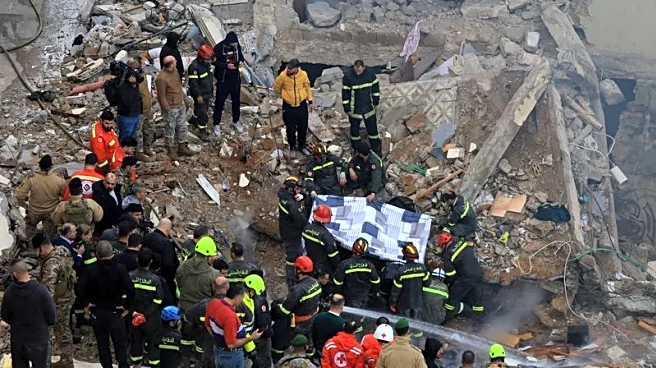
In his first Angelus address of 2026, Pope Leo emphasized the importance of peace both globally and within families. Speaking on the World Day of Peace, he urged the faithful to pray for nations embroiled
in conflict and for families suffering from violence. The Pope highlighted the lessons of the Jubilee Year, which focused on cultivating hope and converting hearts to God to transform wrongs into forgiveness and pain into consolation. He also reflected on the significance of the Solemnity of Mary, encouraging believers to look to her as an example of experiencing Christ's heart. Pope Leo concluded by inviting prayers for the intercession of Mary, Mother of God and the Church.
Why It's Important?
Pope Leo's message underscores the ongoing global challenges of conflict and domestic violence, highlighting the need for spiritual and practical efforts towards peace. His call for conversion and forgiveness resonates with broader societal needs for reconciliation and healing. The emphasis on family peace reflects the foundational role of the family unit in societal stability. By invoking the Jubilee Year and the Solemnity of Mary, the Pope connects religious observance with real-world issues, encouraging believers to integrate faith with action. This message may inspire religious communities to engage more actively in peace-building initiatives.
What's Next?
Following Pope Leo's address, religious communities may increase efforts to promote peace and reconciliation both locally and internationally. The Pope's call for prayer and conversion could lead to initiatives aimed at addressing the root causes of conflict and violence. Additionally, the focus on family peace might inspire programs supporting families affected by domestic violence. The Church's role in advocating for peace may also influence broader interfaith and international dialogues, potentially leading to collaborative efforts in conflict resolution and humanitarian aid.
Beyond the Headlines
Pope Leo's address highlights the ethical and spiritual dimensions of peace, suggesting a holistic approach that combines faith with social action. The emphasis on conversion and forgiveness points to a deeper cultural shift towards empathy and understanding. This message may encourage individuals and communities to reflect on personal and collective responsibilities in fostering peace. The invocation of Mary as a model of experiencing Christ's heart suggests a theological framework for understanding human dignity and the divine image in every person, which could influence broader discussions on human rights and social justice.