



What's Happening?
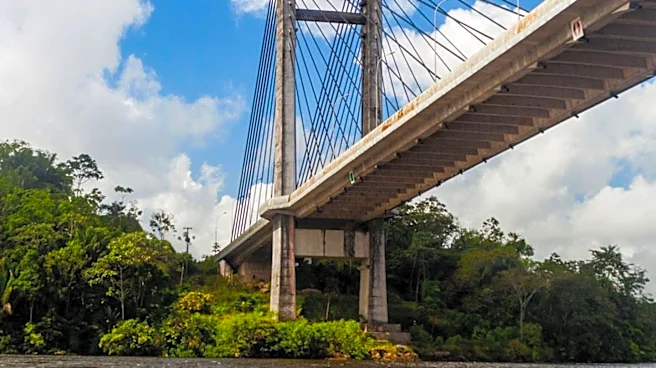
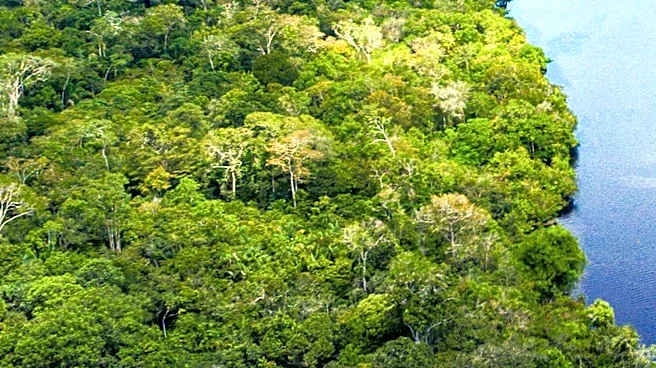
The Amazon River, the world's largest river, remains without a single bridge across its expanse. This is due to the river's passage through largely uninhabited rainforest areas where bridges are unnecessary. The logistical and engineering challenges of
constructing a bridge over the Amazon are immense, comparable to projects like the Suez or Panama Canals. The river's width varies significantly between dry and rainy seasons, complicating construction efforts. Despite past political promises, such as those by former President Bolsonaro, no concrete plans for a bridge have materialized.
Why It's Important?
The absence of bridges over the Amazon highlights the unique geographical and infrastructural challenges in the region. While other major rivers like the Mississippi and Yangtze have numerous bridges, the Amazon's environment and lack of major road or rail networks reduce the need for such infrastructure. This situation underscores the importance of considering environmental and logistical factors in infrastructure development. The discussion around building a bridge also reflects broader issues of regional development and environmental conservation.
Beyond the Headlines
The idea of constructing a bridge over the Amazon raises questions about the balance between development and environmental preservation. The potential ecological impact of such a project could be significant, affecting local biodiversity and Indigenous communities. Additionally, the financial and technical resources required for such an undertaking would be substantial, necessitating careful consideration of its feasibility and long-term benefits.