
What's Happening?
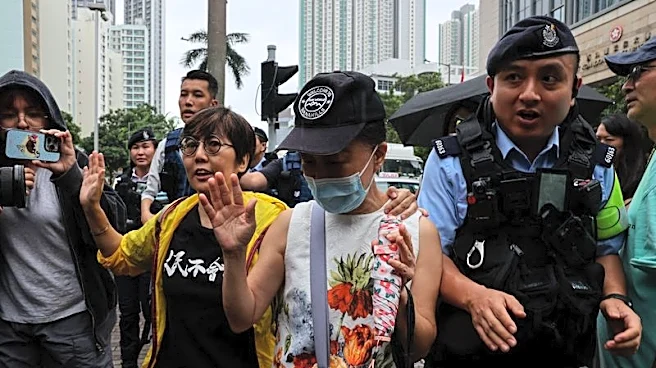
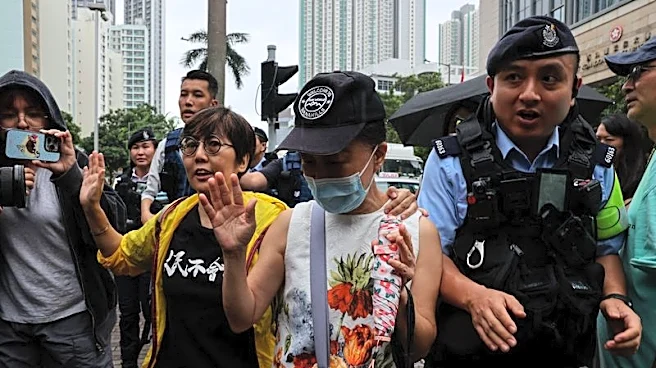
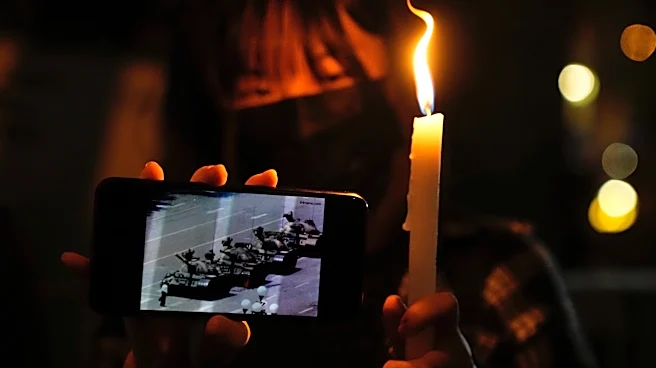
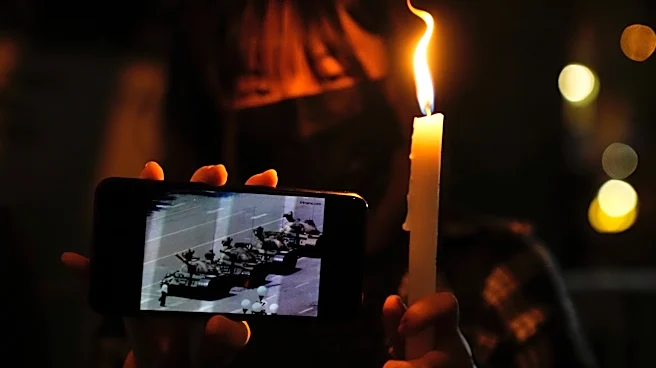
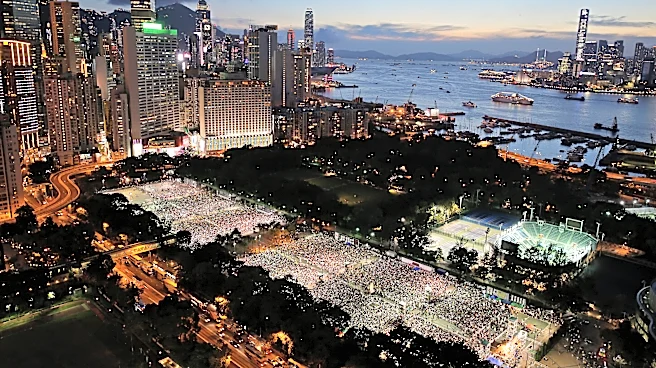
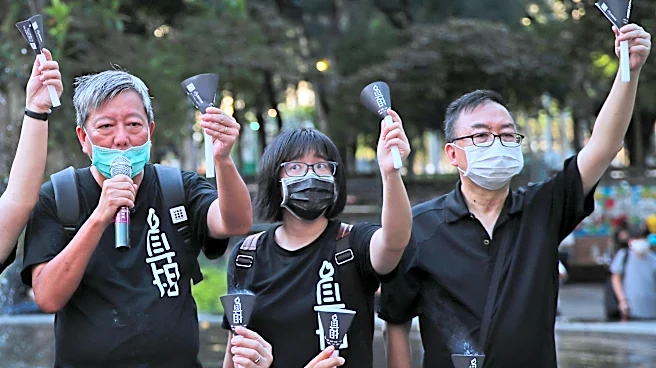
Hong Kong democracy activists Chow Hang-tung and Lee Cheuk-yan have been found guilty of 'incitement to subversion' by a Hong Kong court. This conviction stems from their roles in organizing the annual vigil marking the Tiananmen Square massacre. Chow Hang-tung,
a barrister, has been in custody since 2021, and her case is considered one of the last high-profile national security trials in Hong Kong following the imposition of Beijing's national security law in 2020. The Hong Kong Alliance in Support of Democratic Movements of China, which they were part of, was disbanded, and its annual vigil, which previously attracted tens of thousands, was banned in 2020 under the pretext of pandemic control. Both Chow and Lee pleaded not guilty, while another co-defendant, Albert Ho, submitted a guilty plea. The charge carries a maximum penalty of 10 years in jail.
Why It's Important?
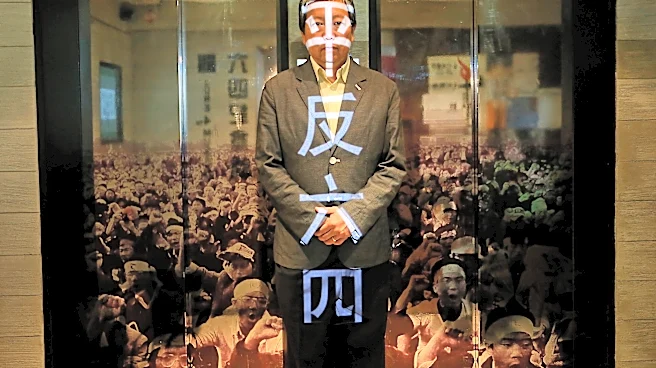
This conviction is a significant development in the ongoing suppression of pro-democracy movements in Hong Kong. The national security law, implemented in 2020, has drastically curtailed the city's freedoms, which were once a hallmark compared to mainland China. The ruling emphasizes that even peaceful use of phrases like 'end one-party dictatorship' can be deemed a breach of the national security law, indicating a broad interpretation of subversion. The case highlights the erosion of civil liberties and the increasing control exerted by Beijing over Hong Kong's political landscape. It sends a clear message to activists and the public that dissent, even in symbolic forms, will be met with severe legal repercussions, effectively dismantling the city's once-vibrant civil society and democratic aspirations.
What's Next?
Chow Hang-tung and Lee Cheuk-yan face sentencing later in the year, with a maximum penalty of 10 years in jail. Mitigation hearings are scheduled to begin later this month. The outcome of these hearings will determine the exact length of their imprisonment. The case is likely to continue to draw international attention and criticism regarding human rights and the rule of law in Hong Kong. The ongoing legal proceedings against democracy activists are expected to further solidify Beijing's control and potentially deter future acts of public dissent, as the consequences for such actions become increasingly severe under the national security law.
Beyond the Headlines
The case of Chow Hang-tung and Lee Cheuk-yan extends beyond individual convictions, symbolizing the broader struggle for freedom of expression and civil rights in Hong Kong. Chow's writings from prison, which touch on themes of personal expression and resistance against oppressive systems, highlight the psychological and ethical dimensions of living under authoritarian rule. Her background as a seismologist who transitioned to law after witnessing the aftermath of the Sichuan earthquake underscores a deep-seated commitment to justice and accountability. The curtailment of communication between prisoners and their families, as alleged by Chow's fiancé, further illustrates the tightening grip on individual liberties. This situation reflects a long-term shift in Hong Kong's identity, moving away from its historical role as a bastion of relative freedom towards a system more aligned with mainland China's political model.