


What's Happening?
Richard Murray, 62, and Carlos Mejia, 51, have been charged in Miami-Dade County in connection with an alleged kickback scheme at the Venetian Gardens condominium complex. Carlos Mejia, the property manager for Venetian Gardens, is accused of receiving
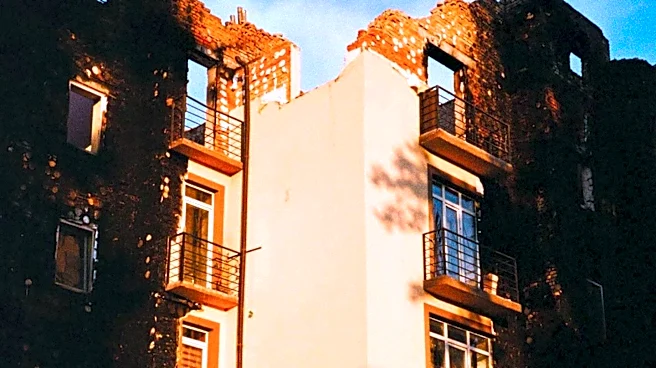
$185,000, disguised as loans, from Richard Murray, the owner of a construction company contracted to perform work at the complex in 2024. Investigators found no evidence that these 'loan' agreements involved repayment. The charges were announced by the Miami-Dade State Attorney's Office, which stated the scheme aimed to defraud condominium homeowners and three members of the board of directors at Venetian Gardens. This alleged fraud comes as residents report that the buildings are crumbling, with issues such as water leaks, falling roofs, and deteriorating walls. A special assessment was passed in 2024 to fund repairs for roofing, windows, and railings, but residents like Beatriz Mejia claim no work was ever done, despite the additional monthly payments. The investigation was initiated following a tip from a roofing contractor who lost a commission.
Why It's Important?
This case highlights significant vulnerabilities within condominium associations and the potential for fraud to directly impact the safety and financial well-being of homeowners. The alleged kickback scheme diverted funds intended for critical structural repairs, leaving residents in unsafe living conditions and facing financial burdens from special assessments that yielded no improvements. The situation at Venetian Gardens underscores a broader issue of oversight and accountability in property management and construction contracting, particularly in areas prone to aging infrastructure. For homeowners, such schemes can lead to substantial financial losses, decreased property values, and the emotional distress of living in deteriorating environments. It also raises questions about the effectiveness of current regulations designed to protect condo owners and the need for increased transparency in how association funds are managed and spent. The involvement of a construction company owner and a property manager in an alleged fraudulent scheme erodes trust in these essential service providers.
What's Next?
The legal proceedings against Richard Murray and Carlos Mejia will continue, with the Miami-Dade State Attorney's Office pursuing the charges. The outcome of this case could set a precedent for how similar instances of alleged fraud in condominium associations are handled in Florida. For the residents of Venetian Gardens, the immediate concern is securing the necessary repairs for their crumbling buildings. The arrests may bring renewed attention and potential assistance for the condo owners, who are seeking help to address the structural issues. There may be calls for increased scrutiny and regulation of condominium associations and their contractors to prevent future occurrences of such alleged schemes. Additionally, other residents in similar situations might be encouraged to report suspicious activities, potentially leading to more investigations into property management and construction practices across the region.
Beyond the Headlines
The alleged kickback scheme at Venetian Gardens exposes a deeper systemic issue concerning the governance and financial management of homeowner associations (HOAs) and condominium boards. The lack of transparency and oversight can create fertile ground for corruption, where individuals in positions of trust can exploit their roles for personal gain at the expense of residents. This incident could prompt a reevaluation of state laws and regulations governing HOAs, particularly regarding financial accountability, contractor selection, and the process for approving and overseeing special assessments. The ethical implications extend to the responsibility of property managers and contractors to act in the best interest of the residents they serve. The long-term impact could include a push for more stringent auditing requirements, mandatory independent oversight for large-scale projects, and enhanced legal protections for whistleblowers within these communities. Ultimately, this case highlights the critical need for robust governance structures to safeguard the investments and safety of condominium owners.