
What's Happening?
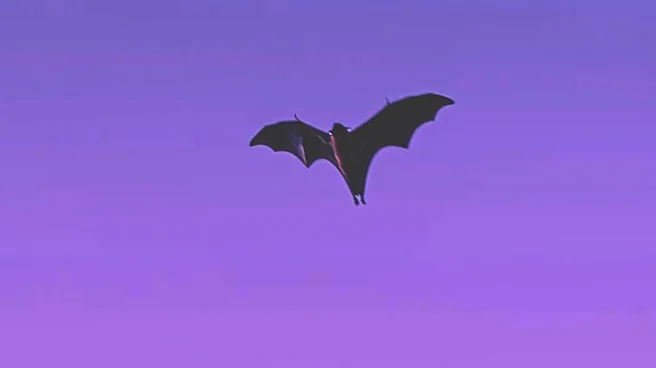
More than 50 million years ago, bats evolved the ability to fly, establishing a nocturnal niche to avoid competition with birds and the dangers of daytime skies. This evolutionary development occurred
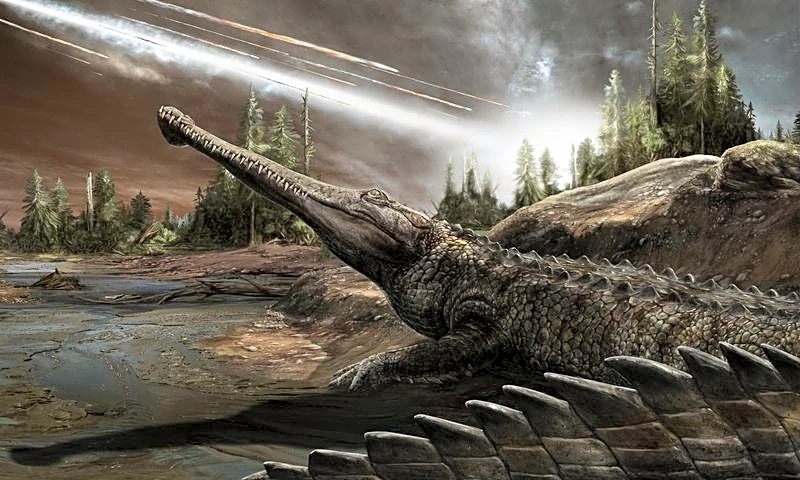
after the extinction of non-avian dinosaurs, which led to the diversification of both birds and mammals. While birds had already been flying for approximately 100 million years, bats, evolving from small, shrew-like nocturnal mammals, developed membranes between their limbs, initially for gliding, and later for powered flight. The exact transitional fossils showing how bats developed flight are not known, with the fossil record showing a sudden appearance of fully formed bats around 52 million years ago. This rapid diversification allowed bats to spread across nearly every continent, filling ecological roles in the night sky that were largely unoccupied by diurnal birds.
Why It's Important?
The evolutionary success of bats highlights a significant ecological strategy: niche partitioning, where different species utilize resources at different times to minimize competition. By becoming nocturnal, bats accessed abundant insect populations and other food sources without direct conflict with the well-established avian world. This adaptation allowed them to thrive and diversify into over 1,500 known species, making them a fifth of all mammal species. Ecologically, bats are crucial for American agriculture, saving at least $3.7 billion annually in crop damage and pesticide costs by consuming vast numbers of insects. They also serve as vital pollinators and seed dispersers, with some plants, like agave, relying solely on bats for pollination. Their role in ecosystems underscores the importance of biodiversity and the intricate balance of natural processes.
What's Next?
The continued survival and ecological contributions of bats face significant threats, mirroring many challenges faced by bird populations. Habitat loss and climate change are leading to global population declines, with at least 200 bat species currently threatened with extinction. In North America, white-nose syndrome, a fungal disease, is devastating bat populations. Efforts to protect bats often align with conservation strategies for birds, including minimizing pesticide use, planting native vegetation, and preserving roosting sites. The ongoing research into bat evolution and ecology will continue to inform conservation efforts, aiming to ensure these vital nocturnal creatures can adapt to a changing Earth, just as they have for millions of years.
Beyond the Headlines
The independent evolution of flight in bats and birds, known as convergent evolution, offers a profound insight into how different species can develop similar traits to meet environmental demands. Despite their shared ability to fly, bats and birds have distinct anatomical structures for flight; bats utilize elongated finger bones to support their wing membranes, allowing for greater agility compared to birds' fused wing bones. This difference also dictates their unique methods of taking flight and perching. The longevity of bats, with some species being among the longest-living mammals despite their small size, challenges conventional biological understanding of aging. These aspects highlight the complexity and diversity of life on Earth, providing valuable lessons in evolutionary biology, ecological resilience, and the interconnectedness of ecosystems.