
What's Happening?
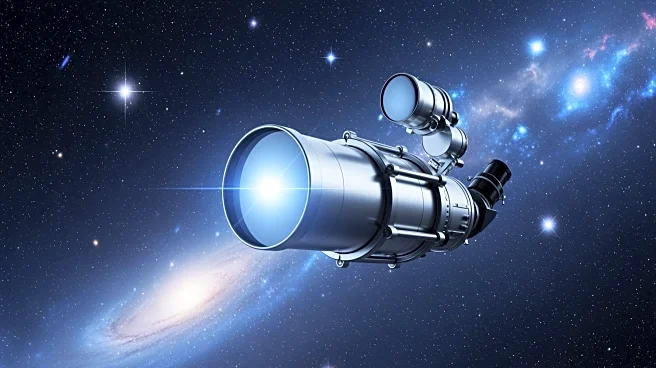
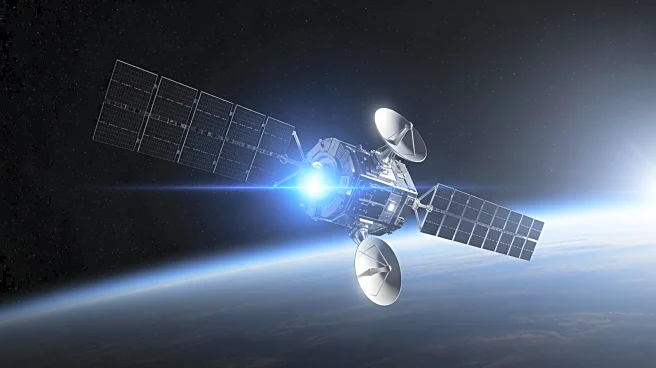
NASA's Pandora satellite, launched aboard a SpaceX Falcon 9 rocket, has successfully acquired a signal from its position in space. The satellite is part of a mission to study exoplanets by analyzing their
atmospheres and the effects of their host stars. Pandora will focus on at least 20 known exoplanets, using its instruments to separate atmospheric signals from stellar activity, thereby enhancing the understanding of these distant worlds.
Why It's Important?
The Pandora mission represents a significant step forward in exoplanet research, as it aims to provide detailed insights into the atmospheres of planets outside our solar system. By distinguishing between planetary and stellar signals, scientists can better understand the composition of exoplanet atmospheres, including the presence of clouds, hazes, and potentially water. This information is crucial for assessing the habitability of these planets and could inform future missions aimed at discovering signs of life beyond Earth.
What's Next?
Pandora will conduct long-term observations of its target exoplanet systems, collecting data over multiple sessions to ensure comprehensive analysis. The mission's findings could lead to breakthroughs in exoplanet science, influencing the design of future telescopes and observational strategies. As the mission progresses, updates and results will be shared with the scientific community and the public, contributing to the broader understanding of our universe.