






What's Happening?
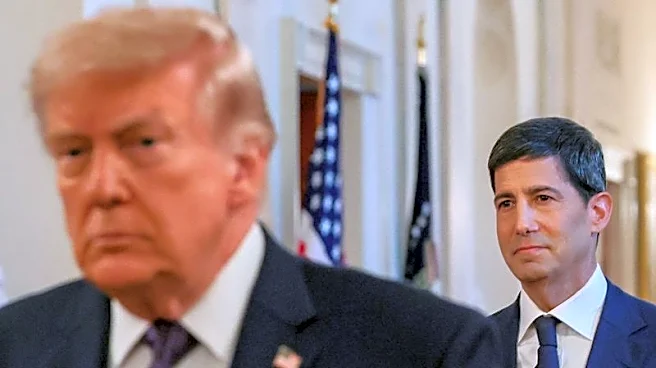
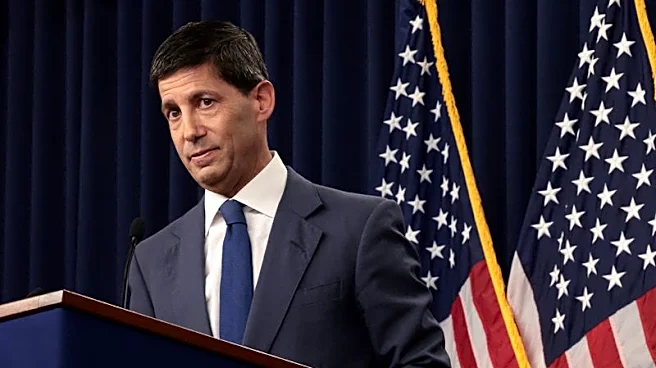
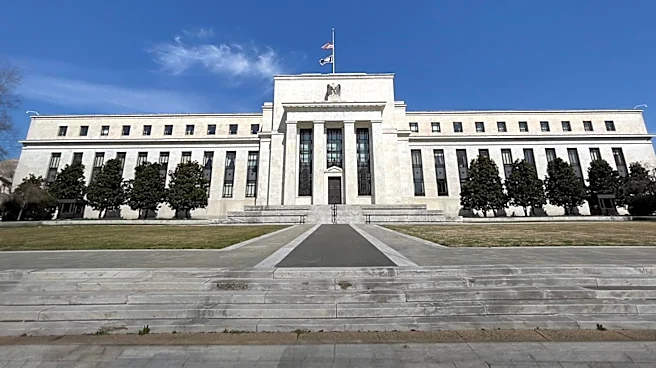
The U.S. Federal Reserve has increased its benchmark interest rate by 25 basis points, setting it between 3.75% and 4.00%. This marks the first rate hike since 2023 and was a unanimous decision by the Federal Open Market Committee. Fed Chair Kevin Warsh
stated the move was necessary to combat persistent inflation, which has remained above the Fed's 2% long-term target, with the August consumer price index at 3.4%. Economic projections indicate that 12 out of 18 Fed policymakers anticipate at least one more rate hike this year. President Trump has strongly criticized the decision, calling it a 'raise against Trump' and accusing the central bank of political motives. He reiterated his belief that interest rates are too high and has previously attempted to influence the Fed, including efforts to remove Fed Governor Lisa Cook and a criminal probe against former Fed Chair Jerome Powell. The Supreme Court blocked Trump's attempt to remove Governor Cook in 2025, though the process has reportedly been restarted.
Why It's Important?
This interest rate hike is significant as it directly defies President Trump's repeated calls for lower rates and underscores the Federal Reserve's commitment to its independence in monetary policy. The decision to raise rates aims to cool inflation, which has been a central concern for U.S. households facing high prices for groceries, housing, and energy. However, higher rates will likely increase borrowing costs for consumers on auto loans, mortgages, and credit cards, potentially impacting economic activity. The ongoing tension between the White House and the Fed highlights the critical importance of the central bank's autonomy to make data-driven decisions, free from political pressure. This independence is crucial for maintaining economic stability and investor confidence, as political interference could lead to policies that prioritize short-term gains over long-term economic health, potentially exacerbating inflation or creating other market distortions.
What's Next?
The Federal Reserve's decision suggests a continued focus on combating inflation, with most policymakers expecting further rate hikes this year. This trajectory will likely lead to increased borrowing costs across various sectors of the U.S. economy. President Trump's strong opposition indicates that political pressure on the Fed may persist, especially with the U.S. midterm elections approaching, where affordability is a key issue. The administration's ongoing efforts to remove Fed Governor Lisa Cook, despite a Supreme Court block, signal a continued challenge to the Fed's independence. Future actions from the White House, potentially including further threats regarding trade or other economic policies, could create additional uncertainty for financial markets. The Fed, under Chair Warsh, will need to navigate these political pressures while adhering to its dual mandate of maximizing employment and maintaining price stability.
Beyond the Headlines
The Federal Reserve's rate hike and the subsequent political backlash reveal deeper implications regarding the institutional independence of critical U.S. economic bodies. The attempts by President Trump to influence the Fed's decisions, including personnel changes and public criticism, challenge the long-standing principle that the central bank should operate free from partisan politics. This dynamic raises questions about the resilience of democratic institutions when faced with executive pressure. The legal battles surrounding Fed Governor Lisa Cook's position highlight the checks and balances within the U.S. system, but also expose potential vulnerabilities. The broader implication is a potential erosion of trust in the Fed's impartiality, which could have long-term consequences for its effectiveness in managing the economy. If the public and markets perceive the Fed as politically compromised, its ability to guide economic expectations and implement effective monetary policy could be significantly diminished, leading to greater economic volatility.