



What's Happening?
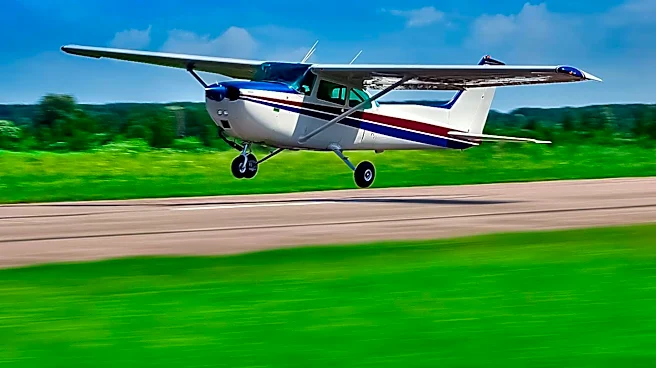
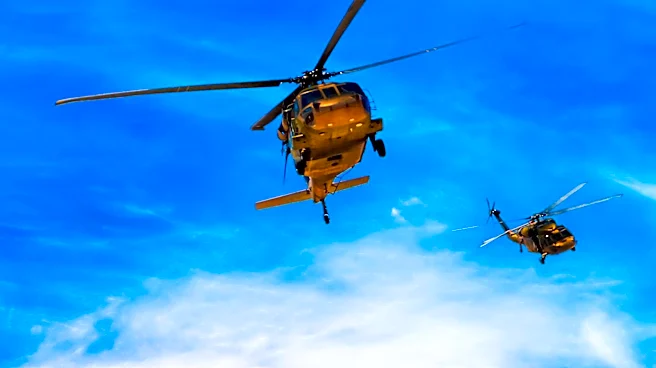
A pilot died on Wednesday following a violent collision between a small plane and a Pennsylvania State Police helicopter near a runway at a small airport in Carlisle, Pennsylvania. The incident involved a Cessna 150, a two-seat trainer aircraft, and a Bell
407 helicopter. According to Lt. Col. George Bivens, the state’s acting police commissioner, the plane veered into the helicopter near the ground. The Federal Aviation Administration (FAA) and the National Transportation Safety Board (NTSB) have classified it as a midair collision. Both state troopers aboard the helicopter survived the crash and are in stable condition, having been trapped until one managed to push out a window to escape and assist the other. Governor Josh Shapiro expressed relief that the outcome for the state police personnel was not more tragic. The crash occurred at an airport approximately 110 miles northwest of Philadelphia. The identity of the deceased pilot has not been released pending notification of next of kin.
Why It's Important?
This incident highlights the inherent risks associated with aviation, particularly in uncontrolled airspace or during training exercises. The collision between a small civilian aircraft and a state police helicopter underscores the critical need for stringent air traffic procedures and pilot vigilance, even at smaller airports. The survival of the two state troopers, who were part of an elite aviation unit performing a training exercise, is a testament to their training and the helicopter's safety features, but the fatality of the civilian pilot is a stark reminder of the potential for catastrophic outcomes. This event will likely prompt a thorough investigation by the FAA and NTSB into the circumstances leading to the collision, including communication protocols, flight paths, and any potential human or mechanical factors. The findings could lead to recommendations for enhanced safety measures at similar small airports and for general aviation training operations, potentially impacting pilot training curricula and airport operational guidelines across the nation.
What's Next?
The FAA and the NTSB have initiated investigations into the collision. These investigations will involve examining flight data, air traffic communications, wreckage analysis, and witness statements to determine the precise sequence of events and the contributing factors. The NTSB will be the lead agency in determining the probable cause of the accident. The findings from this investigation could lead to safety recommendations aimed at preventing similar incidents in the future. These recommendations might include changes to air traffic procedures at uncontrolled airports, revisions to pilot training requirements, or enhancements in aircraft safety technology. Transportation Secretary Sean Duffy has been in contact with Governor Shapiro regarding the incident, indicating a high level of attention from federal and state authorities. The aviation community will closely monitor the investigation's progress for insights that could improve safety protocols for both civilian and public service aviation.
Beyond the Headlines
The collision at Carlisle Regional Airport brings into focus the complexities of managing airspace, especially at smaller, non-towered airports where pilots rely heavily on self-announcement and visual cues. Such incidents often spark broader discussions about the adequacy of air traffic control infrastructure at regional airports and the potential benefits of increased oversight or technological solutions to enhance situational awareness for pilots. The fact that a police helicopter was involved in a training exercise also raises questions about the safety protocols for such operations, particularly when sharing airspace with general aviation traffic. This event could reignite debates about funding for air traffic control modernization and the implementation of advanced surveillance systems in areas currently lacking full radar coverage. Furthermore, the incident serves as a somber reminder of the constant risks faced by pilots, both civilian and those in public service, and the continuous need for rigorous training, adherence to safety procedures, and effective communication to mitigate these dangers.