



What's Happening?
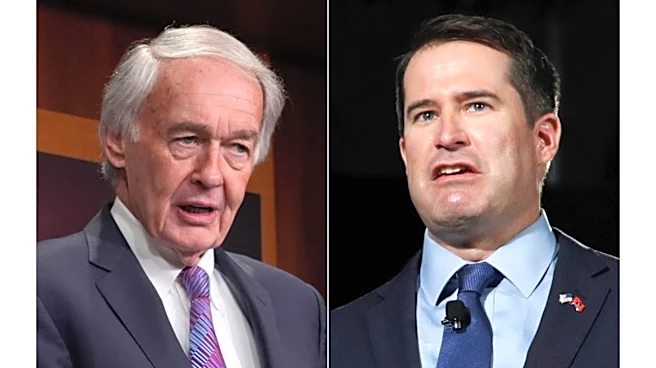
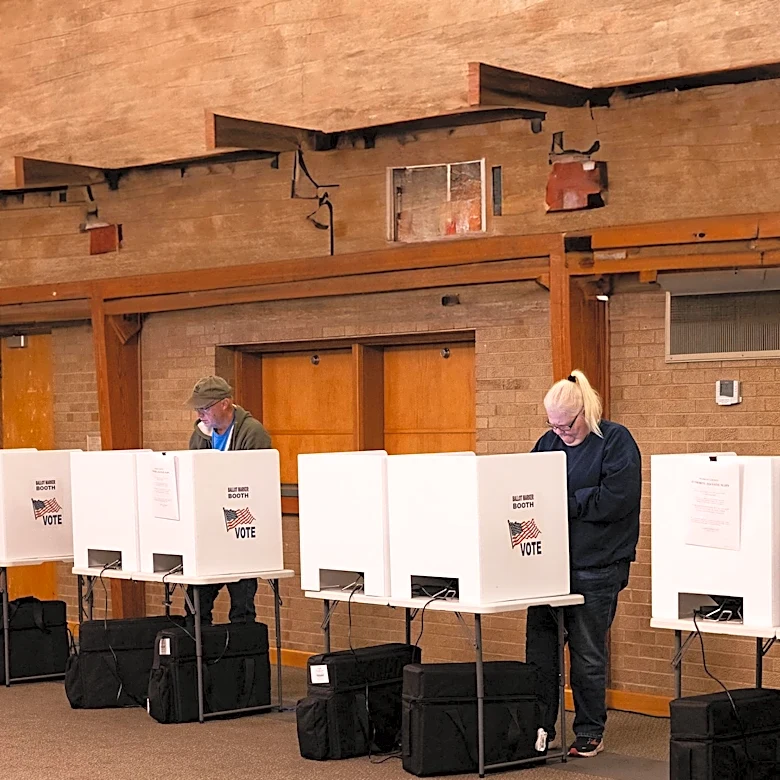
Massachusetts is holding a state primary election where Democratic voters will decide between incumbent U.S. Senator Ed Markey and challenger U.S. Representative Seth Moulton. This contest highlights a recurring theme in Democratic primaries this year:
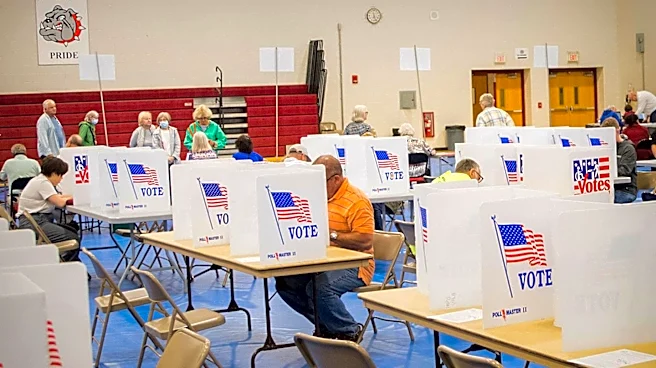
the clash between the party's progressive and moderate wings, and between long-serving incumbents and younger challengers. Senator Markey, 80, is seeking his third full term and has garnered support from prominent progressives including U.S. Senator Elizabeth Warren, U.S. Senator Bernie Sanders, and U.S. Representative Alexandria Ocasio-Cortez. Representative Moulton, 47, has received endorsements from The Boston Globe and several current and former Democratic House colleagues. The primary also includes other races for U.S. House, governor, and various state and local offices. Polls are open until 8 p.m. ET on Tuesday, September 1, 2026. Registered party members can only vote in their own party's primary, while independents can choose either primary. Approximately 5 million registered voters are in Massachusetts, with about 1.3 million Democrats and 3.3 million unenrolled voters.
Why It's Important?
This primary election is significant as it will determine the Democratic nominee for a U.S. Senate seat in a heavily Democratic state, meaning the primary winner often secures the general election. The outcome will indicate the current strength of the progressive movement within the Democratic Party in Massachusetts, especially given the high-profile endorsements for both candidates. A victory for Senator Markey would affirm the continued influence of established progressive figures, while a win for Representative Moulton could signal a shift towards a more moderate, generational change within the party. The debate over age and technological understanding, particularly concerning artificial intelligence, has become a central point of contention, reflecting broader societal discussions about leadership in an evolving technological landscape. The financial backing for both candidates, with Markey having a slight overall fundraising advantage but Moulton holding more cash-on-hand as of August 12, underscores the competitive nature of the race and the resources invested by both factions.
What's Next?
Following the primary election on Tuesday, September 1, 2026, the winning Democratic candidate will advance to the general election to contend for the U.S. Senate seat. The results will be closely watched to gauge the sentiment of Democratic voters regarding age, experience, and ideological alignment. The Associated Press will declare a winner once it is determined that no scenario would allow a trailing candidate to close the gap, though Massachusetts does not have automatic recounts unless the vote margin is not more than 0.5% of the total vote. The outcome will also set the stage for the broader midterm elections, which are 63 days away as of Tuesday. Beyond the Senate race, nominees for other U.S. House, gubernatorial, and state offices will be decided, shaping the political landscape of Massachusetts for the upcoming term. The performance of candidates in key battleground counties, such as Essex County, will be crucial in determining the overall success of each campaign.
Beyond the Headlines
The Massachusetts Democratic primary delves deeper than just a typical political contest, touching upon generational divides and the evolving role of technology in governance. Representative Moulton's campaign has explicitly raised questions about Senator Markey's age and his perceived lack of familiarity with modern technologies like artificial intelligence, suggesting that older politicians may struggle to effectively regulate new challenges. This argument resonates with some younger voters who feel that current political establishments are not adequately addressing issues like rising housing costs, student debt, and the impact of AI on the economy. Conversely, many young supporters of Senator Markey argue that his extensive experience and consistent progressive record, including co-authorship of the Green New Deal and early support for Medicare for All, are more valuable than superficial technological fluency. This debate highlights a fundamental tension within the Democratic Party: whether to prioritize long-standing progressive ideals and experience or to embrace younger leadership perceived as more attuned to contemporary issues and technological advancements. The election's outcome could influence how future campaigns address age, technological literacy, and generational representation in politics.