





What's Happening?
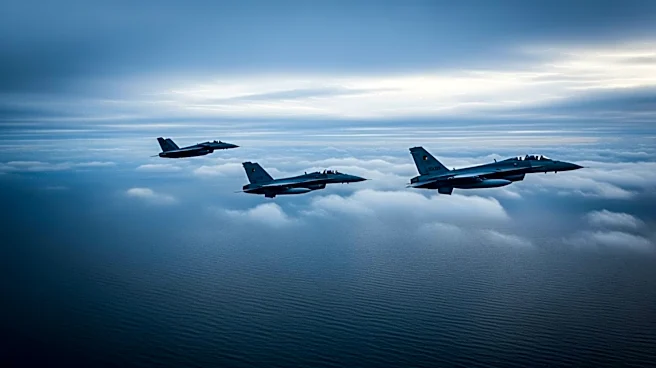
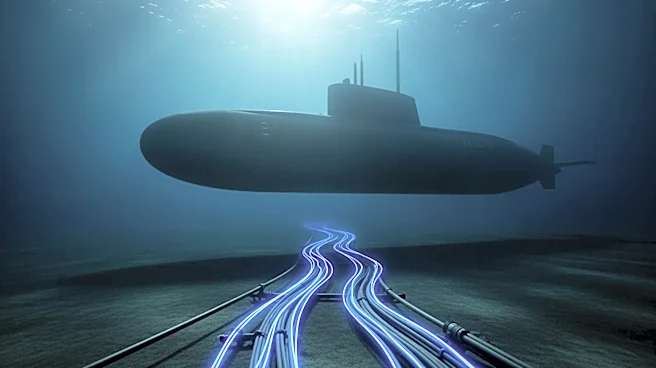
The United Kingdom has deployed military forces to deter Russian submarines from potentially attacking undersea cables in the High North maritime region. This area is crucial due to its key shipping routes and critical infrastructure. British Defense
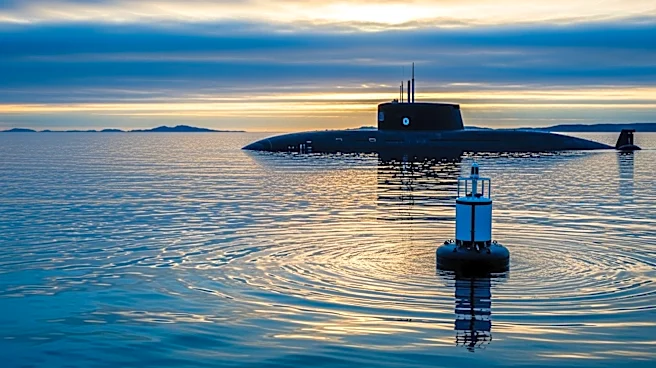
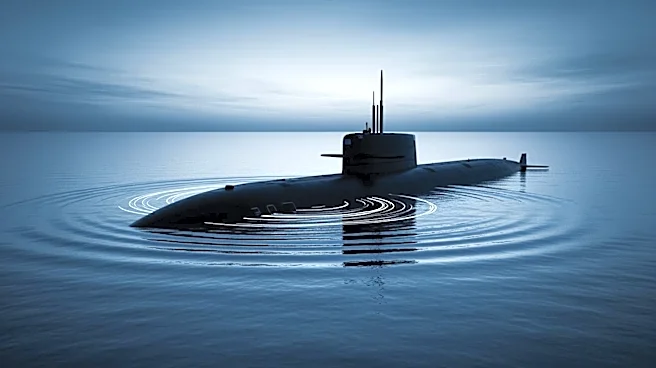
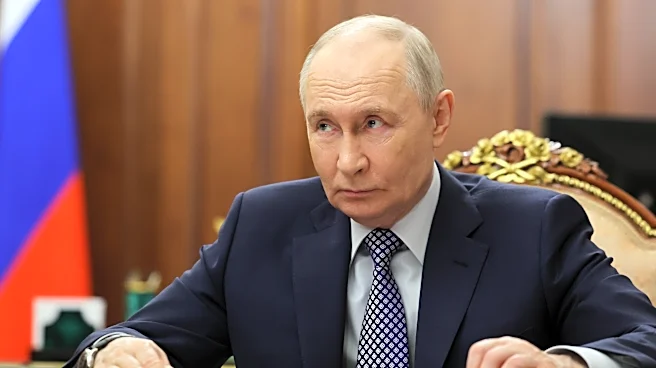
Minister John Healey announced that British and allied forces, including Norway, tracked and deterred the Russian vessels, which included an Akula-class attack submarine and two specialist submarines from Moscow’s Main Directorate for Deep Sea Research. These submarines are designed to survey and potentially sabotage underwater infrastructure. The operation was publicly revealed to demonstrate to Russian President Vladimir Putin that their activities were detected. The submarines did not enter British territorial waters but were in the Exclusive Economic Zone and the waters of British allies. No damage to the underwater infrastructure was reported.
Why It's Important?
This development underscores the ongoing geopolitical tensions between Russia and Western nations, particularly in the context of critical infrastructure security. The presence of Russian submarines near vital undersea cables highlights the potential vulnerabilities in global communication and energy networks. The UK's response, in collaboration with Norway, reflects the importance of international cooperation in safeguarding these infrastructures. The incident also emphasizes the strategic significance of the High North maritime region, which is becoming increasingly contested. The ability to detect and deter such covert operations is crucial for maintaining the integrity of national and allied security interests.
What's Next?
The UK and its allies are likely to continue monitoring the region closely to prevent future threats. This incident may lead to increased military presence and surveillance in the High North to deter similar activities. Additionally, it could prompt discussions within NATO and other international bodies about enhancing security measures for undersea infrastructure. The UK may also seek to strengthen its naval capabilities in response to criticisms about its military readiness. The broader geopolitical implications could involve diplomatic engagements with Russia to address these security concerns.
Beyond the Headlines
The incident raises questions about the legal and ethical dimensions of underwater surveillance and military operations in international waters. It also highlights the need for robust international agreements to protect critical infrastructure from sabotage. The potential for such covert operations to escalate into broader conflicts underscores the importance of diplomatic channels and conflict resolution mechanisms. Furthermore, the reliance on undersea cables for global communications and energy transmission necessitates a reevaluation of security protocols and technological advancements to safeguard these assets.