
What's Happening?
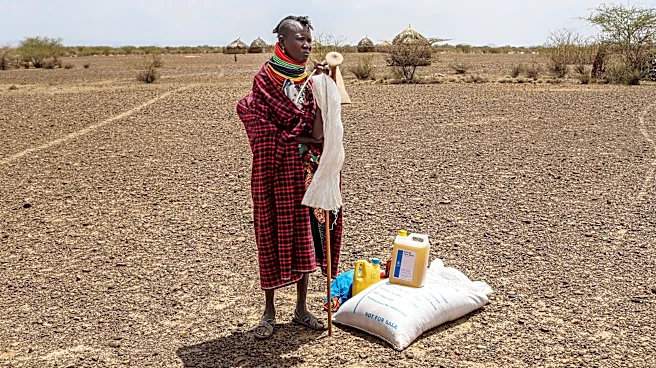
Medical supplies are currently stuck in Dubai, causing significant shortages in clinics around the world, particularly in crisis-hit regions like Yemen, Sudan, and Ethiopia. The blockage is attributed
to geopolitical tensions and logistical challenges, including the war in Iran affecting shipments through the Strait of Hormuz. Aid organizations, such as the International Rescue Committee and Save the Children, report that essential medical supplies and therapeutic foods are unable to reach areas in dire need. The situation is exacerbated by increased transportation costs due to rising oil prices, making it more expensive to deliver aid than the cost of the supplies themselves.
Why It's Important?
The disruption in the global supply chain for medical supplies has severe implications for countries with limited healthcare infrastructure. Regions already struggling with malnutrition and disease outbreaks face heightened risks as essential treatments become scarce. This crisis underscores the vulnerability of global supply chains to geopolitical events and the critical need for resilient logistics systems in humanitarian aid. The increased costs and logistical hurdles could lead to a significant humanitarian crisis, affecting millions who rely on international aid for survival.
What's Next?
Aid organizations are urgently seeking alternative routes and methods to deliver supplies, but options are limited. The international community may need to intervene to facilitate the movement of humanitarian aid through diplomatic channels. There is also a pressing need for increased funding and support to address the immediate shortages and prevent future disruptions. The situation may prompt a reevaluation of global supply chain strategies, emphasizing the importance of diversification and resilience in humanitarian logistics.