
What's Happening?
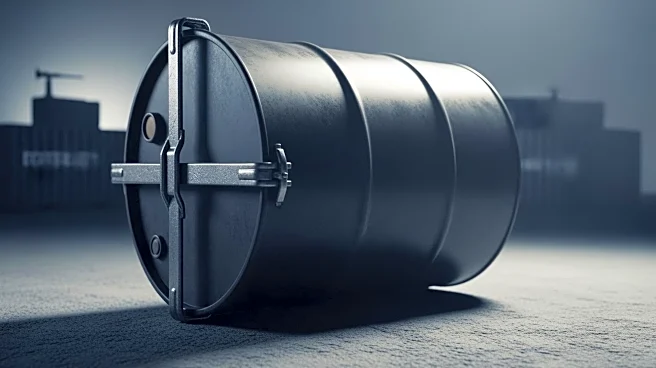
The Trump administration has directed U.S. military forces to focus on enforcing a quarantine of Venezuelan oil for the next two months. This strategy aims to intensify economic pressure on President Nicolás
Maduro's government, encouraging concessions without immediate military action. The directive follows previous U.S. actions, including strikes on alleged drug smuggling vessels and the seizure of oil tankers. The move has sparked criticism from Venezuela, other nations, and U.S. lawmakers, who argue that only Congress can authorize military action. The administration's focus on economic measures reflects a shift from potential land-based strikes.
Why It's Important?
The U.S. military's focus on enforcing an oil quarantine represents a significant escalation in the Trump administration's efforts to pressure the Venezuelan government. This strategy could have substantial economic implications for Venezuela, which relies heavily on oil exports. The move also highlights the administration's preference for economic sanctions over direct military intervention, potentially reducing immediate military conflict risks. However, it raises questions about the legality and international support for such actions, as well as the potential for increased tensions with Venezuela's allies, including Russia, Iran, and China.
What's Next?
The Trump administration is likely to continue its pressure campaign against Maduro, who remains defiant. The situation may lead to further diplomatic tensions, particularly at international forums like the U.N. Security Council. The U.S. may also face increased scrutiny from international law experts and human rights organizations. The administration's actions could prompt Venezuela to seek stronger support from its allies, potentially complicating U.S. foreign relations. The outcome of this strategy will depend on the administration's ability to maintain international support and manage domestic political challenges.