


What's Happening?
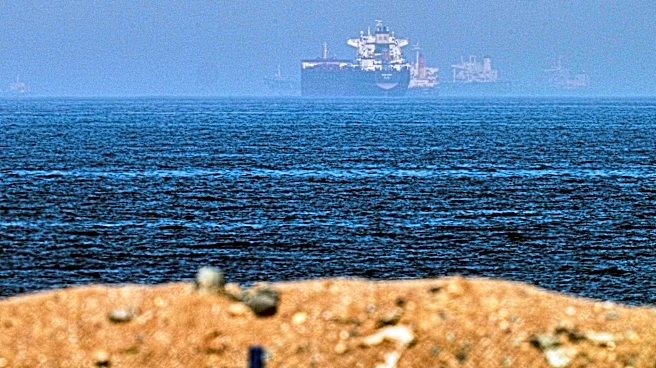
Iran's Jask oil terminal, a $2 billion project intended to diversify the country's oil export routes, has faced significant operational challenges since its premature opening in July 2021. The project aimed to reduce dependency on Kharg Island by allowing
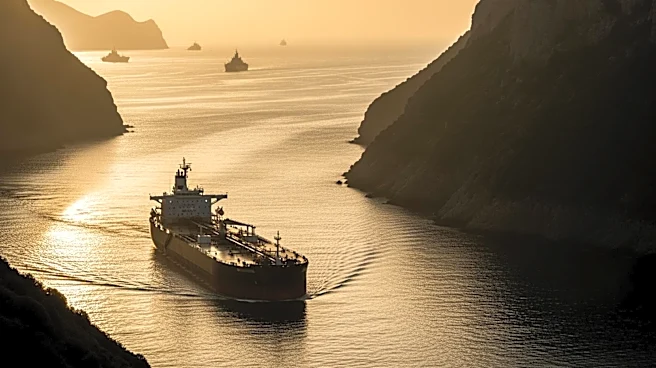
a third of Iran's crude exports to be loaded outside the Gulf, minimizing risks associated with the Strait of Hormuz. However, the terminal has struggled with incomplete infrastructure and operational inefficiencies. Only one of the three planned Single Buoy Moorings (SBMs) is operational, and it has been leaking crude. The terminal's issues have been exacerbated by geopolitical tensions and sanctions, impacting Iran's ability to effectively utilize the facility.
Why It's Important?
The operational difficulties at the Jask oil terminal highlight the challenges Iran faces in maintaining and expanding its oil export capabilities amid international sanctions and regional tensions. The terminal was intended to enhance Iran's strategic oil export infrastructure, but its underperformance underscores the risks of premature project launches and inadequate planning. The situation also affects global oil markets, as disruptions in Iran's oil exports can influence global supply and pricing. Additionally, the terminal's challenges may prompt other Gulf states to reconsider their export strategies and infrastructure investments to ensure more reliable and secure oil export routes.
What's Next?
Iran may need to invest further in infrastructure improvements and repairs to fully operationalize the Jask oil terminal. The government might also explore diplomatic avenues to alleviate sanctions and improve its export capabilities. Meanwhile, other Gulf states, such as Saudi Arabia and the UAE, are likely to continue developing alternative export routes to mitigate risks associated with the Strait of Hormuz. These developments could lead to shifts in regional oil export dynamics and influence global energy markets.