




What's Happening?
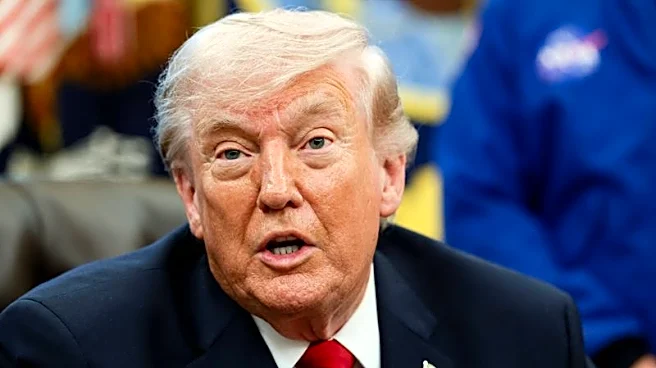
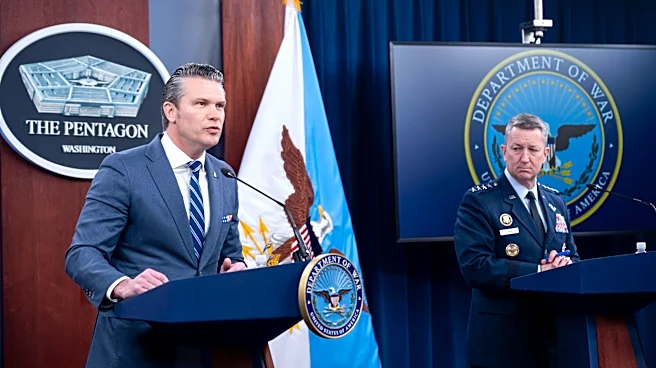
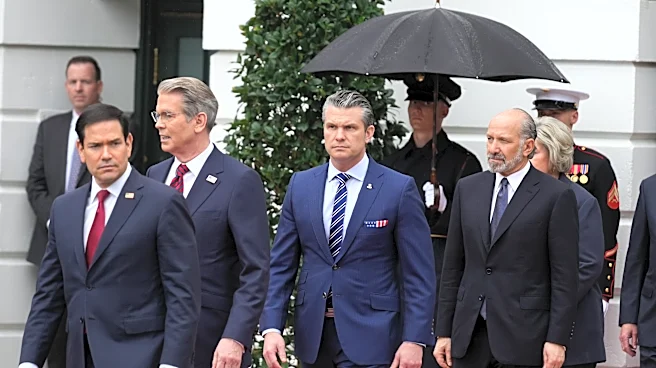
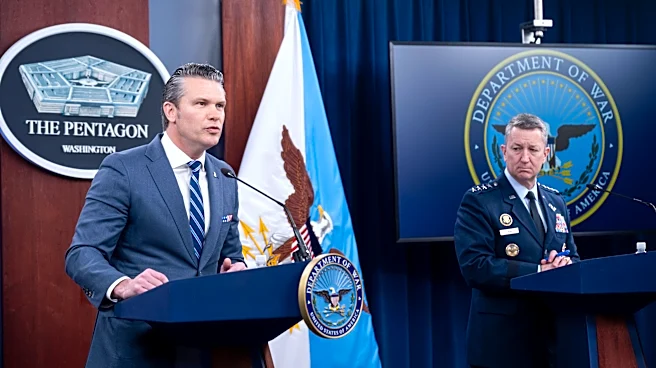
Top U.S. military officials, including Adm. Brad Cooper of U.S. Central Command, are set to brief President Trump on potential military actions against Iran. The briefing will focus on strategies to compel Iran to negotiate an end to the conflict, which
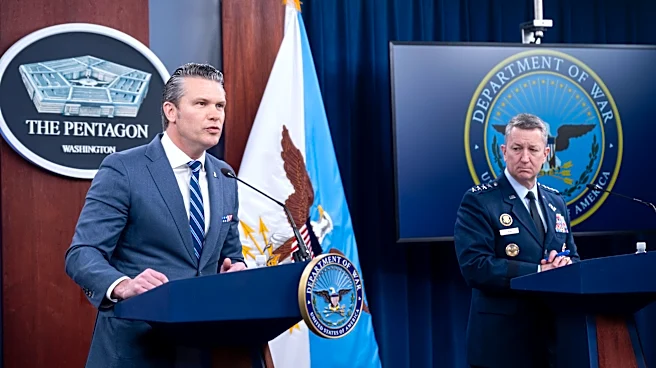
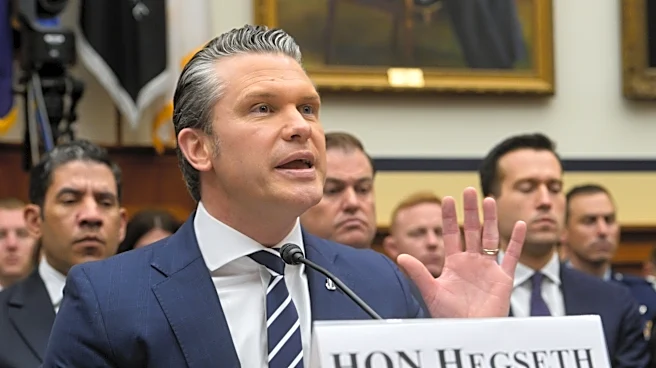
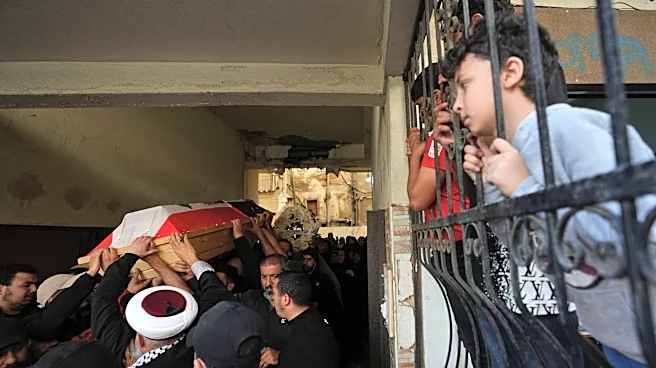
began on February 28, 2026, involving the U.S. and Israel. Defense Secretary Pete Hegseth and General Dan Caine will also participate in the briefing. Central Command has reportedly prepared plans for targeted strikes on Iranian infrastructure and strategies to reopen the Strait of Hormuz for commercial shipping. The conflict has significantly impacted global oil markets and remains unpopular domestically.
Why It's Important?
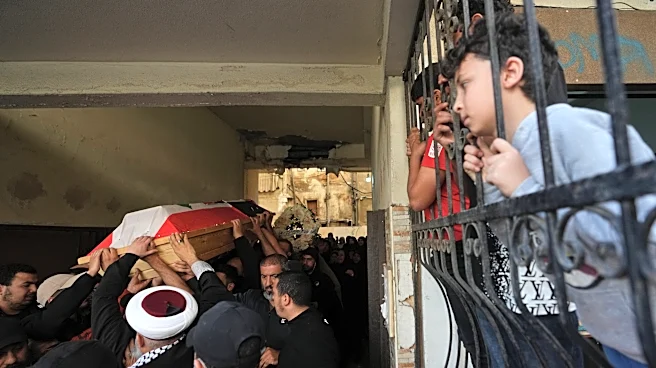
The briefing underscores the escalating tensions between the U.S. and Iran, with potential military actions being considered to resolve the conflict. The closure of the Strait of Hormuz, a critical chokepoint for global oil and gas shipments, has disrupted markets and increased energy prices, affecting the global economy. The U.S. military's involvement highlights the strategic importance of the region and the potential for broader geopolitical implications. The situation poses challenges for U.S. foreign policy and military strategy, as well as domestic political considerations given the conflict's unpopularity.
What's Next?
The outcome of the briefing and subsequent decisions by President Trump could lead to increased military engagement or diplomatic efforts to resolve the conflict. The U.S. military's readiness and strategic planning will be crucial in determining the next steps. The international community will be closely monitoring the situation, as any escalation could have significant global repercussions. The U.S. government's approach to the conflict will also influence domestic political dynamics and public opinion.