


What's Happening?
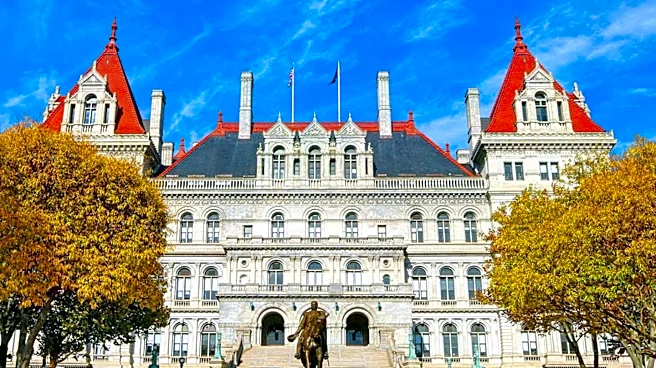
New York lawmakers are scrutinizing the distribution of state farming grants, pressing Agriculture Commissioner Richard Ball for detailed breakdowns on recipients, particularly concerning urban versus rural growers and support for Black farmers. At an Assembly
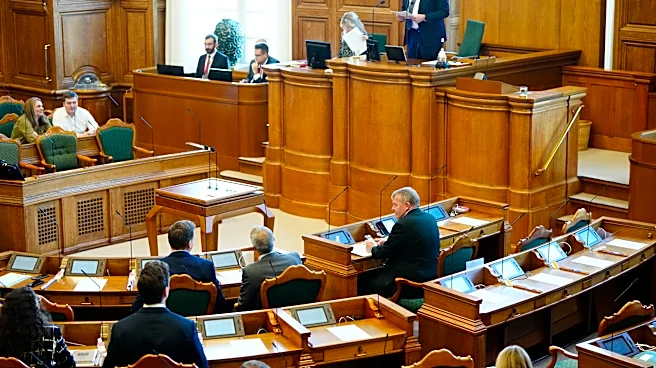
hearing in New York City, Assemblymember Khaleel Anderson, a Queens Democrat, specifically requested percentages of funds allocated to urban growers and the number of Black farmer recipients. Commissioner Ball acknowledged initial difficulties in finding qualified organizations to distribute funds to Black farmers, stating it took a year or two to get started, but noted improvements. He highlighted various state investments, including a $3 million Agriculture and Food Systems Workforce Development Grant Program, which supports urban agriculture training in locations like New York City and Niagara County. Additionally, the Urban Farms and Community Gardens Grant Program has allocated over $4 million across three funding rounds to support food production and distribution. The discussion also touched upon the potential of vertical farming in areas with high land costs.
Why It's Important?
This inquiry into farm funding distribution is crucial for ensuring equitable access to state resources and promoting agricultural development across all communities in New York. The focus on urban agriculture reflects a broader state initiative to improve access to fresh food in urban areas, which often face food deserts. Understanding how grants are allocated to urban versus rural growers, and specifically to Black farmers, can reveal potential disparities and inform future policy decisions aimed at fostering inclusivity and addressing historical inequities in the agricultural sector. The challenges in identifying qualified organizations to disburse funds to Black farmers highlight systemic barriers that may impede the effectiveness of well-intentioned programs. Furthermore, the exploration of vertical farming signifies a forward-looking approach to food security, especially in densely populated regions where traditional farming is limited, potentially influencing future agricultural innovation and investment strategies.
What's Next?
Lawmakers are expected to continue pressing for more transparent and detailed accounting of how state agricultural funds are distributed. The state's Agriculture Commissioner, Richard Ball, will likely need to provide more comprehensive data on grant recipients to address the concerns raised by Assemblymember Anderson and other legislators. The recently passed bill A10703, which directs the agriculture commissioner to study the effects of vertical farming, awaits the governor's signature. If enacted, this legislation will mandate a report within one year, including recommendations for future legislation and administrative programs related to vertical farming. This report could significantly influence future state investments and policies in controlled environment agriculture. Continued efforts will also likely focus on streamlining the process for organizations supporting underserved farming communities to access state funding, aiming to reduce the initial delays experienced in supporting Black farmers.
Beyond the Headlines
The debate over farm funding distribution in New York extends beyond mere financial allocation; it touches upon critical issues of social equity, food justice, and sustainable urban development. The emphasis on supporting Black farmers addresses historical disadvantages and systemic barriers faced by minority groups in agriculture, aiming to foster a more inclusive and equitable food system. The state's push for urban agriculture not only seeks to enhance food access but also to create green spaces, promote local economies, and build community resilience in urban environments. The challenges in disbursing funds highlight the complex interplay between policy intent and practical implementation, often requiring significant effort to bridge the gap between legislative goals and on-the-ground impact. The growing interest in vertical farming also signals a potential paradigm shift in food production, driven by technological innovation and the need for efficient, localized food sources in the face of climate change and urbanization, raising questions about the future of traditional farming and land use.