







What's Happening?
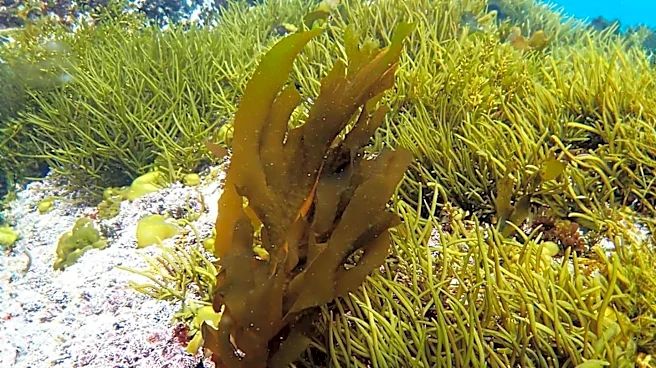
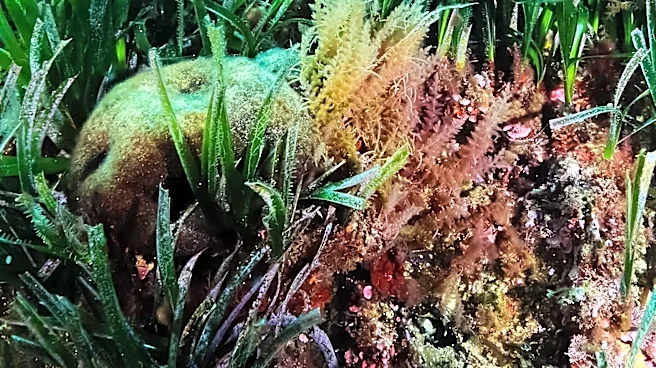
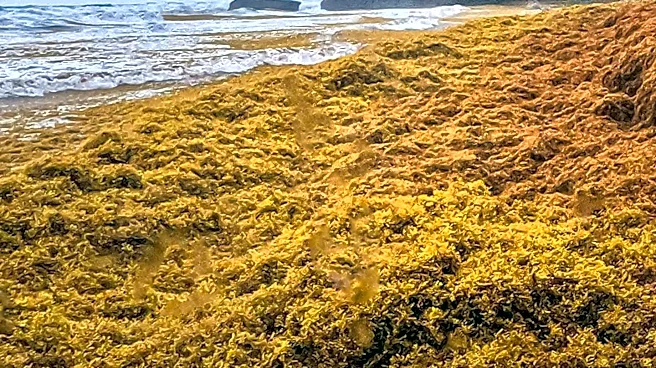
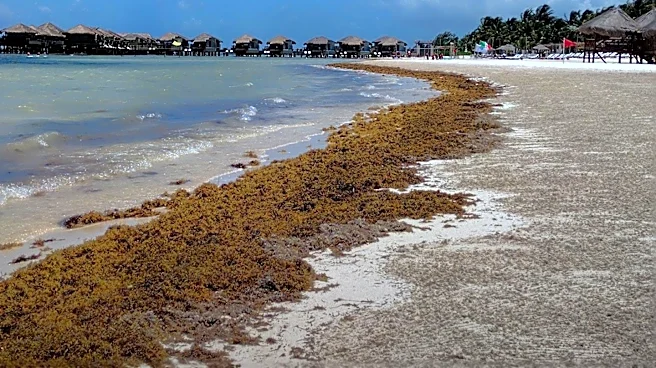
Massive seaweed blooms, particularly sargassum, are covering coastlines from the Caribbean to the Gulf of Mexico. This year marks a significant increase in the amount of seaweed, with 27 million metric tons recorded in July alone. The blooms are attributed
to factors such as agricultural runoff and climate change. The Mexican government is investing heavily to combat the issue, but the sheer volume of seaweed presents a formidable challenge. The situation is exacerbated by the foul odor and the impact on marine life, which are deterring tourists from visiting these popular destinations.
Why It's Important?
The economic implications are profound, as tourism is a major revenue source for many Caribbean and Gulf regions. The decline in tourist numbers due to the seaweed is leading to business closures and job losses, particularly in areas like Quintana Roo, Mexico. Environmentally, the seaweed affects marine ecosystems by reducing oxygen levels and blocking sunlight, which can have long-term consequences for biodiversity. The situation underscores the need for sustainable environmental practices and highlights the broader impacts of climate change on global ecosystems.
What's Next?
The ongoing seaweed issue is likely to prompt further research into its causes and potential solutions. Governments and environmental organizations may need to collaborate on international strategies to manage the blooms effectively. The tourism industry will also need to adapt, potentially by diversifying attractions or investing in cleanup efforts. The situation may lead to increased awareness and action on climate change and its environmental impacts.