


What's Happening?
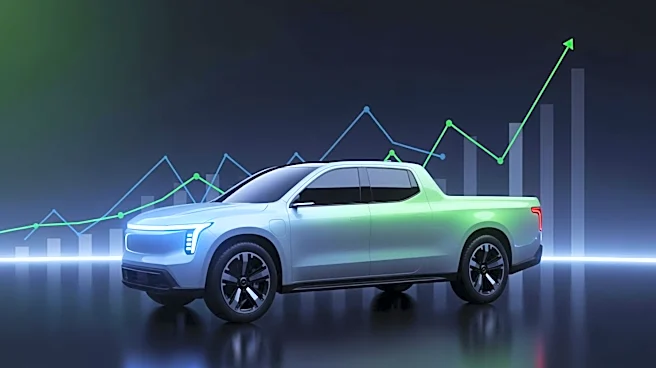
New Zealand is witnessing a significant increase in electric vehicle (EV) sales, resulting in car yards running out of stock. The sales of EVs have surged by 278% compared to March 2025, with plugin penetration reaching 26% in March 2026. This surge is attributed
to the high demand for second-hand and demo EVs, with models like the Tesla Model Y L selling out in just ten days. BYD models are also experiencing high sales, with one dealership reporting sales of 87 EVs in a month, a significant increase from the usual 20. The resale value of used EVs has also risen, with the value of a used Atto 3 increasing by $3,000 to $5,000 NZD in recent weeks.
Why It's Important?
The surge in EV sales in New Zealand highlights a growing shift towards electric mobility, driven by concerns over fuel availability and potential government regulations. This trend is significant as it indicates a move away from fossil fuels, aligning with global efforts to reduce carbon emissions. The increased demand for EVs could lead to further investments in EV infrastructure and technology, benefiting manufacturers and consumers alike. However, the rapid depletion of stock poses challenges for dealerships, which may struggle to meet the high demand. This situation underscores the need for efficient supply chain management and strategic planning to ensure a steady supply of EVs to the market.
What's Next?
Dealerships in New Zealand are expecting new shipments of EVs, with 300 cars arriving in April and another 600 in May. However, shipping challenges may arise, potentially affecting the timely delivery of these vehicles. BYD, a major player in the EV market, is committed to supporting the New Zealand market by reallocating stock from other countries if necessary. As the demand for EVs continues to grow, dealerships may need to explore alternative strategies to maintain inventory levels and meet consumer demand. Additionally, the government may consider reintroducing incentives to further boost EV adoption and support the transition to sustainable transportation.