








What's Happening?
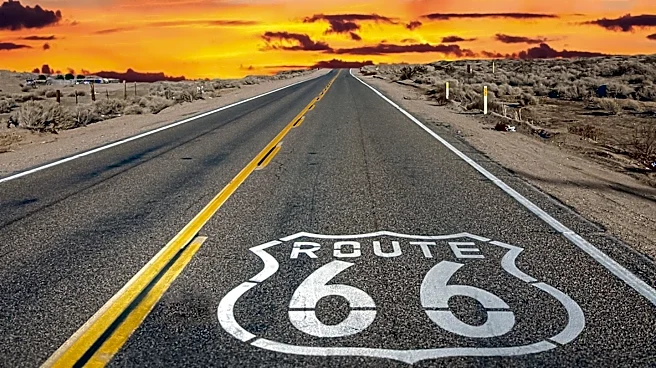
The Wigwam Motel in Holbrook, Arizona, continues to operate, offering travelers a stay in concrete teepees, thereby preserving a piece of U.S. Highway 66 history. Built in 1926, Route 66, known as 'the Mother Road,' connected Chicago to Los Angeles and
served as a vital corridor during the Great Depression and World War Two, later symbolizing freedom for post-war families. As the interstate system expanded, it gradually replaced Route 66, leading to the decline of many roadside businesses. However, the Wigwam Motel, which opened in May 1950, has managed to remain operational. The motel features 15 concrete and steel teepees, each 30 feet tall, designed in a 1950s style. The family-owned business, started by Clifton Lewis's father in 1946, closed for a period after I-40 bypassed Route 66 in the late 1970s but was reopened by the family in the 1980s. A stay in one of these teepees costs approximately $120 per night in 2026, a significant increase from the $4 to $6 charged when it first opened.
Why It's Important?
The continued operation of the Wigwam Motel is important as it represents a tangible link to a significant era of American travel and culture. Route 66 is not just a highway; it's a cultural icon, celebrated in songs and stories, embodying a sense of adventure and freedom. The motel's survival highlights the challenges faced by small, independent businesses in the wake of infrastructure development that favored efficiency over historical preservation. Its existence allows current generations to experience a piece of this history firsthand, offering a unique alternative to modern, standardized accommodations. The motel's commitment to maintaining its original character, eschewing modern amenities like flat-screen TVs and Bluetooth technology, reinforces its role as a historical artifact. This preservation effort contributes to local tourism and provides a nostalgic experience for those seeking to connect with America's past, demonstrating that historical sites can remain viable businesses despite economic pressures.
What's Next?
The Wigwam Motel is expected to continue its operation as a historical landmark along the remnants of Route 66. Its ongoing appeal to travelers, including those like Ryan Richards and Max Solomon who prioritize unique experiences over modern conveniences, suggests a sustained interest in such historical sites. The family's dedication to preserving the motel, despite acknowledging it's 'not a money maker' but stays 'above,' indicates a long-term commitment to its legacy. Future efforts might focus on continued maintenance of the vintage teepees and the display of classic cars, which are popular attractions. The motel's success could also inspire other communities along former sections of Route 66 to invest in preserving their own historical establishments, potentially leading to a resurgence of interest in the 'Mother Road' as a tourist destination. The narrative of choosing the 'fun thing' and 'mom-and-pop place' over faster, more generic options suggests a growing market for authentic, historical travel experiences.
Beyond the Headlines
The Wigwam Motel's enduring presence speaks to a broader cultural value placed on nostalgia and the preservation of American heritage. In an increasingly homogenized world, establishments like the Wigwam Motel offer a counter-narrative, emphasizing individuality and historical authenticity. The motel's survival against the tide of modern development and corporate standardization highlights a tension between progress and preservation. It also underscores the emotional connection many Americans have to symbols of their past, particularly those associated with freedom and exploration. The choice by travelers to spend more time and money to experience such a place, as noted by Richards, suggests a deeper yearning for unique, character-filled experiences that contrast with the 'white-and-gray corporate hellscape' of contemporary travel. This trend could signify a growing appreciation for local, independent businesses and the stories they tell, fostering a renewed interest in cultural tourism and the tangible links to American history.