






What's Happening?
Recent letters to the editor in the Orlando Sentinel have sparked a debate over President Donald Trump's fiscal policies and his recent speech on election integrity. Critics argue that Trump, raised with significant wealth, lacks fiscal accountability
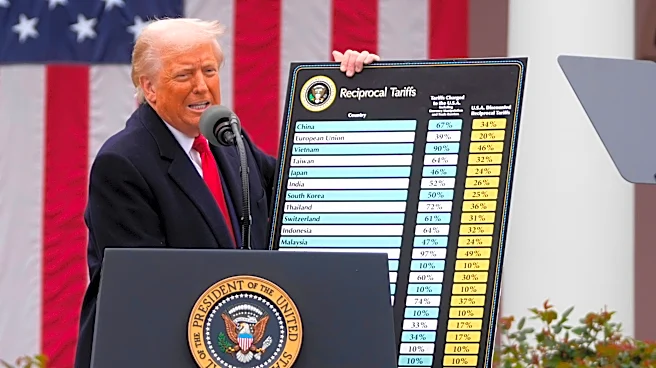
and spends taxpayer money irresponsibly on projects and personal expenses. They highlight his claims about tariffs and budget management as examples of his financial mismanagement. Conversely, some readers found value in Trump's recent speech, which focused on foreign interference in U.S. elections, particularly by China. The speech, described as less self-aggrandizing than usual, presented supporting documents and investigations, prompting calls for open-minded consideration despite partisan divides.
Why It's Important?
The discussion around President Trump's fiscal policies and election integrity speech reflects broader concerns about government spending and electoral security. Critics of Trump's financial management argue that his approach could exacerbate the national debt and divert resources from pressing domestic needs. Meanwhile, the focus on election integrity highlights ongoing debates about foreign interference and the credibility of U.S. elections. These issues are central to public discourse and could influence voter perceptions and policy priorities. The polarized responses to Trump's actions underscore the deep divisions within American society, affecting political engagement and trust in government institutions.
Beyond the Headlines
The letters to the editor reveal underlying tensions between economic priorities and political accountability. Trump's fiscal policies raise questions about the balance between personal wealth and public responsibility, while his election integrity speech touches on the complex interplay between national security and partisan politics. These discussions may prompt broader reflections on the role of wealth in political leadership and the importance of safeguarding democratic processes. As the nation grapples with these challenges, the need for informed and constructive dialogue becomes increasingly apparent, highlighting the value of diverse perspectives in shaping public policy.